

Titanium Forged Ring vs Plate-Cut Ring vs Bar-Machined Ring
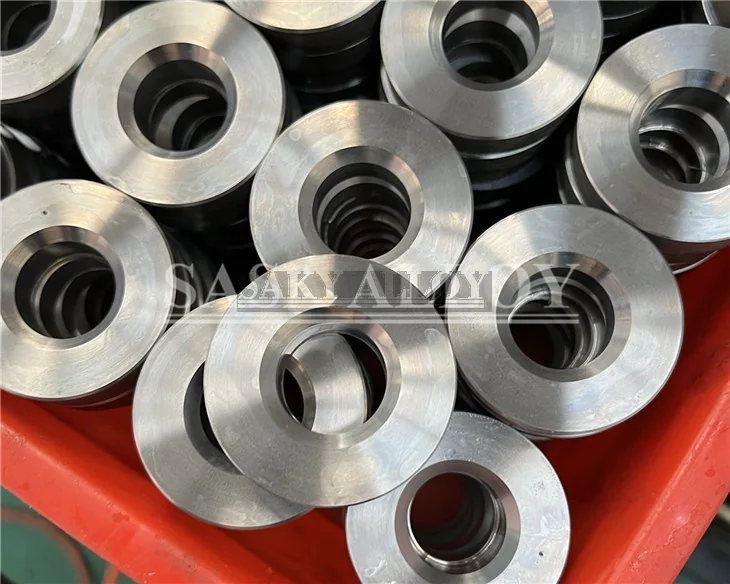
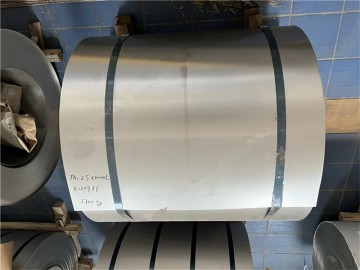
A titanium ring can start as a ring forging, a plate-cut annulus or solid bar, but these routes are not automatically interchangeable. Finished dimensions, load path, grain-flow intent, material specification, quantity, machining stock, testing and cost determine the suitable starting form.
Route Comparison
| Starting form | Potential advantage | Critical review |
|---|---|---|
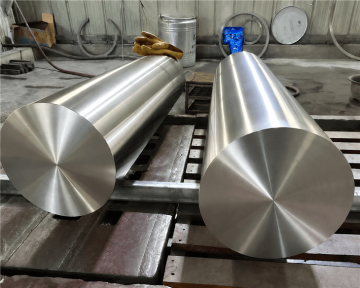
| Forged ring | Near-net annular form and controlled forging route | Forging specification, reduction, heat treatment, test location and NDT |
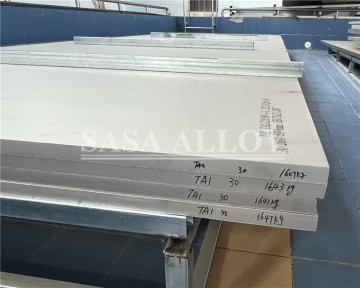
| Plate-cut ring | Efficient for some flat rings and lower quantities | Plate direction, thickness, cut edge, flatness and material waste |
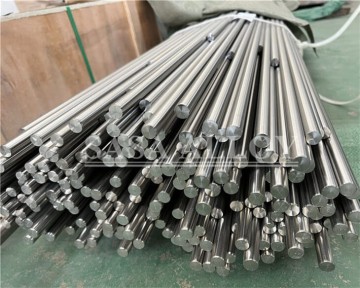
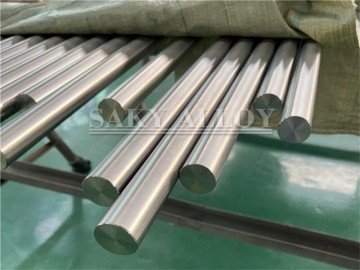
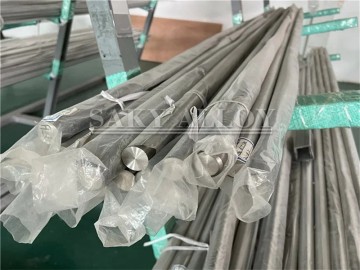
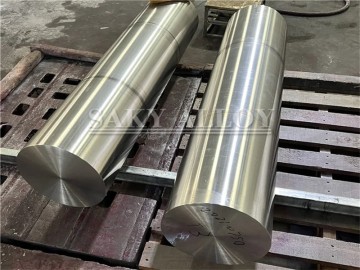
| Bar-machined ring | Simple sourcing for smaller geometry | Large material removal, bore machining and bar-property orientation |
Do Properties Follow the Finished Shape?
No. Certified properties relate to the ordered starting material, condition, specimen orientation and governing specification. A ring cut from plate is not automatically an ASTM B381 forging, and a bored bar is not a seamless rolled ring. Drawings and purchase orders should identify the approved route.
Machining Allowance
Provide finished OD, ID, thickness or height, datum, tolerance, surface finish and stock allowance. Excess stock increases cost; insufficient stock risks local cleanup failure. For rough-machined supply, define which surfaces establish the datum and how minimum stock is verified.
Inspection and Documentation
- Material grade, specification, revision and condition
- Manufacturing route and heat treatment
- Chemistry and mechanical certification
- OD, ID, height, flatness and machining allowance
- UT, PT or other NDT where required
- Heat identity, marking and traceability
Choose the Starting Form From the Finished Component
Compare ASTM B381 Titanium Forged Ring, Grade 5 Titanium Forged Disc and Titanium Machined Discs.
FAQ
Is a plate-cut ring a forging?
No. It retains the ordered plate material route and certification unless subsequently processed and qualified under a separate forging requirement.
Which route is cheapest?
There is no universal answer. Finished dimensions, quantity, grade availability, testing, material yield and machining time must be compared.
Related Reading
Forged Ring, Disc and Sleeve Selection · Forging Machining Allowance · Grade 2 vs Grade 5 Forgings