
ASTM B338 vs B861 vs B862 Titanium Tube and Pipe
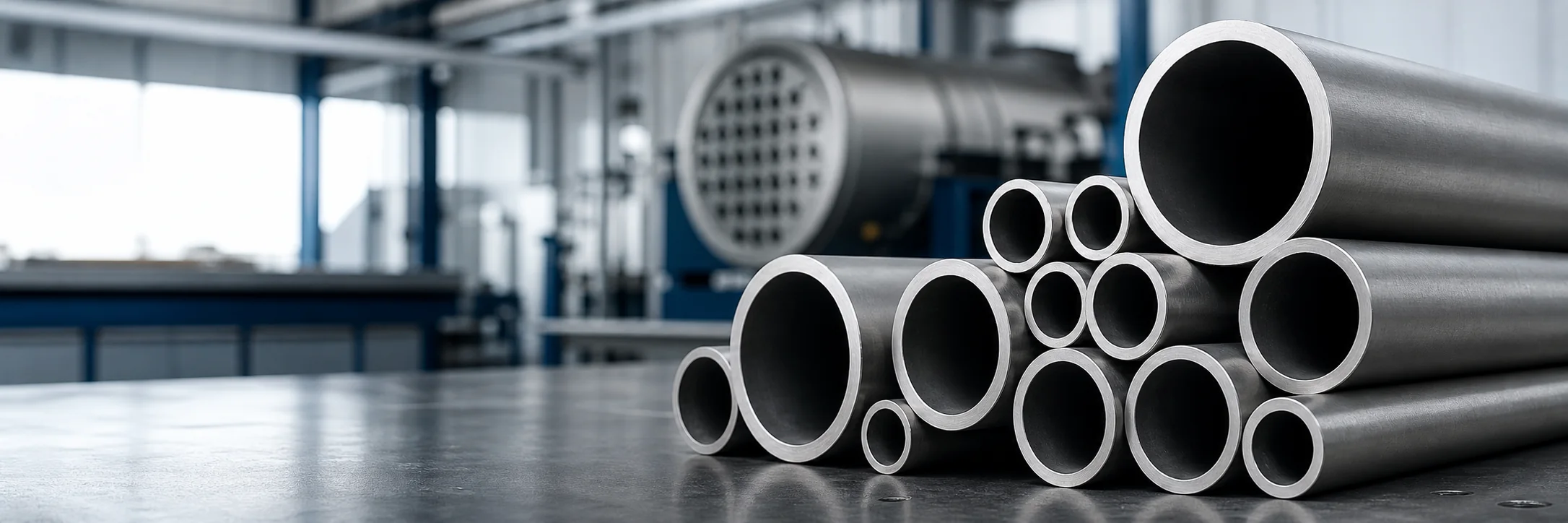
ASTM B338, ASTM B861 and ASTM B862 cover different titanium products and should not be treated as interchangeable specifications. B338 is the usual starting point for titanium tube used in condensers and heat exchangers; B861 covers seamless titanium pipe; B862 covers welded titanium pipe. The correct choice follows the equipment design, product dimensions, manufacturing route and required acceptance tests.
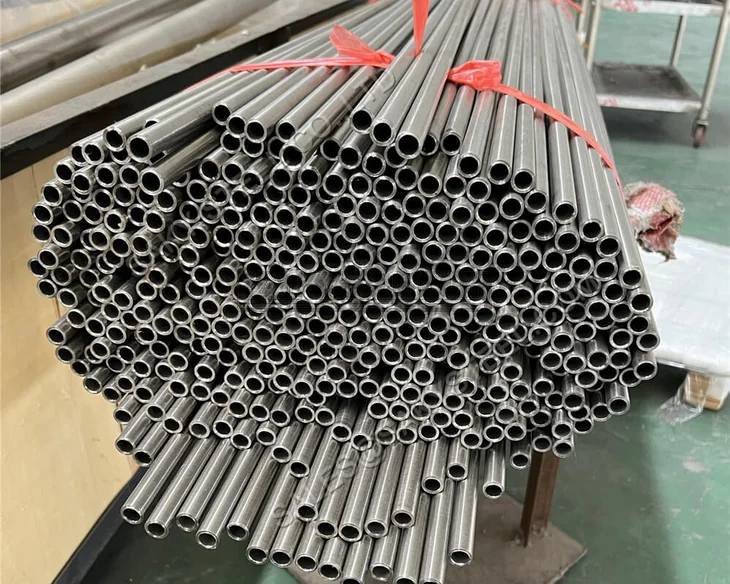
ASTM B338 vs B861 vs B862 at a Glance
| Specification | Primary product scope | Manufacturing route | Typical purchasing context |
|---|---|---|---|
| ASTM B338 | Titanium and titanium-alloy tube for surface condensers, evaporators and heat exchangers | Seamless or welded, as specified | OD-and-wall tube for heat-transfer equipment |
| ASTM B861 | Titanium and titanium-alloy seamless pipe | Seamless | Process piping specified by NPS or outside diameter and wall |
| ASTM B862 | Titanium and titanium-alloy welded pipe | Formed from flat-rolled product and welded | Welded process pipe where the design permits this route |
The table is a scope guide, not a substitute for the current standard or project specification. The purchase order should state the applicable edition and any supplementary requirements.
How to Choose the Correct Specification
Choose by function before dimensions
A tube installed in a condenser or shell-and-tube heat exchanger is normally specified from the equipment standard and tube-sheet design. A line carrying process fluid between equipment items is normally treated as pipe. Similar outside dimensions do not make the products equivalent because tolerances, test requirements and ordering conventions can differ.
Confirm seamless or welded construction
B338 can cover either route when properly ordered. B861 is specifically seamless pipe, while B862 is welded pipe. Do not infer construction from a polished surface; confirm it through the purchase specification, material certificate and manufacturing records.
Match grade to the actual environment
The product standard does not select the alloy grade. Grade 2, Grade 7, Grade 12 and other permitted grades have different corrosion and mechanical selection bases. Review fluid composition, concentration, temperature, pressure, aeration, chlorides, crevices, flow conditions, fabrication and design code before final selection.
Dimensions, Condition and End Requirements
For B338 tube, state outside diameter, wall thickness, length, tube condition, tolerances, surface and end requirements. For B861 or B862 pipe, state NPS or outside diameter, schedule or wall thickness, length, end preparation and any dimensional standard referenced by the design. Also define whether cut-to-length pieces, bevels, cleaning, marking or fabrication allowances are required.
Inspection and Documentation
Required examinations depend on the governing specification and order. They may include chemistry, tensile properties, dimensional inspection, flattening or flaring tests, hydrostatic or pneumatic testing, and eddy-current, ultrasonic or other nondestructive examination. State acceptance criteria, certificate type, heat or lot traceability, inspection witness points and third-party requirements before production.
Select the Product Route Before Requesting a Quote
Review ASTM B338 Titanium Tube, ASTM B861 Seamless Titanium Pipe and ASTM B862 Welded Titanium Pipe. The broader Titanium Pipe & Tube category shows related grades and forms.
RFQ Checklist
- Application and governing equipment or piping design code
- ASTM specification and edition, alloy grade and UNS number
- Seamless or welded route
- OD or NPS, wall or schedule, length and quantity
- Condition, tolerances, surface, ends and fabrication requirements
- Pressure or NDE requirements, certificate type and third-party inspection
- Packaging, destination and required delivery date
FAQ
Can ASTM B338 tube replace ASTM B861 pipe of a similar size?
Not automatically. The design, tolerances, testing, end use and applicable code must accept the proposed product. Obtain engineering approval before changing specifications.
Does Grade 2 material comply with all three standards?
Grade 2 chemistry alone does not establish compliance. The finished product must meet the selected specification, dimensions, condition, properties, tests and documentation.
Is welded titanium pipe always a lower-grade option?
No. It is a different manufacturing route. Suitability depends on the design specification, weld quality controls, inspection plan, dimensions and service conditions.
Related Reading
Titanium Seamless vs Welded Tube · Grade 2 vs Grade 7 Titanium Tube · Titanium Tube Applications and Selection