

Titanium Forged Bar, Shaft and Block Selection and RFQ Guide
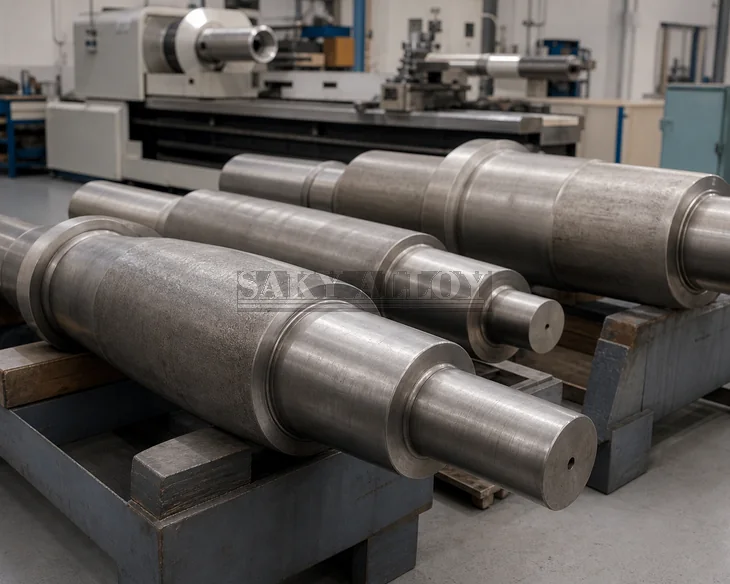
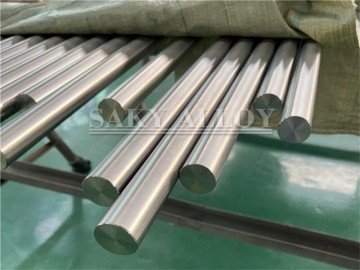
The correct titanium forging starting form follows the finished component envelope, load path, machining plan and inspection access. Forged bar suits elongated stock, a forged shaft controls stepped or axisymmetric geometry, and a forged block supports prismatic machined components.
Forged Bar vs Shaft vs Block
| Starting form | Typical geometry | Critical RFQ data | Purchasing risk |
|---|---|---|---|
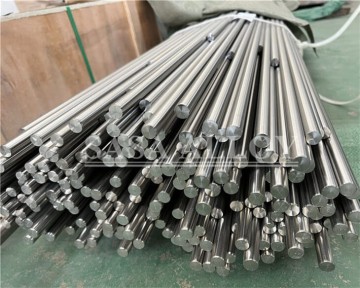
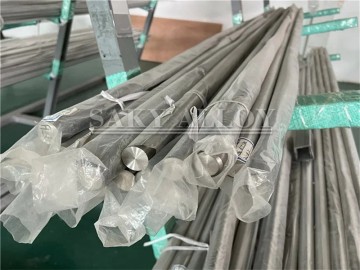
| Forged bar | Long round, square or shaped stock | Section, length, straightness, allowance and test location | Excess stock or insufficient cleanup |
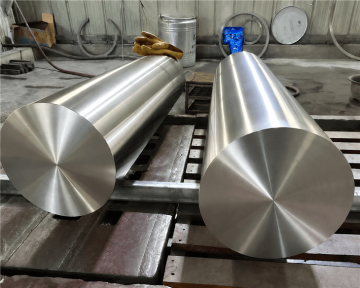
| Forged shaft | Axisymmetric part with steps, journals or ends | Finished drawing, stock envelope, datum, ends and runout allowance | Poor grain-flow or machining alignment |
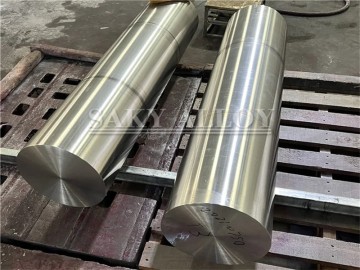
| Forged block | Rectangular or custom prismatic billet | L×W×T, grain direction, allowance, flatness and test orientation | High material removal or unsuitable test direction |
Start With the Finished Component
Provide a controlled drawing with finished dimensions, datums, tolerances, critical surfaces, bores and load direction. The supplier can then propose a forging envelope and process route. Ordering only an oversized rectangle or diameter can waste material and may not support the intended grain flow or inspection.
Machining Allowance and Cleanup
Define whether dimensions are as-forged, rough-machined or finish-machined. Allowance must cover scale, surface conditioning, distortion, heat-treatment movement and datum establishment without creating unnecessary machining. Identify areas that cannot tolerate weld repair or local blending.
Specification, Heat Treatment and Test Orientation
State alloy grade, forging specification and revision, condition and required heat treatment. Define test coupon location and longitudinal, transverse or other orientation where properties depend on section and grain flow. Do not apply plate or bar acceptance data automatically to a forging.
NDT and Documentation
Specify ultrasonic examination, penetrant testing, acceptance class, surface inspection, dimensional report, chemistry, mechanical testing, microstructure or third-party witness where required. Require heat and forging-lot traceability through heat treatment, testing and machining.
Request a Forging Route Review
Compare Titanium Forged Bar, Titanium Forged Shaft, Titanium Forged Block and Custom Titanium Forgings.
RFQ Checklist
- Finished drawing, application and load direction
- Grade, specification, revision and condition
- Forging form, stock envelope and machining allowance
- Heat treatment, test coupon location and orientation
- UT/PT, acceptance criteria, certificate and traceability
- Quantity, delivery state, packaging and schedule
FAQ
Can a forging be quoted from finished weight only?
No. Geometry, starting stock, process yield, allowance, testing and quantity determine the manufacturing scope.
Should the buyer define the forging stock size?
The buyer may set limits, but supplier review against the finished drawing can improve material utilization and cleanup reliability.
Is rough machining useful before NDT?
It can improve geometry and inspection access, but the sequence must follow the specification and quality plan.
Related Reading
Ring, Disc and Sleeve Selection · Machining Allowance · Grade 2 vs Grade 5 Forgings