
How to Specify Machining Allowance for Titanium Forgings
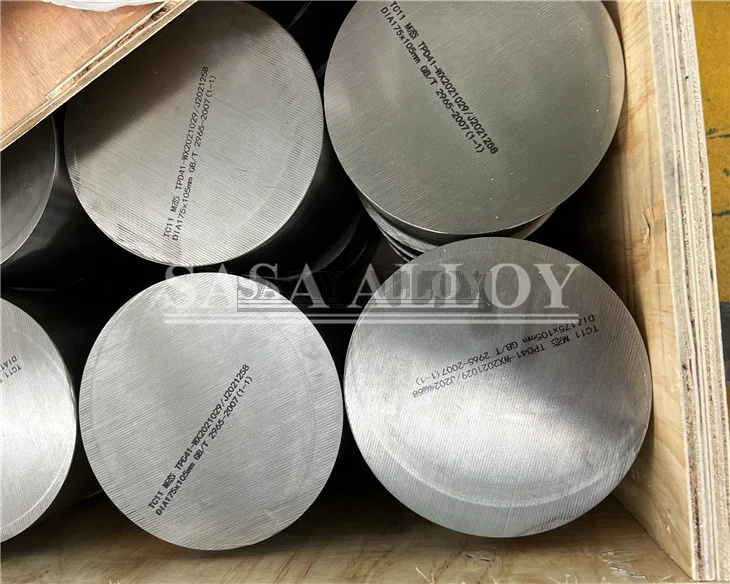
Machining allowance is the controlled stock envelope above the finished component. Too little stock can prevent complete cleanup; excessive stock increases forging mass, machining time and cost. There is no universal allowance for every titanium forging.
Allowance Input Matrix
| Input | What to define |
|---|---|
| Finished geometry | Drawing revision, datums, tolerances and surface finish |
| Forging envelope | As-forged or rough-machined OD, ID, height and stock by surface |
| Process effects | Draft, flash removal, scale, heat treatment and distortion |
| Verification | Measurement method, stock map, NDE and inspection stage |
Allowance Depends on the Manufacturing Route
Size, geometry, forging method, die/process capability, heat treatment, straightening, scale removal and final tolerance affect required stock. Purchaser and forger should agree the envelope before production rather than applying one value to every surface.
Rings, Sleeves and Discs
For rings and sleeves, control outside and inside stock, bore eccentricity, wall variation, end faces and length. For discs, define face stock, OD cleanup, flatness and datum. Nominal dimensions alone may hide a local cleanup shortage.
Inspection Sequence
State whether UT or surface examination occurs as-forged, after heat treatment, after rough machining or at final stage. Machining changes test access and volume. Require dimensions and minimum remaining stock to be reported against the agreed datum system.
Review Forging Forms
Grade 5 Forged Disc, ASTM B381 Forged Ring, Titanium Forged Sleeve and Titanium Forgings.
RFQ Checklist
- Finished drawing and approved forging route
- Grade, standard, condition and heat treatment
- Stock allowance on each controlled surface
- Datum, distortion, eccentricity and cleanup criteria
- NDE stage, reports, MTC and traceability
FAQ
Can allowance be stated only as “plus 3 mm”?
Only when the drawing clearly defines every affected surface, datum and acceptance method.
Does more allowance always reduce risk?
No. It raises mass and machining burden and can create different process risks.
Related Reading
Forging Form Selection · Ring Starting-Form Comparison · Grade 2 vs Grade 5 Forgings