

Titanium Forged Ring, Disc and Sleeve Selection Guide
A titanium forged ring, solid disc and hollow sleeve are different starting forms for machined components. Select the form from finished geometry, load path, machining stock, material utilization, forging route and inspection—not from outside diameter alone.
Forged Ring vs Disc vs Sleeve
| Form | Typical geometry | Critical RFQ data | Selection advantage |
|---|---|---|---|
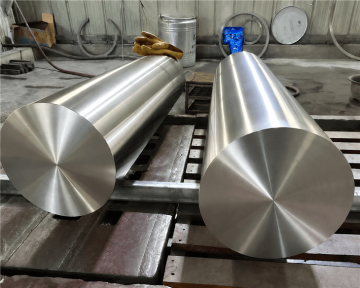
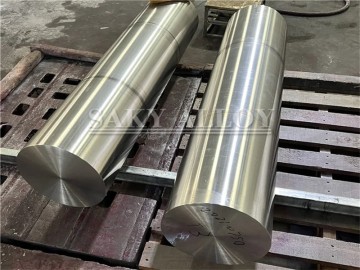
| Disc | Solid round blank or component | Diameter, thickness, allowance, faces and test direction | Simple solid geometry and central material available |
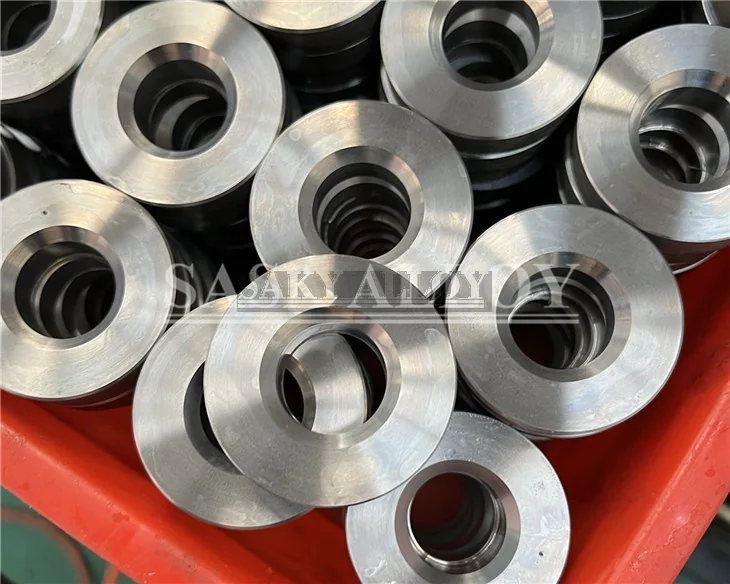
| Ring | Annular part with controlled bore | OD, ID, height, section, grain flow and NDT | Reduces removal of central material and can follow circumferential load paths |
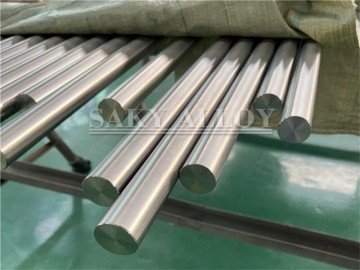
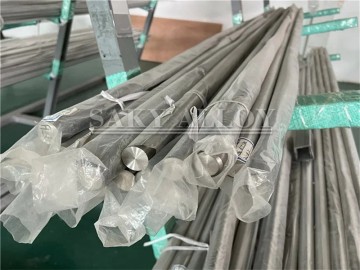
| Sleeve | Long hollow cylinder | OD, ID, wall, length, straightness and bore allowance | Efficient hollow stock for long bushings, liners and bodies |
Finished Geometry and Material Utilization
Start with the finished drawing and compare buy-to-fly or material-removal ratios. A disc machined into a large-bore ring may waste material; a near-net ring may reduce machining but requires suitable tooling, quantity and dimensional allowance. A sleeve can be efficient for long hollow parts where a ring is too short.
Grain Flow and Load Path
Where design or specification controls grain flow, communicate radial, axial or circumferential load direction and critical sections. The forging supplier should propose a route consistent with the drawing and qualification requirements. Do not assume every annular blank has the same flow simply because it is called a ring.
Allowance, Heat Treatment and Distortion
Provide as-forged, rough-machined or finish dimensions and minimum cleanup. Allow for scale removal, surface conditioning, heat-treatment movement and datum creation. Long sleeves may need straightness and bore alignment controls; thin rings and discs may need distortion allowance.
Inspection and Test Location
State ultrasonic and penetrant examination, acceptance class, dimensional inspection, surface condition and certificate requirements. Define test coupon position and orientation. Material certification alone does not include every NDT method or guarantee that testing represents the critical section.
Select the Starting Form
Compare Grade 5 Titanium Forged Disc, ASTM B381 Titanium Forged Ring, Titanium Forged Sleeve and the Titanium Forgings family.
RFQ Checklist
- Finished drawing, load path and critical sections
- Grade, specification, condition and quantity
- Selected form, stock dimensions and machining allowance
- Heat treatment, test location and orientation
- NDT, dimensions, certificate and traceability
FAQ
Is a forged ring always cheaper than a disc?
No. Tooling, quantity, size, process yield, testing and machining determine total cost.
Can a sleeve replace a ring?
Only when length, section, forging route, properties and design requirements permit it.
Why specify test orientation?
Forged properties can vary with grain flow and section; orientation links testing to the intended component direction.
Related Reading
Forged Bar, Shaft and Block RFQ · Forging Allowance · Process Equipment Forgings