

How to Prevent Galling in Titanium Threaded Connections
Galling is severe adhesive wear that can damage titanium threaded surfaces during assembly or disassembly. It is influenced by material pairing, surface condition, cleanliness, lubrication, thread fit, speed, load and repeated use. A corrosion-resistant alloy does not automatically provide a galling-resistant joint.
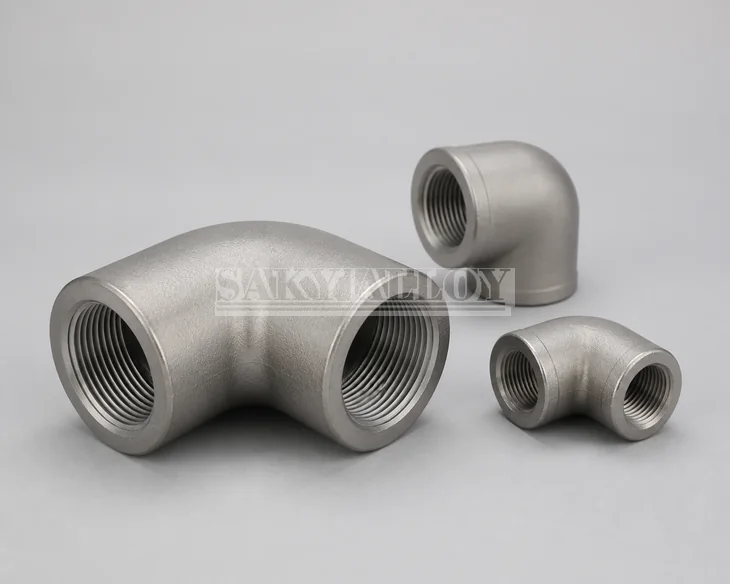
Why Titanium Threads Can Gall
Sliding contact under high local pressure can transfer and tear material from mating thread surfaces. Increasing torque after the joint begins to seize may permanently damage the fitting and mating component or create misleading preload.
Controls to Define Before Assembly
- Correct thread system, class, gaging and engagement
- Clean threads free from chips, grit and incompatible contamination
- Approved mating material and surface condition
- Service-compatible lubricant, sealant or anti-seize compound
- Controlled installation speed and torque procedure
- Alignment without cross-threading or side load
- Inspection and permitted reuse policy
Pressure Sealing and Lubrication Are Separate Questions
A compound used to reduce friction may not satisfy chemical compatibility or sealing requirements. Conversely, a thread sealant may not provide the desired anti-galling behavior. The responsible engineer must approve both functions for the process medium and temperature.
Product-Specific Considerations
A threaded union needs controlled assembly of its end threads and central joint. A coupling requires correct alignment and engagement at both ends. A pipe nipple needs sufficient wrenching access without damaging the bore or finished threads.
Include Assembly Requirements in the RFQ
Specify mating materials, lubricant or sealant limitations, thread gaging, torque procedure, inspection and reuse policy with your Titanium Threaded Fittings inquiry.
Related Technical Reading
Titanium Threaded Fitting Types · Titanium Threaded Fitting Applications · NPT vs BSPT vs BSPP · Grade 2 vs Grade 7 vs Grade 12 Fittings