

Bulk Titanium Bar, Plate and Pipe: MOQ, Price and Alternatives Guide
There is no single titanium MOQ or universal price per kilogram. A workable bulk quotation depends on product form, grade, standard, dimensions, total weight, production route, testing, documentation, packaging and destination. Buyers receive more useful quotations when they separate mandatory engineering requirements from preferences that can be adjusted.
What Determines the MOQ?
MOQ may be controlled by available stock, mill production quantity, minimum billet or slab route, cutting yield, heat-lot traceability and the number of different sizes in the order. A small stock item can sometimes be supplied in a lower quantity, while a special grade, unusual wall, tight tolerance or single-heat requirement may need a larger production quantity. Therefore, the RFQ should state both the required quantity and whether partial delivery, mixed heats or alternative stock sizes are acceptable.
| Product form | Core order information | Common MOQ and price influences |
|---|---|---|
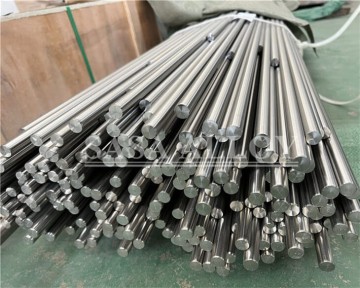
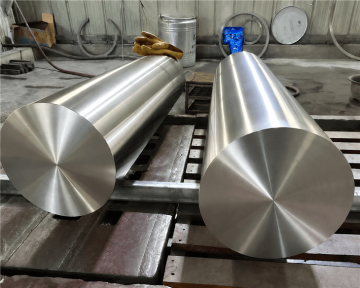
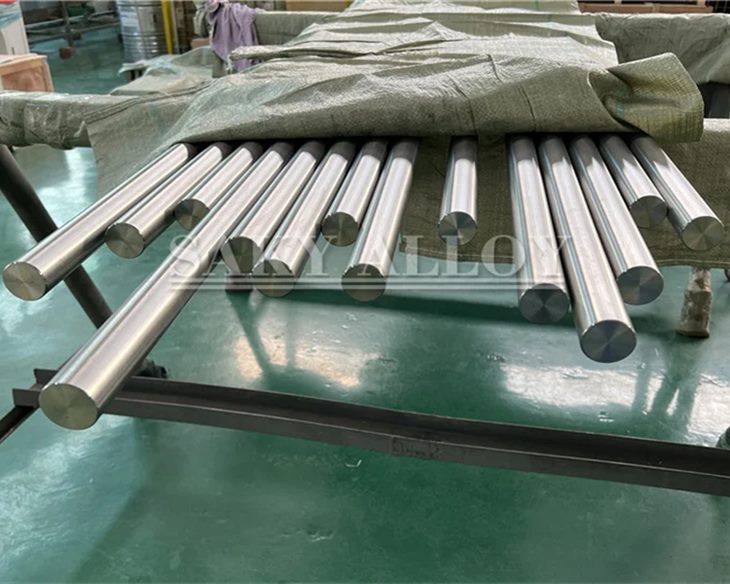
| Titanium bar and rod | Grade, ASTM/AMS/GB standard, diameter or shape, length, condition, tolerance and total weight | Billet route, diameter availability, peeling or grinding, straightness, UT and cut lengths |
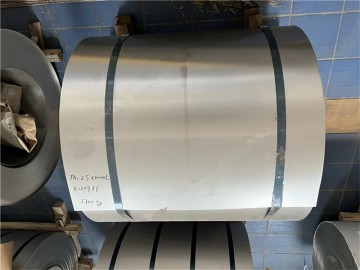
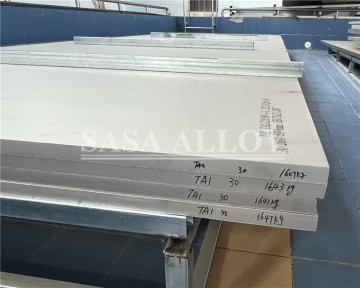
| Titanium plate and sheet | Grade, thickness, width, length or cut list, surface, flatness and total weight | Slab or coil route, thickness, plate utilization, cut shape, flatness, edge finish and packing |
| Seamless titanium pipe | Grade, NPS or OD, schedule or wall, length, ends, test method and quantity | Hollow-billet route, OD-wall combination, length, pressure testing, NDE and end preparation |
| Welded titanium pipe | Grade, OD, wall, length, weld route, seam examination, ends and quantity | Starting strip or plate, forming setup, weld qualification, NDE, pressure testing and order length |
Main Price Drivers in a Bulk Titanium Order
- Grade and alloy content: commercially pure and alloyed grades have different raw-material and processing routes.
- Product standard and condition: ASTM, ASME, AMS, GB/T or project requirements can change chemistry, mechanical properties, tolerances and testing.
- Dimensions and yield: uncommon sizes, small cut pieces and many different dimensions can increase processing loss and setup time.
- Surface and tolerance: peeled, ground, polished, pickled or drawing-specific surfaces require different processing.
- Inspection and documentation: MTC, heat traceability, UT, PT, pressure testing, dimensional reports, PMI or third-party inspection should be stated before quotation.
- Packaging and destination: seaworthy packing, wooden cases, bundle limits, container loading and delivery terms affect the total landed cost.
For additional market and production context, read Titanium Price Drivers. A published market price cannot replace a quotation against the actual grade, dimensions and document package.
Can a Lower-Cost Titanium Grade Be Used?
A lower-priced grade may be evaluated only when the governing design, customer specification and service conditions allow it. The substitution decision must consider strength, corrosion environment, temperature, fabrication, joining, fatigue, product standard and certification. A supplier quotation should clearly separate the specified material from any optional alternative.
| Starting requirement | Possible commercial question | Engineering review required |
|---|---|---|
| Grade 5 / Ti-6Al-4V | Can Grade 2 or Grade 9 reduce cost? | Do not substitute by price alone. Review required strength, section, fatigue, temperature, corrosion and specification. |
| Grade 7 or Grade 12 for corrosive service | Can Grade 2 be considered? | Review complete process chemistry, concentration, temperature, aeration, crevices, impurities and cleaning conditions. |
| Seamless pipe | Can welded pipe be offered? | Confirm piping code, buyer approval, weld route, seam examination, pressure test and dimensional requirements. |
| Ground bar or precision plate | Can mill-finish stock with machining allowance be used? | Confirm finished dimensions, cleanup allowance, flatness, straightness and machining plan. |
How to Structure a Bulk RFQ
- State the exact product form: bar, rod, sheet, plate, seamless pipe or welded pipe.
- Provide the titanium grade, UNS designation and governing standard with revision when required.
- List every size, length and quantity; also provide the estimated total weight.
- Define condition, surface, dimensional tolerance, straightness or flatness, and end preparation.
- Specify tests, inspection reports, MTC, traceability and third-party inspection requirements.
- State packaging limits, destination port or city and preferred delivery term.
- Identify which requirements are mandatory and where an alternative may be reviewed.
Browse the full titanium bar and rod range, titanium plate and sheet range and titanium pipe and tube range before preparing the size list.
FAQ
What is the standard MOQ for titanium bar, plate or pipe?
There is no universal MOQ. It depends on stock availability, grade, dimensions, production route, testing and whether the order can be combined with an existing heat or production campaign.
Does a larger order always have a lower unit price?
Higher weight can distribute setup and inspection costs, but grade, yield, special dimensions, processing and documentation still control the result. Compare quotations against the same technical scope.
What should I send if my target price is below the quotation?
State which dimensions, surface, tolerance, delivery schedule or certification requirements may be adjusted. If a different grade or product route is proposed, it must be reviewed and approved for the application before ordering.
Can mixed sizes be combined into one bulk order?
Often they can be quoted together, but each size may have a different production minimum. Provide the complete size schedule so stock, production and packing options can be reviewed as one package.
Request a Bulk Titanium Quotation
Send the grade, product form, standard, dimensions, quantity or total weight, application, testing, documentation, packaging and destination. If cost reduction is required, identify which requirements can be reviewed and which must remain unchanged.
Comparing bar offers? Use the titanium bar quotation comparison checklist to align billable weight, cutting yield, inspection and delivery scope before comparing price per kilogram.