
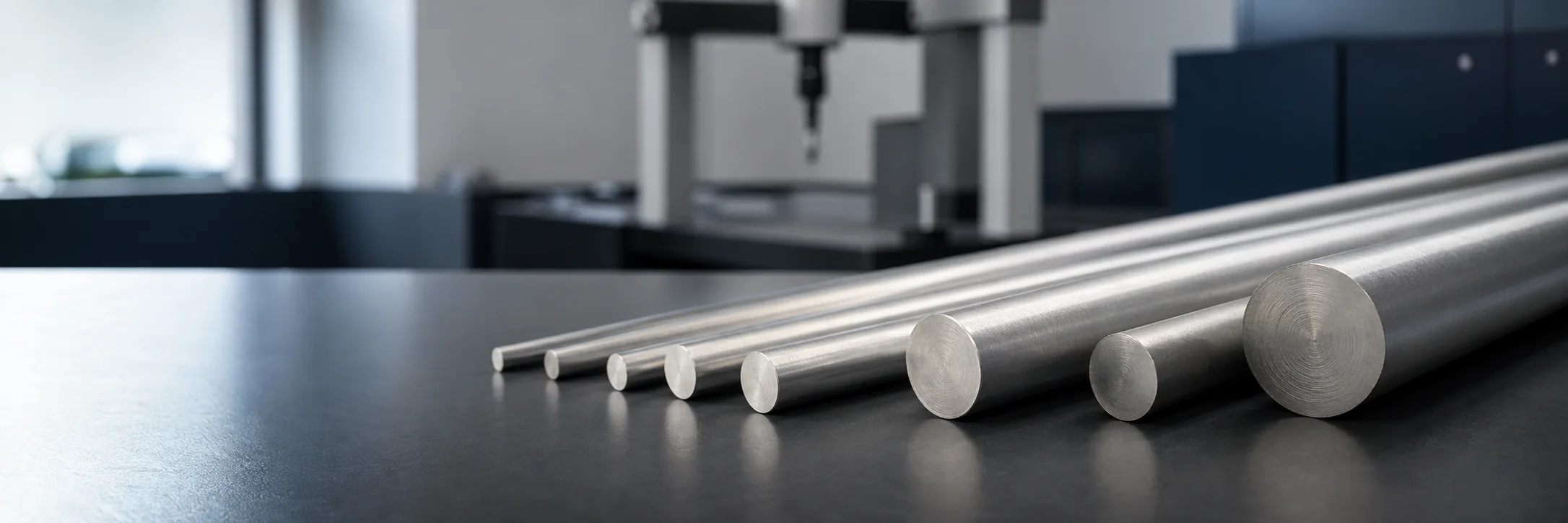
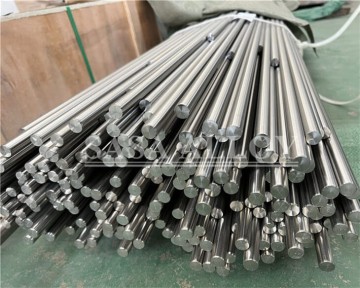
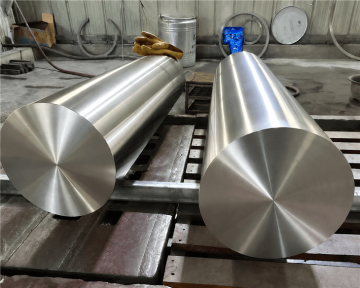
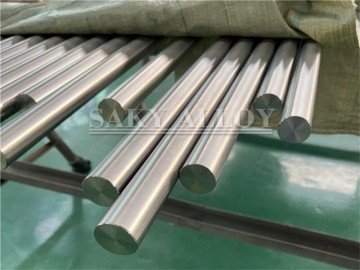
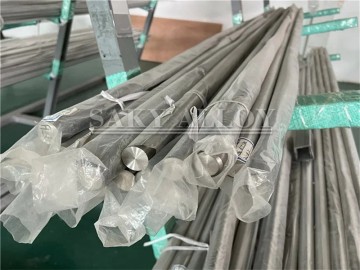
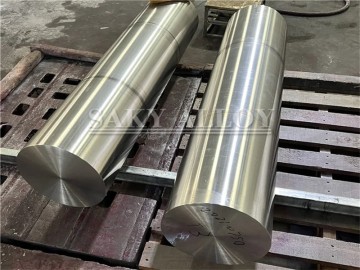
Titanium Bar Surface Condition: Hot-Rolled, Forged, Peeled or Ground?
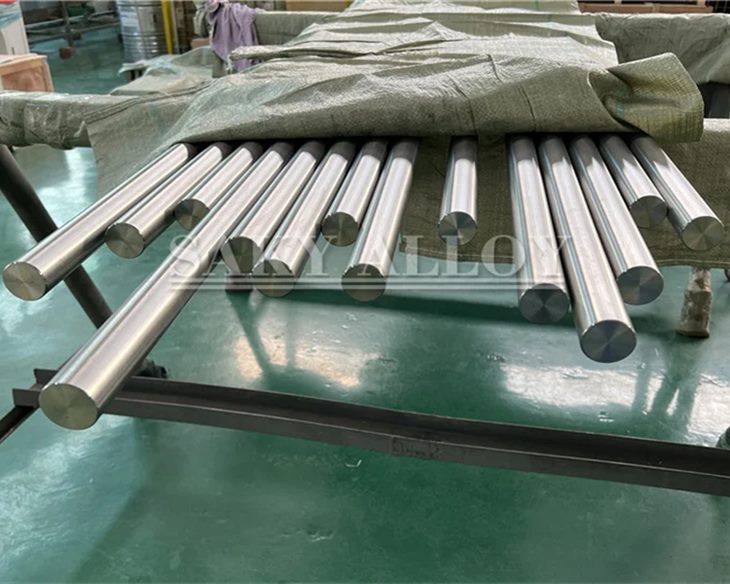
Titanium bar surface condition affects available diameter, machining allowance, inspection visibility and delivered cost. “Bright” or “polished” alone is not a complete specification. Buyers should connect the requested condition to the final component and state the dimensional and surface acceptance criteria.
Surface Conditions at a Glance
| Condition | Typical use in a supply route | Buyer checks |
|---|---|---|
| Hot-rolled | General mill bar where downstream machining allowance is available | Scale removal, surface class, diameter tolerance and straightness |
| Forged | Larger sections or parts requiring a forged production route | Reduction route, heat treatment, ultrasonic testing and machining allowance |
| Peeled / turned | Removal of the outer mill surface before machining or further finishing | Minimum delivered diameter, tool marks, decarburization language that does not apply to titanium, and residual defects |
| Centerless ground | Closer diameter control and a more uniform surface for precision stock | Diameter tolerance, roundness, straightness and finish requirement |
| Polished | Specified surface appearance or roughness after prior processing | Required Ra, polishing direction and whether dimensions are measured before or after polishing |
Material Standard Comes Before Appearance
ASTM B348 is widely used for titanium and titanium-alloy bars and billets. The exact grade, condition, size, tolerances, test requirements and certification must still be stated. A visual finish name does not replace the material specification. See the ASTM B348 titanium bar page and the broader titanium bar and rod category.
How Surface Condition Changes Machining Planning
A rougher mill or forged surface normally needs more stock removal than a ground bar. A peeled bar can reduce the amount of outer-surface removal, while a ground bar may support closer starting dimensions. The final allowance must still cover straightness, chucking, cleanup, heat-to-heat variation and the geometry of the finished part. Order nominal size and minimum cleanup size separately when both matter.
Inspection and Documentation
Surface inspection should be agreed before production. Specify whether acceptance is visual, dimensional, roughness-based, dye-penetrant, ultrasonic or drawing-specific. Ultrasonic testing is not automatically included for every diameter and grade; identify the method, reference standard, acceptance class and report requirement. For traceable bulk orders, also state heat/lot marking, MTC, positive material identification if required and how cut lengths will retain identification.
Bulk RFQ Checklist
- Grade, UNS designation and governing standard with edition
- Round, square, hexagonal or drawing-specific bar form
- Diameter or across-flats size, length and total weight
- Hot-rolled, forged, peeled/turned, ground or polished condition
- Diameter tolerance, roundness, straightness and surface roughness where required
- Annealed or other specified condition and any machining allowance
- UT, PT, dimensional report, PMI, MTC and traceability requirements
- End preparation, marking, packing and destination
FAQ
Is ground titanium bar always better than hot-rolled bar?
No. Ground bar can support closer starting dimensions and a uniform surface, but hot-rolled stock may be more economical when sufficient machining allowance is available.
Are peeled and polished bars the same?
No. Peeling or turning removes the outer layer by cutting. Polishing changes the surface finish and may follow another sizing operation. The order should state both dimensional and roughness requirements.
Can a lower-cost grade replace the specified titanium grade?
Only after engineering review of strength, corrosion, temperature, fabrication, standards and certification. Surface condition does not make different grades interchangeable.
Request Bulk Titanium Bar Pricing
Send the grade, standard, shape, size, condition, total weight, tolerances, tests, documentation and destination. We will review available production routes and quote against the complete requirement.