
Grade 2 vs Grade 7 Titanium Tube
Grade 2 and Grade 7 titanium tube share a commercially pure titanium base, but Grade 7 contains a controlled palladium addition that improves corrosion performance in certain reducing and crevice conditions. Grade 7 is not a universal upgrade: select it only after reviewing the complete chemical environment, temperature, pressure, fabrication and governing design requirements.
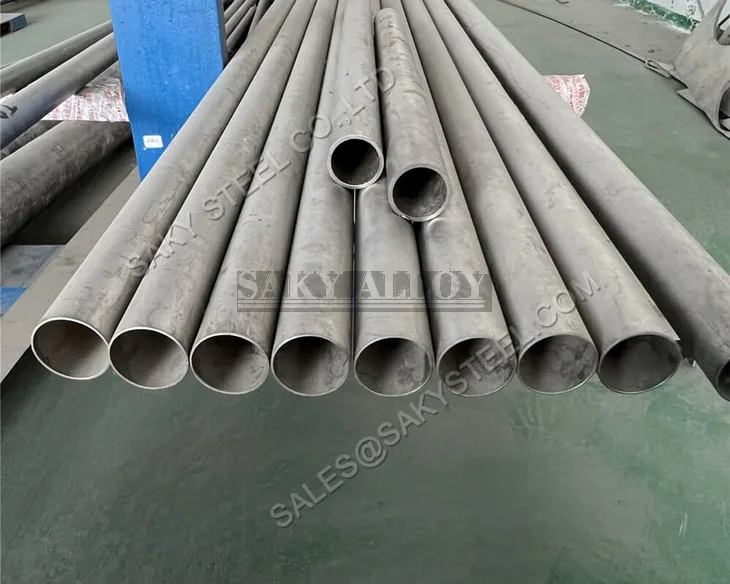
Grade 2 vs Grade 7 Comparison
| Selection item | Grade 2 | Grade 7 |
|---|---|---|
| UNS designation | R50400 | R52400 |
| Material family | Commercially pure titanium | Palladium-alloyed commercially pure titanium |
| Nominal selection intent | General corrosion-resistant industrial, marine and heat-transfer service | Selected reducing-acid or crevice-corrosion conditions where palladium-enhanced performance is justified |
| Mechanical basis | Commercially pure grade with useful ductility and formability | Generally similar product-form behavior; verify the governing specification and certified values |
| Commercial consideration | Typically broader availability | Higher alloy cost and potentially different availability |
Exact chemical limits and mechanical requirements depend on the relevant product specification and condition. Use the current standard and certified material test report for acceptance.
When Grade 2 Is Commonly Considered
Grade 2 is widely specified for seawater heat-transfer equipment, marine service, oxidizing environments and many chemical-processing applications because it combines corrosion resistance, formability and weldability. Its suitability still depends on temperature, solution chemistry, deposits, velocity, galvanic interfaces and equipment design. “Commercially pure titanium” is not a blanket corrosion guarantee.
When Grade 7 May Be Considered
The palladium addition in Grade 7 can improve passivation in selected reducing media and crevice conditions. Applications may include chemical equipment, piping and heat exchangers exposed to environments where Grade 2 lacks sufficient margin. A corrosion specialist or equipment designer should review concentration, temperature, aeration, contaminants, start-up and shutdown conditions, crevice geometry and expected service life.
Product Standard and Manufacturing Route
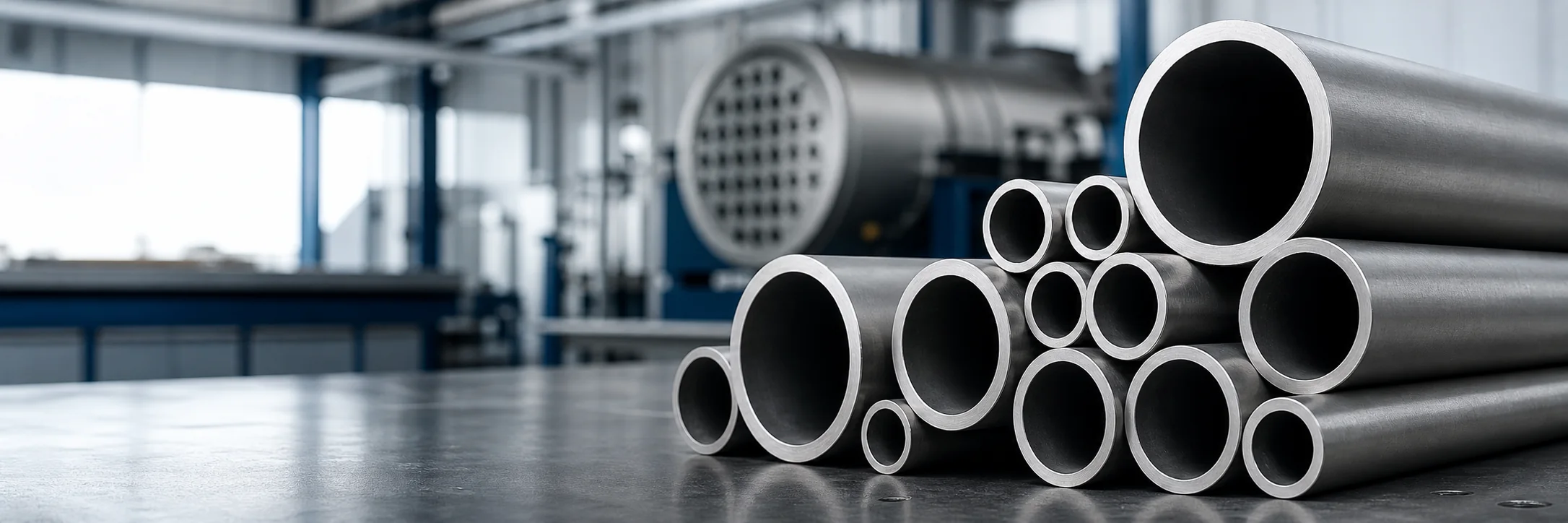
After choosing the grade, specify the correct product standard. ASTM B338 is commonly used for seamless or welded heat-exchanger and condenser tube. ASTM B861 covers seamless pipe, and ASTM B862 covers welded pipe. Also define outside diameter or NPS, wall thickness or schedule, length, condition, tolerances, surface and end preparation. Grade and standard answer different questions and both belong in the RFQ.
Fabrication, Joining and Inspection
Confirm forming, bending, tube-sheet expansion, welding procedure, filler metal policy, cleaning and iron-contamination control. Inspection may include chemistry and tensile results, dimensions, surface inspection, pressure testing and product-specific nondestructive examination. Require heat or lot traceability and the agreed certificate format. For demanding corrosion service, define positive material identification or independent inspection where the project requires it.
Compare Available Titanium Tube Options
Review Grade 2 Seamless Titanium Tube, Grade 7 Seamless Titanium Tube and related products in Titanium Pipe & Tube.
RFQ Checklist
- Process fluid, concentration, temperature, pressure and flow conditions
- Normal, cleaning, upset, start-up and shutdown environments
- Grade, UNS number, product standard and edition
- Seamless or welded route, dimensions, length and quantity
- Ends, surface, fabrication and joining requirements
- Testing, certificate, traceability and inspection requirements
FAQ
Is Grade 7 always more corrosion resistant than Grade 2?
No material is superior in every environment. Grade 7 offers an advantage in certain reducing or crevice conditions, but suitability must be checked against the actual service.
Can Grade 7 directly replace Grade 2?
Only after engineering review. Confirm the design code, product specification, availability, welding and fabrication procedures, galvanic interfaces and project approval requirements.
Can visual inspection distinguish Grade 2 from Grade 7?
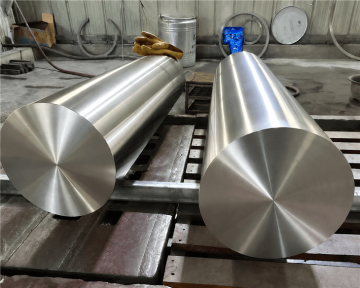
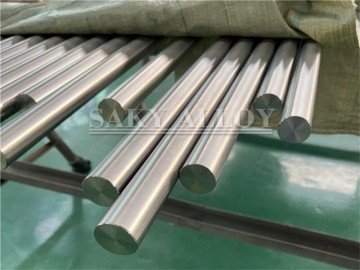
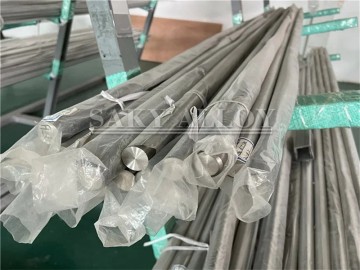
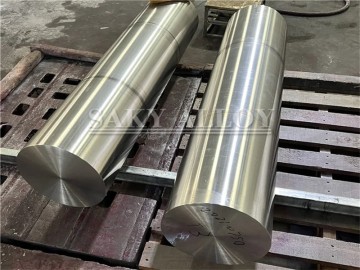
No. The grades can look alike. Identification depends on traceability, marking, material certificates and any required verification testing.
Related Reading
ASTM B338 vs B861 vs B862 · Seamless vs Welded Titanium Tube · Titanium Condenser Tube Selection
Specify Grade 2 or Grade 7 Tube to ASTM B338
Use the corrosion assessment to select the grade, then define dimensions, condition, testing and traceability on the ASTM B338 tube product page.