
Titanium Machining Tolerances, Surface Finish and Inspection
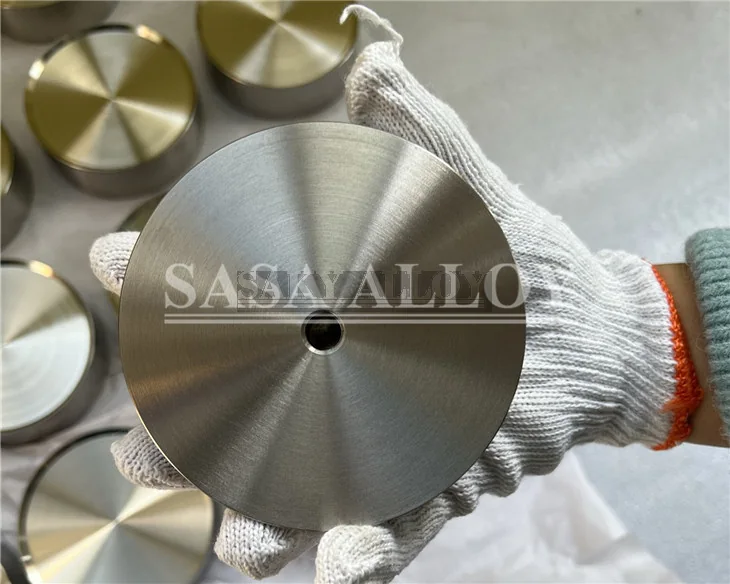
Every critical titanium machined feature should have a datum, limit, measurement method and acceptance stage. Tighter tolerances increase process and inspection cost, so assign them where fit, sealing, alignment, fatigue or assembly requires them.
Feature Control Matrix
| Feature | Define | Inspect |
|---|---|---|
| Bore and OD | Size, fit, roundness and concentricity | Temperature, method and datum |
| Faces | Thickness, flatness and parallelism | Support, datum and final condition |
| Threads | System, class, depth and runout | GO/NO-GO gauge |
| Surface | Parameter, value and direction | Area and measurement location |
| Edges | Chamfer, radius or break edge | Burr and sharp-edge acceptance |
Datum and Measurement Planning
Use functional datums that can be established during manufacture and inspection. Identify free-state or restrained measurement for thin parts and temperature when fit is sensitive. Numerical criteria should replace vague “precision machining” notes.
Surface Finish and Final Condition
Specify parameter, value, direction and applicable surfaces. Blending, blasting, pickling, cleaning or coating can change appearance and dimensions. Define permitted marks and whether inspection occurs before or after final processing.
First Article and Production Inspection
State first-article scope and approval point. Identify critical characteristics, sampling or 100% inspection, calibrated equipment, reports and nonconformance handling. Preserve heat/lot traceability where required.
Dimension-Controlled Products
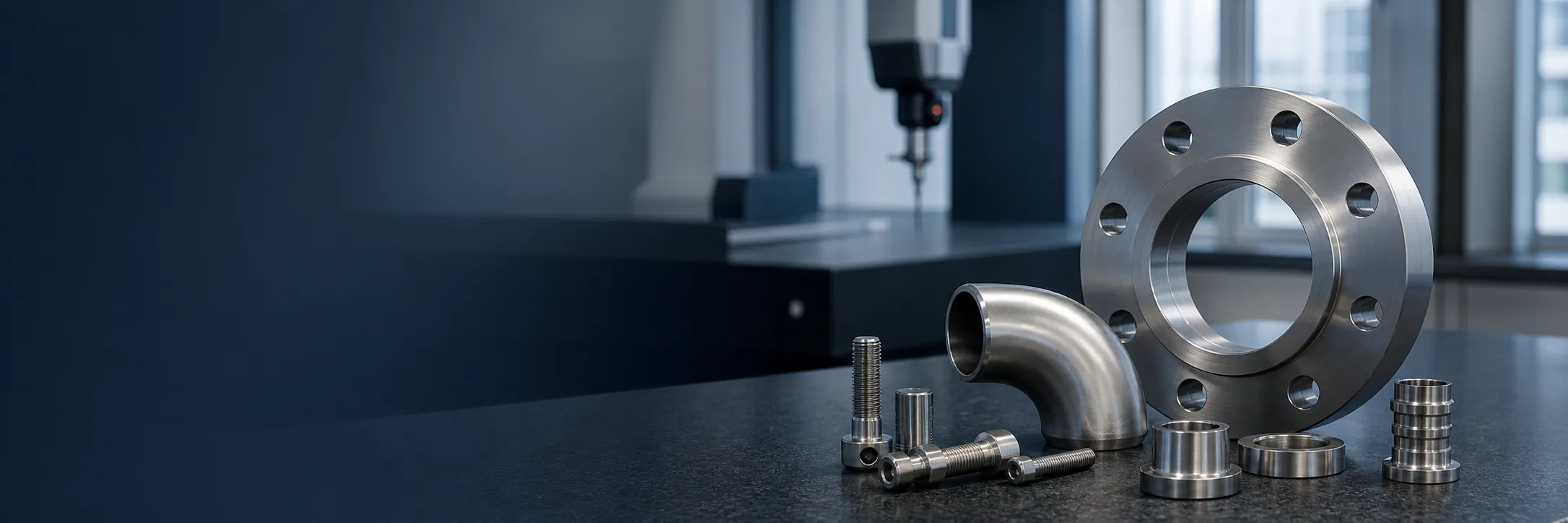
Review Precision Titanium Bushings, Titanium Machined Discs and Titanium Machining Parts.
RFQ Checklist
- Drawing, datums and general tolerance
- Critical dimensions, GD&T, threads and fits
- Surface, edges and final process
- First article, sampling and reports
- Material records and traceability
FAQ
Is a smaller tolerance always better?
No. Use the tolerance required for function and reliable inspection.
When should surface finish be measured?
After the last process that can affect the controlled surface, unless otherwise specified.