
Why Is Titanium Pipe More Expensive
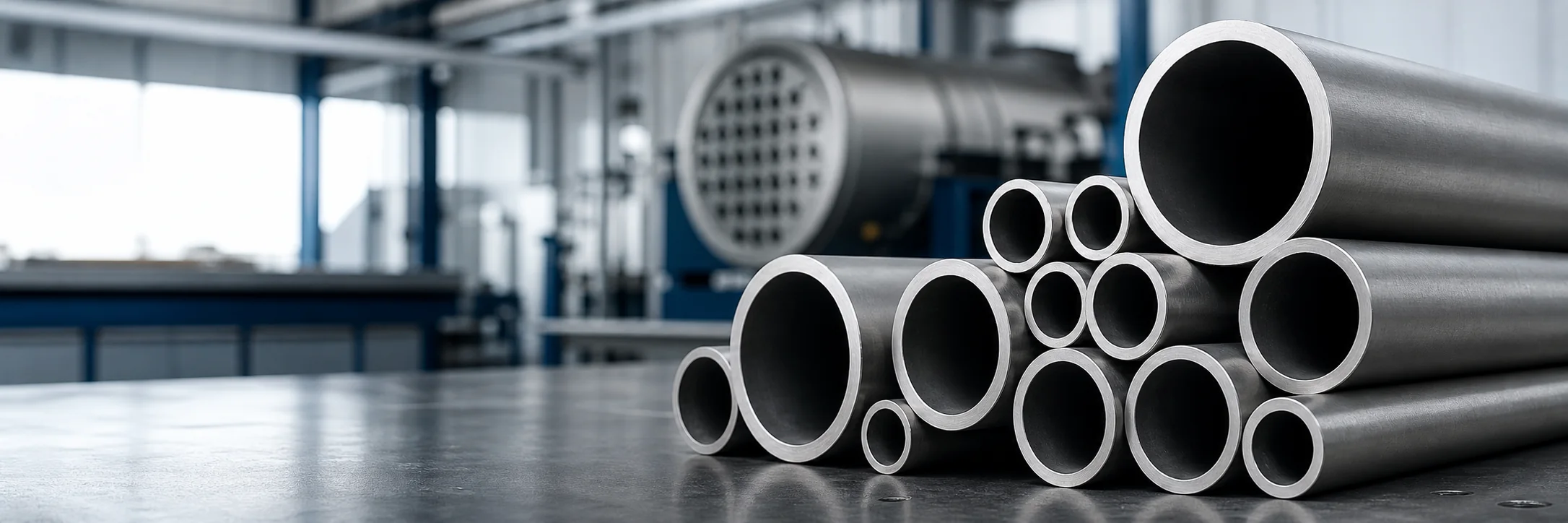
Titanium pipe is widely used in industries that demand high strength light weight and exceptional corrosion resistance These industries include aerospace marine engineering chemical processing medical systems and energy infrastructure While titanium pipe offers unmatched durability and performance it is often significantly more expensive than alternatives like stainless steel copper or plastic piping
This article explores the reasons why titanium pipe is more expensive We will examine the factors that contribute to its cost from raw material extraction and processing to fabrication and market dynamics We will also explain why the higher price is often justified in the long term and how suppliers like sakyalloy help customers maximize value when investing in titanium piping systems
The Cost of Titanium Raw Material
One of the primary reasons titanium pipe is more expensive is the cost of titanium itself Titanium is not a rare element but extracting and refining it is complex and energy intensive
Titanium is typically sourced from minerals such as rutile and ilmenite
Processing these ores to produce titanium sponge or ingot involves high temperature and chemical processes such as the Kroll process
The production of pure titanium metal requires strict control to remove impurities and achieve desired material properties
These steps make titanium significantly more costly to produce compared to metals like steel or aluminum
Complex Manufacturing and Fabrication Processes
Turning titanium into pipe involves advanced manufacturing techniques
Titanium is difficult to work with due to its reactivity at high temperatures It must be processed in controlled environments to prevent contamination
Seamless titanium pipe requires precision extrusion or drawing processes that demand specialized equipment
Welded titanium pipe must be fabricated using inert gas shielding to prevent weld contamination and maintain material integrity
This high level of processing precision and quality control adds to the final cost of titanium pipe
Energy Consumption in Titanium Production
Titanium production is energy intensive
From ore extraction through to sponge production ingot formation and final pipe fabrication each stage consumes significant energy
The high melting point of titanium about 1668 degrees Celsius means more energy is needed compared to metals like aluminum or copper
Energy costs are a major factor influencing the price of titanium products
Supply Chain and Availability
Titanium production is concentrated in a few regions and facilities worldwide This can lead to supply chain limitations
Geopolitical issues or export restrictions can impact the availability of raw materials and finished products
The market for titanium is smaller than that for steel or aluminum so economies of scale are limited
Fluctuations in demand from major industries such as aerospace or defense can influence titanium pricing globally
These factors contribute to price variability and generally higher costs for titanium pipe
Specialized Handling and Inspection
Titanium pipe must be handled and inspected carefully throughout production and delivery
It requires clean manufacturing environments to avoid contamination
Non destructive testing is often performed to ensure material integrity especially for critical applications
Packaging and shipping require protection against scratches or damage that could affect performance
These measures add to production and delivery costs but are essential for maintaining the quality expected of titanium products from suppliers like sakyalloy
Certification and Compliance
Titanium pipe is commonly used in industries with stringent regulatory requirements
Products must comply with standards such as ASTM B861 B862 ASME codes or aerospace and medical certifications
This involves extensive documentation material testing and traceability
Meeting these standards adds cost but ensures the pipe performs safely and reliably in critical systems
sakyalloy provides full certification and compliance support helping customers meet project and regulatory demands
Long Term Value Justifies the Cost
While titanium pipe is more expensive up front its total lifecycle cost is often lower
Titanium pipe offers exceptional corrosion resistance reducing maintenance and replacement costs
It provides a longer service life especially in harsh environments
Its light weight can reduce transportation and installation costs in some applications
Fewer failures and downtime translate into operational savings over time
For systems where reliability and performance are crucial titanium pipe represents a sound long term investment
Applications Where Titanium Pipe Delivers Superior Value
Titanium pipe is chosen despite its higher cost for applications where other materials would fail or require frequent replacement
Desalination plants where saltwater corrosion is a constant challenge
Chemical processing lines handling aggressive acids or chlorides
Offshore oil and gas platforms exposed to harsh marine environments
Aerospace hydraulic and fuel systems requiring strength and weight savings
Medical fluid systems where hygiene and biocompatibility are critical
In these cases the cost of failure far outweighs the premium paid for titanium
The Role of sakyalloy in Delivering Cost Effective Titanium Solutions
sakyalloy helps customers manage the cost of titanium piping systems by
Supplying high quality certified titanium pipe that meets international standards
Offering technical guidance to select the right grade and configuration for the application
Providing custom fabrication and cutting services to minimize waste and optimize fit
Supporting global logistics and supply chain management to ensure timely delivery
By working with sakyalloy customers can maximize the value of their investment in titanium piping
Conclusion
Why is titanium pipe more expensive The answer lies in the unique challenges of extracting processing and fabricating titanium combined with the added costs of certification quality control and specialized handling However these costs reflect the superior performance durability and safety that titanium pipe provides
For industries where failure is not an option the investment in titanium piping systems delivers long term value through reduced maintenance fewer replacements and enhanced operational reliability With expert support from suppliers like sakyalloy businesses can be confident in choosing titanium pipe for their most demanding applications
Continue From Technical Review to Product Specification
Browse the Titanium Pipe & Tube category and ASTM B338 Titanium Tube. Compare ASTM B338 vs B861 vs B862 and the Grade 1 vs Grade 5 vs Grade 12 guide before specifying material.
For quotation: provide grade, standard and revision, seamless or welded construction, OD, wall, length, tolerance, quantity, service conditions, inspection documents and destination.
How to Reduce Titanium Pipe Cost Without Weakening the Specification
A lower quotation should come from removing unnecessary cost drivers—not from silently changing the required material. Any change to grade, construction or governing standard requires approval against the design conditions.
| Cost decision | Possible route | What must be confirmed |
|---|---|---|
| Tube or pipe specification | Use the standard that matches the actual product and service | ASTM B338 tube, ASTM B861 seamless pipe and ASTM B862 welded pipe have different scopes |
| Seamless versus welded | Welded construction can be economical in suitable sizes and services | The design code, pressure, corrosion service, seam examination and acceptance criteria must permit it |
| Grade selection | A commercially pure grade can cost less than a higher-alloyed grade in some orders | Do not substitute Grade 2 for Grade 5, Grade 7 or Grade 12 without engineering approval |
| Dimensions and tolerances | Use standard OD, wall and mill lengths; avoid unnecessary tight tolerances | Confirm machining, fabrication, fit-up and corrosion allowance before relaxing requirements |
| Testing and documents | Specify the tests and certificate level actually required | Keep every requirement imposed by the product standard, code, project or end user |
| Quantity and logistics | Consolidate sizes, mill production and shipment where practical | Provide total weight, destination and delivery schedule so the supply route can be evaluated |
For a comparable bulk quotation, send the grade, standard and revision, seamless or welded construction, NPS or OD, schedule or wall thickness, length, quantity or total weight, tests, certificate requirements and destination. Browse the complete titanium pipe and tube range or use the B338 vs B861 vs B862 selection guide.