
Grade 1 vs Grade 2 vs Grade 5 vs Grade 7 vs Grade 12 Titanium Strip
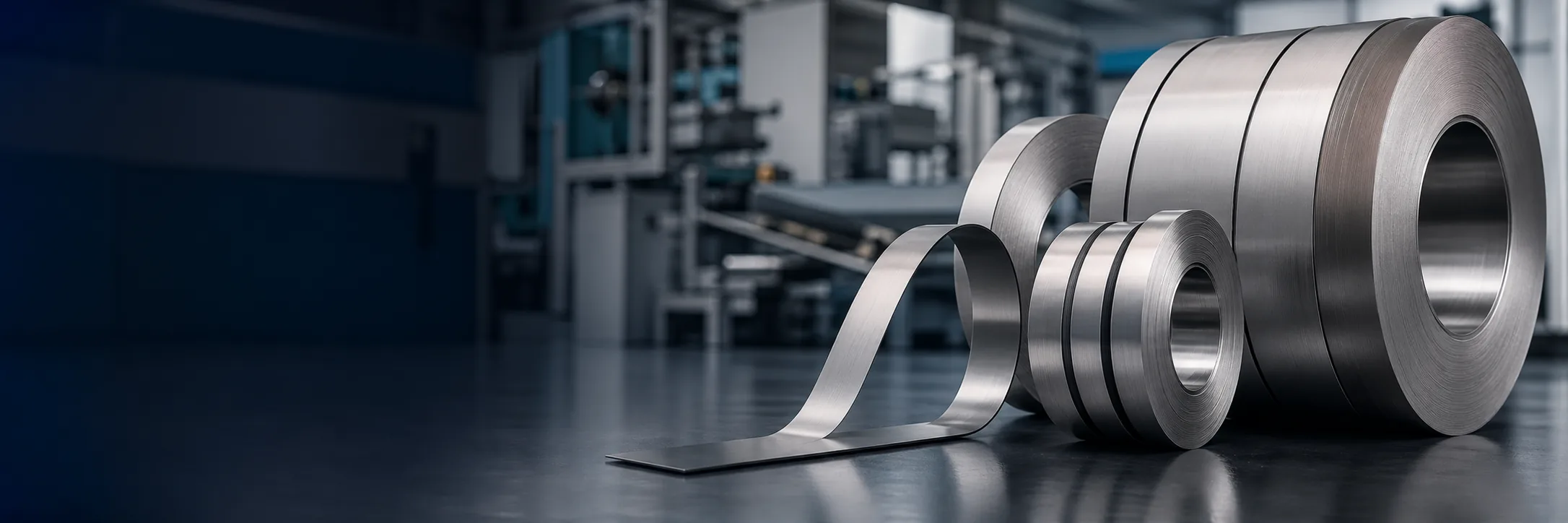
Titanium strip grade selection should start with the service environment, required strength and downstream forming or welding process. Grade 1 and Grade 2 are commercially pure grades, Grade 5 emphasizes high strength, and Grade 7 and Grade 12 address selected corrosion and strength requirements. No grade is universally best.
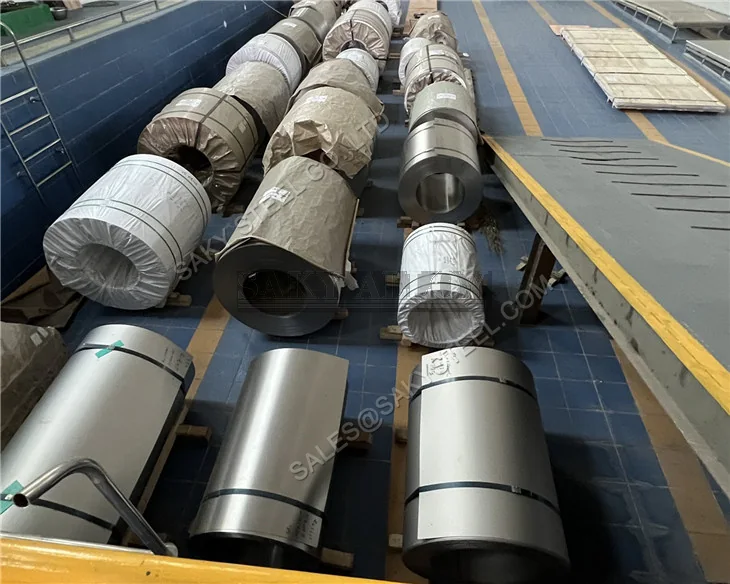
Titanium Strip Grade Comparison
| Grade | Material family | Primary selection emphasis | Critical review |
|---|---|---|---|
| Grade 1 | Commercially pure | High ductility and demanding forming among common CP grades | Strength, condition, gauge and service |
| Grade 2 | Commercially pure | General balance of corrosion resistance, strength and formability | Environment, forming severity and joining |
| Grade 5 | Ti-6Al-4V | Higher strength where approved condition and processing suit the part | Formability, bend radius, welding and specification |
| Grade 7 | Palladium-alloyed CP titanium | Selected reducing or crevice-corrosion conditions | Complete chemical environment and cost justification |
| Grade 12 | Ti-Ni-Mo alloy | Selected corrosion conditions with higher strength than common CP grades | Availability, forming, welding and service limits |
Separate Formability, Strength and Corrosion
Grade 1 may support severe forming but has lower strength; Grade 5 offers high strength but can require different tooling and bend design. Grade 7 and Grade 12 can provide corrosion advantages in selected environments but are not automatic replacements for Grade 2. Evaluate each requirement separately before selecting a compromise.
Condition and Specification Control
The same grade can be supplied in different conditions and under different specifications. State the controlling document and revision, condition, gauge, width and mechanical-property direction. Aerospace, medical or critical components may require an AMS, ASTM or other project specification with additional approvals and tests.
Downstream Fabrication Review
Identify whether the strip will be stamped, deep drawn, roll formed, bent, welded or machined. Confirm minimum bend radius, draw direction, tooling contact, surface protection, edge condition and any heat-treatment restrictions. Production trials may be more reliable than generic data for severe operations.
Dimensions and Coil Requirements
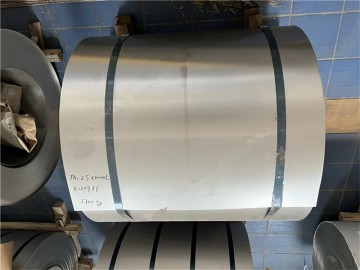
Specify thickness, width, tolerances, coil ID/OD, maximum unit weight, winding, edge, burr, camber, surface and packaging. Grade selection cannot compensate for a coil that does not feed or fit the customer’s line.
Send Complete Strip Requirements
Browse the Titanium Coil & Strip category and provide service, grade, standard, condition, dimensions, coil geometry, quantity, processing and certificate requirements.
RFQ Checklist
- Service environment and finished-part function
- Grade, specification, revision and condition
- Thickness, width, tolerances and quantity
- Coil geometry, edge, burr, camber and surface
- Forming/welding route, testing, traceability and packaging
FAQ
Is Grade 5 always better because it is stronger?
No. Higher strength can reduce formability and does not guarantee corrosion suitability.
Is Grade 7 always more corrosion resistant than Grade 2?
No. Its advantage applies to selected environments; review actual chemistry and temperature.
Can one grade be substituted without a process trial?
Not safely for demanding parts. Review design, specification, tooling, forming, welding and service before substitution.
Related Reading
Strip vs Sheet vs Foil · Titanium Strip Applications · How to Specify Titanium Coil