

Titanium Strip vs Sheet vs Foil: What Buyers Should Specify
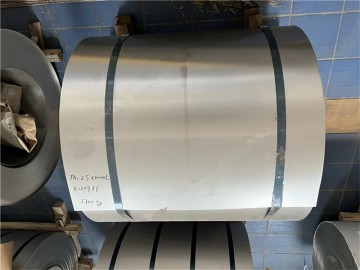
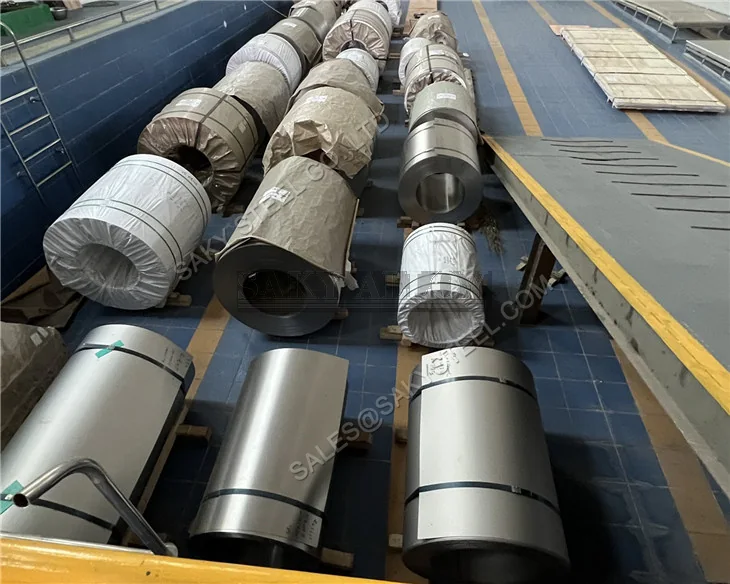
Titanium strip, sheet and foil are related flat products, but they are not interchangeable purchasing descriptions. Strip is normally supplied in coils or slit widths for continuous processing, sheet as flat cut lengths, and foil as very thin roll or cut material requiring controlled gauge, winding and handling.
Titanium Strip vs Sheet vs Foil
| Form | Typical supply | Production use | Critical RFQ data |
|---|---|---|---|
| Strip | Slit coil, mill-width coil or cut strip | Stamping, roll forming, continuous welding and repeat fabrication | Thickness, width, coil ID/OD, unit weight, edge, burr and camber |
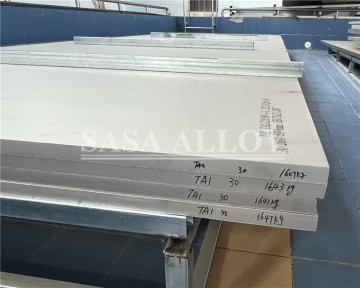
| Sheet | Flat cut length | Cutting, forming, fabrication and machining | Thickness, width, length, flatness, surface and grain direction |
| Foil | Thin coil, roll or cut piece | Precision components, shielding, electrodes and thin laminations | Gauge, width, winding, core, surface, pinhole and handling requirements |
There is no universal thickness boundary that replaces the invoked specification and supplier agreement. State the required product form explicitly.
Why Coil Geometry and Edge Condition Matter
For strip, specify slit or mill edge, maximum burr, width tolerance, camber, coil set, inside diameter, outside diameter and maximum unit weight. These parameters affect decoiling, feeding, stamping, forming and welding. A coil that meets chemistry and thickness but does not fit the processing line is not a usable supply.
Flatness, Surface and Handling
Sheet orders often emphasize flatness and cut dimensions; strip orders emphasize feed behavior and edge quality; foil requires protection against creasing, telescoping and surface damage. Define finish, cleanliness, protective interleaf or film, allowed marks and packaging where the downstream process is sensitive.
Material Specification and Condition
ASTM B265 or ASME SB265 may cover titanium strip, sheet and plate when expressly invoked and within scope. Aerospace, medical or other critical applications may require another specification. State grade, edition, condition, dimensions, tolerances, mechanical-property direction and supplementary tests.
Choose the Form Before the Grade
Review Grade 2 Titanium Strip, Grade 5 Titanium Strip, Grade 7 Titanium Strip and the Titanium Coil & Strip family.
RFQ Checklist
- Strip, sheet or foil form; grade, standard and condition
- Thickness, width, length or coil quantity and tolerances
- Coil ID/OD, unit weight, winding and orientation
- Edge, burr, camber, flatness and surface requirements
- Application, processing route, tests, certificate and packaging
FAQ
Can sheet be slit into strip?
Sometimes, but the resulting length, coil geometry, edge, camber and process economics may not match purpose-produced strip.
Is foil defined only by thickness?
No. The invoked specification, gauge tolerance, winding, surface and handling requirements also define acceptable supply.
Can strip and sheet use the same alloy grade?
Yes, but product form, condition, dimensions and acceptance requirements still differ.
Related Reading
Titanium Strip Applications · Titanium Strip Grade Comparison · How to Specify Titanium Coil