

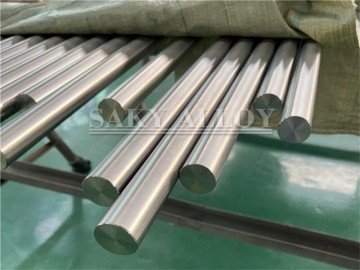
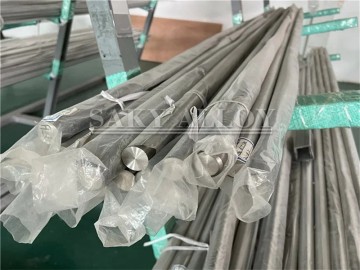
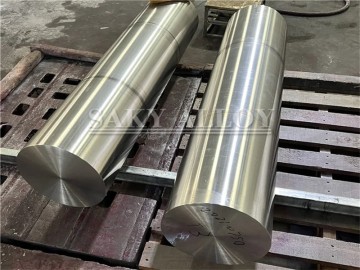
ERTi-2 vs ERTi-5 vs ERTi-7 Titanium Welding Wire
ERTi-2, ERTi-5 and ERTi-7 are different titanium filler-metal classifications and are not interchangeable. Select filler through the qualified welding procedure, base metals, joint design, required weld properties, corrosion environment and construction code.
ERTi Filler Comparison
| Classification | Alloy family | Common selection context | Critical review |
|---|---|---|---|
| ERTi-2 | Commercially pure Grade 2 family | Compatible CP titanium fabrication | Ductility, service and WPS/PQR |
| ERTi-5 | Ti-6Al-4V family | Compatible higher-strength alloy joints | Joint properties, heat input and code |
| ERTi-7 | Palladium-alloyed Grade 7 family | Qualified corrosion-service fabrication | Corrosion design, base metal and procedure |
The Qualified Procedure Controls
AWS A5.16/A5.16M and ISO 24034 classify filler rods and wire, but project qualification controls filler, process, shielding, heat input, cleaning, joint preparation, interpass condition and acceptance tests. Do not substitute classification solely because diameters match.
Delivery Form and Feeding
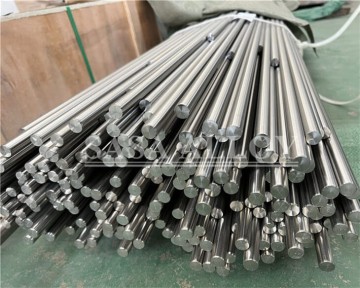
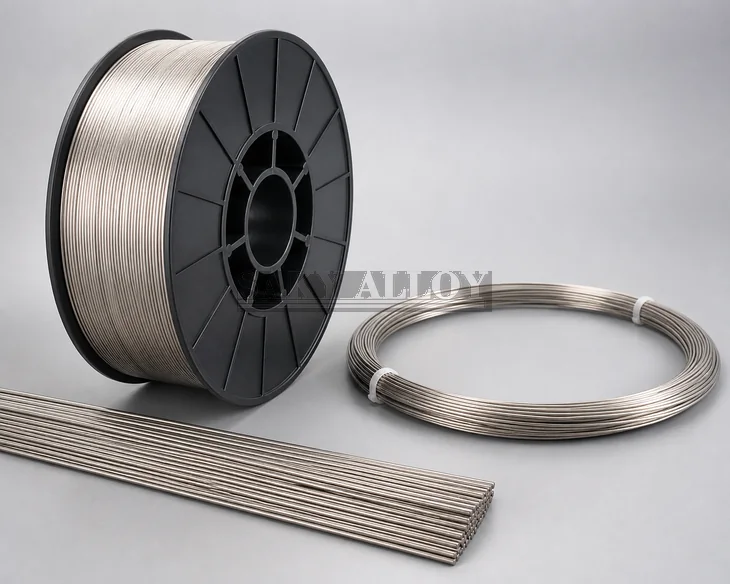
Spool wire requires diameter, spool dimensions and weight, cast, helix and layer winding. Straight TIG rods require diameter, length, straightness and protected bundles. Coil wire requires coil geometry, weight and controlled handling.
Cleanliness and Traceability
Protect wire from moisture, grease, dirt and mixed-lot use. Maintain classification and lot identity from receipt through welding. Define certificate, package labels and any chemical verification required by the quality plan.
Compare Welding Wire Products
RFQ Checklist
- Classification and filler specification
- Base metals, joint, process and WPS
- Diameter, tolerance and delivery form
- Package dimensions/weight and quantity
- Certification, lot traceability and packaging
FAQ
Is ERTi-5 a stronger replacement for ERTi-2?
No. It is a different alloy filler and requires compatible design and procedure qualification.
Is ERTi-7 required for every Grade 7 joint?
Follow engineering and the qualified procedure; do not select from grade name alone.
Can filler wire be identified visually?
No. Use labels, lot traceability and certificates.
Related Reading
Welding Wire for Process Equipment · ASTM B863 Wire RFQ · How to Weld Titanium