

The Difference Between Superalloy And Titanium Alloy
Are titanium alloys the same as superalloys?
No. A titanium alloy is based primarily on titanium, while conventional superalloys are commonly nickel-, cobalt- or iron-based materials developed for demanding high-temperature service. The presence of titanium as an alloying addition in a nickel-base superalloy does not make that material a titanium-base alloy. Identify the base metal, exact designation and condition before comparing service data.
Check the Special Metals alloy 718 bulletin, TIMET alloy-development history and ASTM B348/B348M bars and billets scope. Manufacturer data are references, not supplied-lot test results or component design approval.
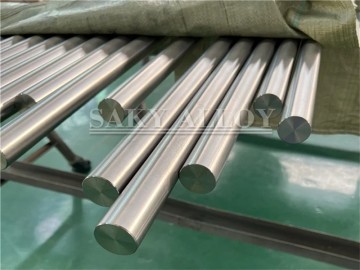
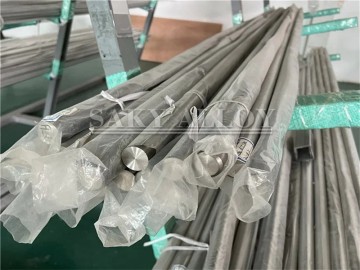
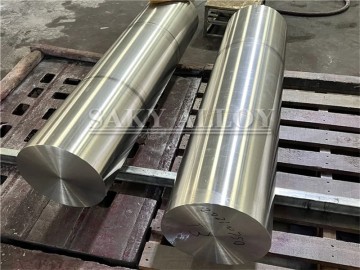
For a titanium RFQ, start with the required form: bar, plate or sheet, or pipe or tube. State grade, specification revision, dimensions, condition, quantity and inspection requirements. Product test certificates can be provided.
Modern industries such as aerospace, marine, automotive, power generation, and chemical processing rely heavily on advanced materials that can perform under extreme conditions. Two of the most widely discussed high-performance materials are superalloys and titanium alloys. Although both are known for their strength, durability, and corrosion resistance, they differ significantly in composition, properties, and applications.
This article provides a detailed analysis of the difference between superalloys and titanium alloys, helping engineers, manufacturers, and procurement specialists choose the right material for their projects.
What Are Superalloys?
Superalloys are a class of high-performance alloys designed to operate in extreme environments, particularly at high temperatures. They are typically based on nickel, cobalt, or iron and contain additional alloying elements such as chromium, molybdenum, tungsten, and aluminum.
Key Characteristics of Superalloys
-
Some turbine superalloys are developed for very high metal temperatures. The allowable temperature is specific to the alloy, component, stress, exposure time and cooling arrangement; 1000°C is not a rating for every superalloy.
-
Outstanding resistance to oxidation and corrosion.
-
Excellent fatigue, creep, and thermal shock resistance.
-
Ability to be cast, forged, or produced using powder metallurgy.
Common Applications
-
Jet engine turbine blades and discs.
-
Industrial gas turbines.
-
Nuclear reactors.
-
Heat exchangers and chemical processing equipment.
What Are Titanium Alloys?
Titanium alloys are metallic materials composed primarily of titanium mixed with elements such as aluminum, vanadium, molybdenum, and iron. They are designed for applications that require a balance of strength, lightness, and corrosion resistance.
Key Characteristics of Titanium Alloys
-
Titanium alloys are relatively low-density metals. Use the named grade and condition when calculating component mass, rather than treating one density as exact for every titanium alloy.
-
High tensile strength, comparable to or exceeding some steels.
-
Titanium corrosion performance depends on grade, medium, concentration, temperature and crevice conditions. An acid or chemical-service label alone is not a basis for acceptance.
-
A generic titanium alloy designation does not establish suitability or approval for a medical device. The specified material, manufacturing process and device requirements must be qualified.
Common Applications
-
Aircraft frames and engine components.
-
Marine propeller shafts and offshore platforms.
-
Medical implants and surgical instruments.
-
Sports equipment such as bicycles and golf clubs.
Key Differences Between Superalloys and Titanium Alloys
1. Base Composition
-
Superalloys: Primarily nickel, cobalt, or iron-based.
-
Titanium Alloys: Based mainly on titanium with alloying additions.
2. Density
-
Superalloys: use the named alloy density to compare equal-volume mass. Special Metals reports different typical densities for annealed and annealed-and-aged INCONEL alloy 718.
-
Titanium alloys: lower density can reduce equal-volume mass, but component weight also depends on the section required by stiffness, strength and the design code.
3. Temperature Resistance
-
Superalloys: select a grade-specific creep, rupture and oxidation basis. For example, the Special Metals alloy 718 bulletin describes use up to 1300°F, approximately 704°C, rather than a universal superalloy service limit above 1000°C.
-
Titanium alloys: 600°C is not a general service rating. TIMET identifies its specialized TIMETAL 829 and 834 alloys in the development of this temperature capability; do not transfer that claim to ordinary Grade 2 or Grade 5 stock.
4. Corrosion Resistance
-
Superalloys: Excellent in oxidizing and high-temperature environments.
-
Titanium alloys: compare corrosion data for the actual grade and operating environment. Neither titanium nor a nickel-based alloy family is universally superior across all chloride and chemical services.
5. Cost and Availability
-
Superalloys: request a quote for the exact grade, product form, condition, dimensions, quantity and inspection scope. A family name alone cannot establish price order.
-
Titanium alloys: compare current quotations and usable yield for the same finished requirement. Do not infer availability or cost savings from the alloy family alone.
6. Machinability
-
Superalloys: Difficult to machine due to work hardening and high strength.
-
Titanium alloys: do not assume an easier machining route from the family name. Confirm the actual grade, condition, operation, tooling, coolant strategy and achievable surface requirements.
7. Applications
-
Superalloys: High-temperature applications such as turbines and reactors.
-
Titanium Alloys: Weight-sensitive applications such as aerospace frames and medical implants.
Advantages of Superalloys
-
Operate in extreme high-temperature environments.
-
Superior strength and creep resistance at elevated temperatures.
-
Long service life in demanding applications.
Advantages of Titanium Alloys
-
Lightweight yet strong.
-
Outstanding corrosion resistance in marine and chemical environments.
-
Specific titanium grades serve qualified applications; a material family label is not a medical or aerospace approval.
Limitations
-
Superalloys: Heavy, expensive, and challenging to machine.
-
Titanium alloys: elevated-temperature capability must be established for the named grade and service. A single 600°C threshold is not a design limit for all titanium products.
Industry Standards
Choose the product specification by alloy, product form, condition, revision and application. A material specification does not by itself establish a finished component rating or regulatory approval.
-
Superalloys: do not use a generic list of ASTM, AMS or ISO numbers as interchangeable purchasing requirements. Identify the specification that covers the named alloy, form and required heat-treated condition.
-
Titanium alloys: ASTM B348/B348M covers bars and billets. Sheet, tube, forgings and medical materials require their own applicable specifications. An AMS or ISO reference must identify the precise document, revision and material covered.
Industrial Applications Compared
-
Aerospace:
-
Superalloys in turbine engines.
-
Titanium alloys in airframes and landing gear.
-
-
Marine Engineering:
-
Superalloys in high-temperature exhaust systems.
-
Titanium alloys in propellers, pumps, and seawater piping.
-
-
Medical Field:
-
Medical comparison: corrosion resistance and sterilization capability alone do not establish whether an alloy is suitable for a surgical instrument or implant.
-
Titanium medical applications require the specified implant material and a qualified device route, not an assumption that industrial titanium stock is implant-ready.
-
Future Trends
-
Superalloys: Development of powder metallurgy and 3D-printed components for complex shapes.
-
Titanium Alloys: Increased use in electric vehicles, renewable energy, and additive manufacturing.
-
Sustainability: Recycling initiatives to reduce environmental impact of both materials.
Conclusion
The difference between superalloys and titanium alloys lies in their composition, density, temperature resistance, and applications. Superalloys dominate in extreme high-temperature environments such as turbines and reactors, while titanium alloys excel in weight-sensitive, corrosion-prone industries like aerospace, marine, and medical fields.
For engineers and decision-makers, the choice depends on whether the project prioritizes high-temperature strength (superalloys) or lightweight corrosion resistance (titanium alloys).
As a leading supplier of high-performance alloys, sakyalloy provides both superalloys and titanium alloys to meet diverse industrial needs. With strict quality control and a commitment to performance, sakyalloy ensures customers achieve long-term reliability and efficiency in their applications.
By understanding the strengths and limitations of each material, industries can select the right alloy for maximum performance and cost-effectiveness.
Continue From Material Knowledge to Selection
Use the Grade 2, Grade 5, Grade 7 and Grade 23 selection guide, then review the Titanium Product Categories. When a material requirement is defined, follow the Titanium RFQ Checklist or contact SAKY ALLOY.
Material suitability must be confirmed from the actual environment, load, temperature, fabrication route, applicable standard and responsible engineering approval.