
Recycling Titanium Pipe: Circular Economy Practices
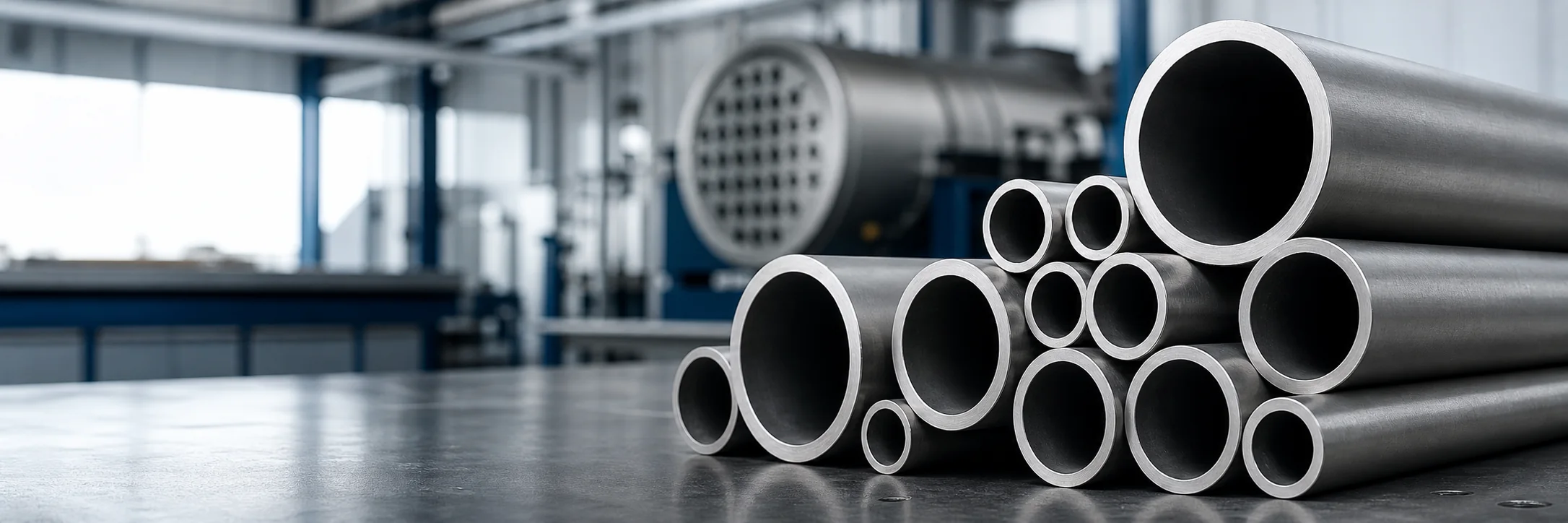
Titanium pipe can be recycled when it is correctly identified, segregated and prepared. The practical value of recovered material depends on alloy grade, cleanliness, service history and the recycling route. Scrap from fabrication is normally easier to control than pipe removed from service because its chemistry and contamination history are better documented.
What Makes Titanium Pipe Suitable for Recycling?
Titanium is not consumed by normal remelting and metal recovery processes in the same way as a disposable material. Clean offcuts, rejected lengths and end trims can therefore return to a controlled metal stream. However, recyclability does not mean that every used pipe can immediately become new pressure-retaining pipe. The recycler and melt shop must verify chemistry and remove contaminants before recovered titanium can be used in an approved feedstock route.
Separate Scrap by Grade and Condition
Grade separation is essential. Commercially pure grades and alloyed grades such as Grade 5 or palladium-bearing grades should not be mixed. Each batch should retain material test report references, heat numbers or positive material identification records where available. Separate clean fabrication scrap from used pipe, welded assemblies, mixed-metal attachments, oily turnings and material with unknown service exposure.
| Scrap source | Main control | Recommended action |
|---|---|---|
| Clean pipe offcuts | Grade and heat traceability | Keep labeled and segregated |
| Removed service pipe | Process residue and service history | Decontaminate and test before acceptance |
| Welded or assembled sections | Dissimilar metals and filler | Remove attachments and classify the remaining metal |
| Turnings or fine scrap | Oil, moisture and high surface area | Store dry in a dedicated closed container |
A Practical Recovery Workflow
- Identify: record grade, specification, heat or batch and previous service.
- Segregate: use dedicated containers for each alloy and scrap condition.
- Prepare: drain, clean and remove coatings, inserts and dissimilar-metal components.
- Verify: use documentation and, when required, positive material identification or laboratory analysis.
- Transfer: send the classified material to a qualified recycler or melt route with the required records.
Procurement Decisions That Support Circular Use
Circularity begins before installation. Selecting the correct grade, avoiding unnecessary oversizing, ordering cut-to-length material and keeping certification records can reduce scrap and make future recovery more reliable. For corrosive or safety-critical service, recycled content does not replace compliance: new pipe must still meet the governing product specification, inspection, test and traceability requirements stated by the purchaser.
FAQ
Can used titanium pipe be reused directly?
Direct reuse requires engineering assessment of dimensions, wall loss, damage, contamination, weld condition, service history and the applicable code. Recycling as metal feedstock and reusing a pressure component are different decisions.
Can different titanium grades be recycled together?
They should be segregated. Mixing commercially pure, alloyed and palladium-bearing grades reduces traceability and may make the batch unsuitable for a controlled melt route.
What information should accompany titanium pipe scrap?
Provide the grade, original standard, heat or batch identification, quantity, form, cleanliness, previous service and any available material test reports or inspection records.
From Lifecycle Planning to a New Pipe Requirement
Review Titanium Pipe & Tube and ASTM B338 Titanium Tube. For a new requirement, define grade, standard, OD, wall thickness, length, condition, testing, certification and quantity with the Titanium RFQ Checklist.