

Is Titanium Magnetic? Everything You Need to Know About Titanium Magnetism
Is Titanium Magnetic?
Titanium is generally considered a non-magnetic metal. Pure titanium and most titanium alloys do not strongly attract magnets like iron, nickel, or cobalt. This unique property makes titanium one of the most important engineering materials used in aerospace, medical, marine, and industrial applications.
Although titanium is technically classified as a paramagnetic material, its magnetic response is extremely weak and usually unnoticeable in everyday applications.
Why Is Titanium Non-Magnetic?
The magnetic behavior of a metal depends on its atomic structure and electron arrangement. Titanium has a crystal structure that does not allow strong magnetic attraction under normal conditions.
Unlike ferromagnetic metals such as iron or carbon steel, titanium cannot retain permanent magnetism after exposure to a magnetic field.
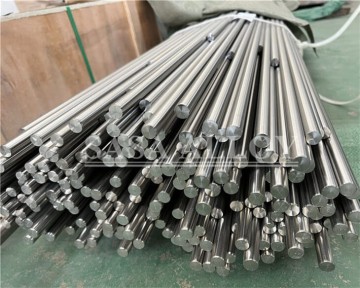
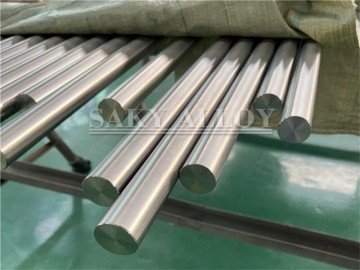
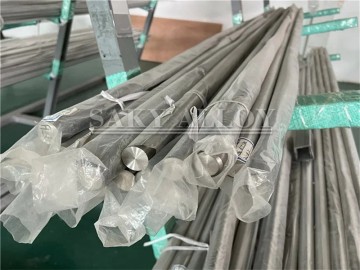
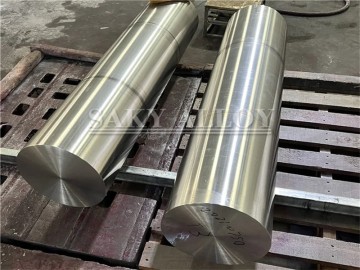
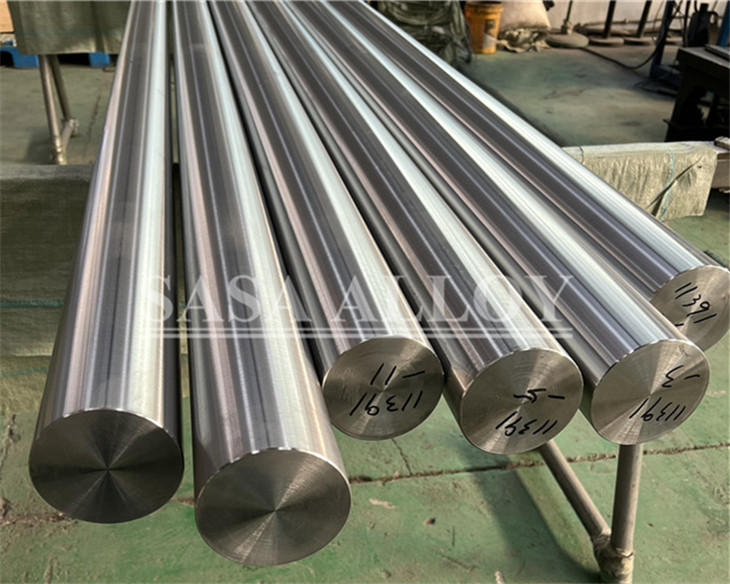
This is why a magnet usually does not stick to titanium products such as titanium bars, titanium rods, titanium plates, or titanium fasteners.
Is Grade 5 Titanium Magnetic?
Grade 5 titanium, also known as Ti-6Al-4V titanium alloy, is one of the most commonly used titanium materials in the world. It is also considered non-magnetic or only very weakly magnetic.
Grade 5 titanium combines:
- High strength
- Excellent corrosion resistance
- Lightweight performance
- Excellent heat resistance
- Low magnetic properties
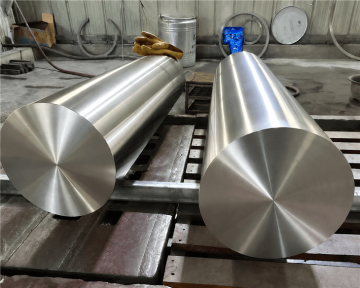
Because of these advantages, Grade 5 titanium round bars and titanium rods are widely used in aerospace structures, medical implants, marine engineering, and precision industrial parts.
Does a Magnet Test Identify Titanium?
No. Commercially pure titanium is weakly paramagnetic, and most titanium alloys do not show the strong attraction associated with ferromagnetic steel. However, a hand magnet cannot verify the titanium grade, chemical composition or compliance with a purchase specification.
For material identification, use the material test report, heat traceability and an appropriate positive material identification or laboratory method. A strongly attracted component should be checked for attached steel parts, surface contamination or possible material misidentification.
Can Titanium Be Used Near MRI Equipment?
Titanium materials are often selected for medical devices because their magnetic response is low, but alloy identity alone does not establish MRI safety or compatibility. The completed device may contain other materials, and the applicable device standard or assessment can address magnetic force, torque, heating, imaging artefact, biocompatibility and documentation. Confirm the finished device and its intended MRI conditions rather than relying on a simple magnet test.
Applications of Non-Magnetic Titanium
The non-magnetic characteristics of titanium make it ideal for industries that require lightweight strength and low magnetic interference.
- Aerospace industry
- Medical industry
- Marine engineering
- Chemical processing
- Electronic equipment
- Precision instruments
- Industrial manufacturing
Advantages of Titanium Materials
| Property | Advantage |
| Magnetic Property | Very Weak / Non-Magnetic |
| Corrosion Resistance | Excellent |
| Strength-to-Weight Ratio | Very High |
| Biocompatibility | Excellent |
| Heat Resistance | Excellent |
Titanium Bar and Titanium Rod Supplier
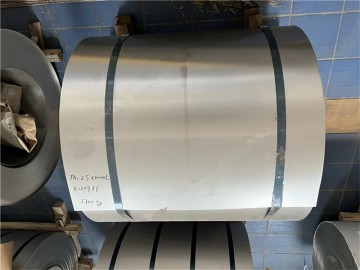
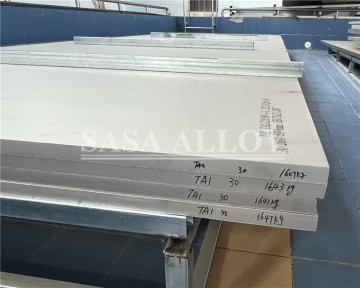
SAKY ALLOY supplies titanium bar, rod, plate, tube, wire and fasteners to specified grade, dimensions, inspection and documentation requirements. We provide high-quality titanium products including:
- Grade 2 Titanium Bar
- Grade 5 Titanium Round Bar
- Ti-6Al-4V Titanium Rod
- Titanium Plates
- Titanium Pipes and Tubes
- Medical Titanium Materials
Conclusion
Titanium is generally regarded as a non-magnetic metal with outstanding corrosion resistance, lightweight performance, and excellent mechanical properties. These advantages make titanium one of the most valuable engineering materials in modern industries.
If you are looking for a reliable titanium supplier or manufacturer, welcome to contact SAKY ALLOY for more information and quotations.
Website: www.sakyalloy.com
Email: sales@sakyalloy.com
Magnet Testing and Titanium Material Verification
A weak response to a handheld magnet is consistent with many titanium grades, but it does not prove that an unknown part is titanium. Austenitic stainless steel, aluminium and other non-ferromagnetic alloys may behave similarly.
| Question | Practical answer |
|---|---|
| Will a magnet normally stick to titanium? | Not strongly under ordinary conditions; titanium is weakly paramagnetic rather than ferromagnetic. |
| Can a magnet identify a titanium grade? | No. Use documentation, traceability and appropriate material verification methods. |
| Does low magnetic response make every titanium item MRI-safe? | No. The complete device, geometry, other materials and clinical or equipment rules must be evaluated by the responsible specialist. |
| What should a buyer specify? | Product form, grade, standard, dimensions, condition, quantity, tests and required documents. |
Review titanium bar, plate and sheet, or standard parts, then request a quotation.