

Is Titanium a Metal
Short answer: Titanium is a metal—specifically a Group 4 transition metal. It is not a nonmetal or metalloid. Its metallic bonding, electrical and thermal conductivity, luster, ductility and ability to form alloys all support that classification.
For purchasing, the classification alone is not enough: specify the titanium grade, product form and governing standard. See titanium bar, plate and sheet, pipe and tube and wire.
Titanium is a material that has captured the attention of engineers, designers, and scientists across industries due to its impressive combination of strength, lightness, and resistance to corrosion. Often associated with aerospace, medical implants, and high-performance products, titanium is indeed a metal. But what exactly makes it a metal, and why is it so highly valued?
This article explores the classification of titanium, its properties, uses, and why it stands out among other metals.
1. Classification of Titanium
Titanium is a metallic element with the chemical symbol Ti and atomic number 22. It is placed in Group 4 of the periodic table, alongside zirconium, hafnium, and rutherfordium. These elements are known as transition metals, characterized by their ability to form various oxidation states and strong metallic bonds.
Key Facts About Titanium:
-
Atomic number: 22
-
Atomic weight: 47.867
-
Density: About 4.51 g/cm³
-
Melting point: 1668°C
-
Crystal structure: Hexagonal close-packed (HCP)
2. Why Titanium Is Classified as a Metal
A substance is classified as a metal based on its physical and chemical characteristics. Titanium fits all these criteria:
-
Metallic Luster: Titanium has a bright, silvery appearance when polished.
-
Electrical Conductivity: Although less conductive than copper or aluminum, titanium conducts electricity like other metals.
-
Malleability and Ductility: Titanium can be formed into sheets, wires, and bars without breaking.
-
High Strength: It exhibits excellent tensile strength and structural stability.
-
Thermal Conductivity: Titanium conducts heat, albeit at a lower rate than some other metals.
These properties confirm that titanium is a true metal with unique advantages.
3. Properties of Titanium as a Metal
Titanium possesses a remarkable balance of properties that make it stand out in the metal family.
3.1 Strength-to-Weight Ratio
Titanium has a lower density than common steels, but strength varies widely with grade, heat treatment, product form and test direction. Compare the governing material specifications rather than assuming equal strength.
3.2 Corrosion Resistance
Titanium forms a protective oxide film and performs well in many oxidizing and chloride-bearing environments, including seawater. Suitability is not universal: actual chemistry, concentration, temperature, aeration, crevices and contaminants must be reviewed.
3.3 Biocompatibility
Selected titanium grades and properly manufactured finished devices are used in medical applications. Biocompatibility and implant suitability depend on the exact specification, processing, surface condition, cleanliness, device design and regulatory controls.
3.4 Heat Resistance
Allowable service temperature depends on alloy, condition, environment, stress and exposure time. Aerospace or elevated-temperature designs must use data and limits from the applicable specification and design authority.
4. Titanium vs. Other Metals
When compared to other metals such as aluminum, stainless steel, and copper, titanium offers unique performance advantages:
-
Titanium vs. Aluminum: Titanium is stronger but heavier; aluminum is more conductive.
-
Titanium vs. Stainless Steel: Titanium has lower density and may provide better corrosion performance in selected environments, but neither material is universally superior.
-
Titanium vs. Copper: Titanium is much lighter and stronger, but copper has higher electrical conductivity.
These comparisons highlight titanium’s suitability for specialized applications where performance matters more than cost.
5. Natural Occurrence of Titanium
Titanium is the ninth most abundant element in Earth’s crust. It is found in minerals such as:
-
Rutile (TiO₂)
-
Ilmenite (FeTiO₃)
-
Anatase (TiO₂)
It is never found in its pure metallic form in nature due to its reactivity with oxygen and other elements. Extraction involves complex processes, such as the Kroll process, to produce commercially pure titanium.
6. Forms of Titanium Products
Titanium is processed into various industrial forms to suit different applications:
-
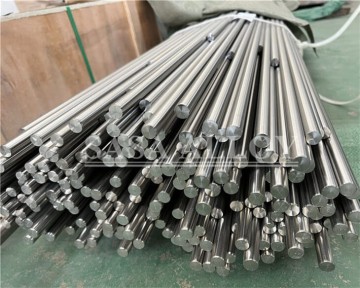
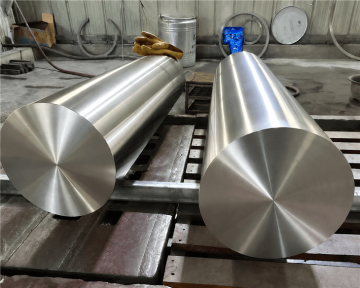
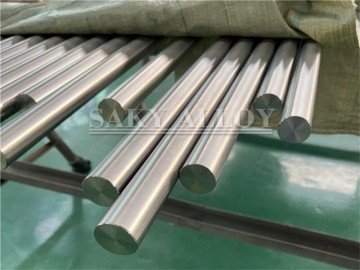
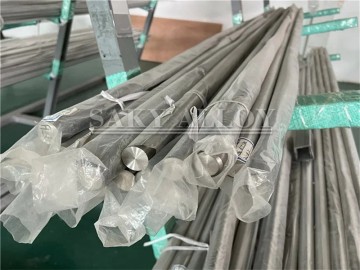
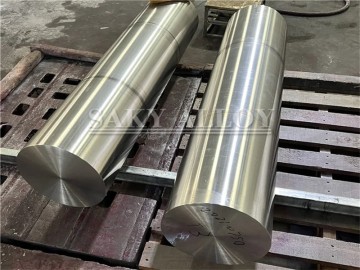
Titanium Bars and Rods – For aerospace, marine, and industrial equipment.
-
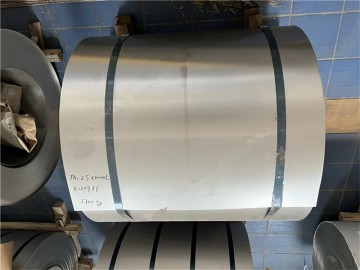
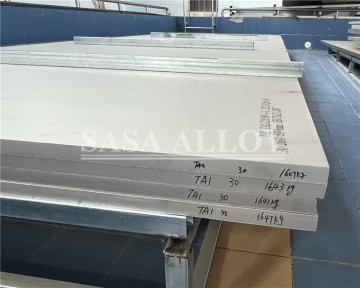
Titanium Sheets and Plates – For chemical processing and architectural projects.
-
Titanium Pipes and Tubes – For heat exchangers and offshore structures.
-
Titanium Wire – For medical devices, springs, and fasteners.
Companies like sakyalloy supply high-grade titanium products to meet demanding industry standards.
7. Common Alloys of Titanium
Pure titanium is often alloyed to improve its properties:
-
Grade 5 (Ti-6Al-4V): The most widely used titanium alloy, combining strength, corrosion resistance, and weldability.
-
Grade 2: Commercially pure titanium with excellent corrosion resistance.
-
Beta Alloys: High strength and good formability for aerospace components.
8. Industrial Applications of Titanium
8.1 Aerospace
Titanium is used in aircraft frames, landing gear, and jet engine components due to its high strength-to-weight ratio and heat resistance.
8.2 Marine
It withstands seawater corrosion, making it ideal for shipbuilding, desalination plants, and offshore platforms.
8.3 Medical
Selected titanium materials are used for dental and orthopedic devices when the specification, manufacturing process, surface, cleanliness and regulatory requirements are satisfied.
8.4 Automotive
High-performance cars use titanium exhaust systems, springs, and connecting rods to reduce weight and improve efficiency.
8.5 Chemical Processing
Titanium equipment is used in selected chemical and chloride-bearing services, but corrosion resistance must be checked against the actual medium, concentration, temperature and equipment geometry.
9. Advantages of Titanium as a Metal
-
Lightweight yet strong
-
Exceptional corrosion resistance
-
High-temperature performance
-
Non-toxic and biocompatible
-
Long lifespan in harsh environments
10. Limitations of Titanium
While titanium is a remarkable metal, it has some limitations:
-
High Cost: More expensive to produce than steel or aluminum.
-
Difficult Fabrication: Requires specialized tools and techniques.
-
Lower Conductivity: Not ideal for applications needing high electrical or thermal conductivity.
11. Titanium’s Role in Modern Technology
From spacecraft to surgical implants, titanium is a critical enabler of advanced technologies. Its role in reducing weight, extending service life, and improving performance ensures its place as one of the most important metals of the 21st century.
12. Future Outlook
Future use will depend on raw-material economics, qualified manufacturing routes, recycling, design requirements and the total installed cost for each application.
13. Conclusion
Titanium is without doubt a metal — specifically, a transition metal with exceptional strength, low density, and outstanding corrosion resistance. Its unique combination of properties makes it indispensable in industries ranging from aerospace and marine to medical and chemical processing.
With continued innovation, the demand for titanium products will only grow, and companies like sakyalloy will continue supplying high-quality titanium materials to meet these needs.
Continue From Material Knowledge to Selection
Use the Grade 2, Grade 5, Grade 7 and Grade 23 selection guide, then review the Titanium Product Categories. When a material requirement is defined, follow the Titanium RFQ Checklist or contact SAKY ALLOY.
Material suitability must be confirmed from the actual environment, load, temperature, fabrication route, applicable standard and responsible engineering approval.
Titanium Metal Product Forms: What Buyers Need to Specify
Titanium is a transition metal, but “titanium metal” is not a complete purchasing description. A usable RFQ must identify the product form, grade, standard, dimensions, condition, quantity and inspection requirements.
| Required product | Typical buying route | Details to provide |
|---|---|---|
| Titanium bar and rod | ASTM B348 or project specification | Grade, diameter or section, length, condition, tolerance and weight |
| Titanium plate and sheet | ASTM B265 or project specification | Grade, thickness, width, length, finish, flatness and quantity |
| Titanium pipe and tube | ASTM B338, B861 or B862 as applicable | Seamless or welded, OD or NPS, wall, length, ends and tests |
| Titanium wire | Product or welding-wire specification | Grade, diameter, coil or spool, surface, quantity and application |
Send a titanium material RFQ with the grade, product form, dimensions, total quantity, standard and destination.