
Titanium Forging: The Perfect Combination of Lightweight and High Strength
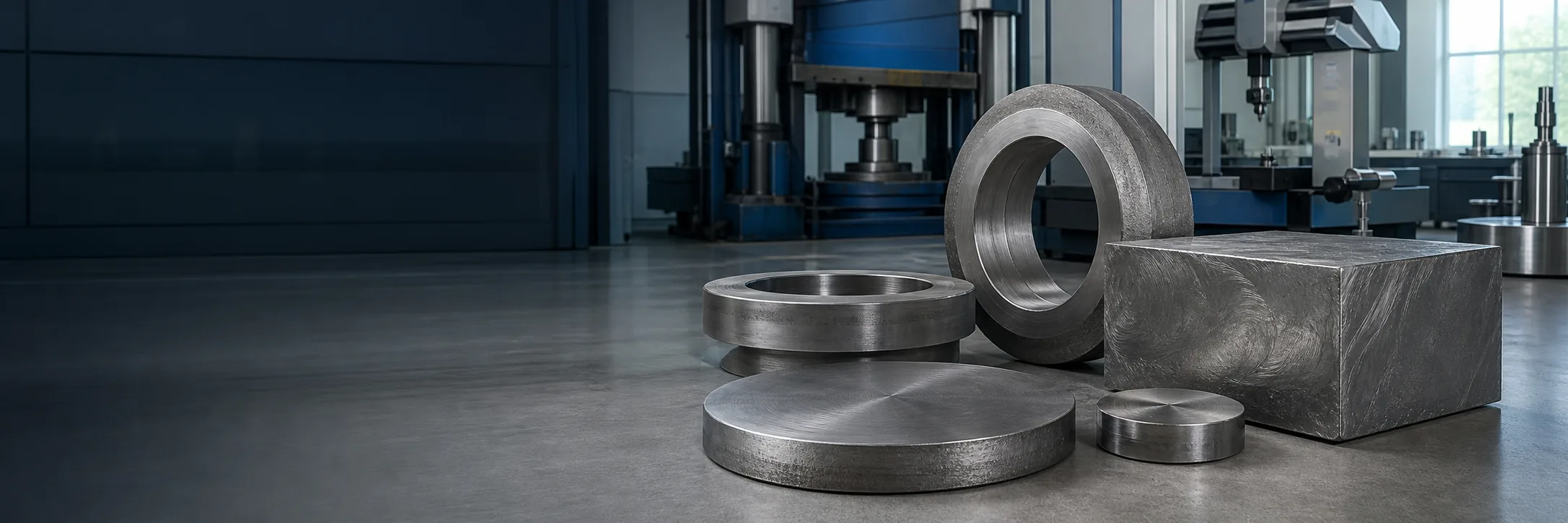
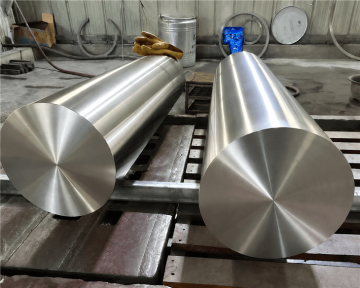
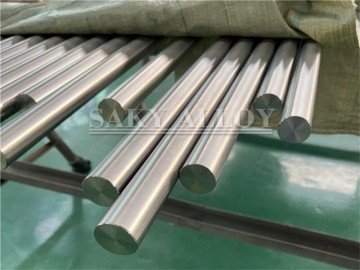
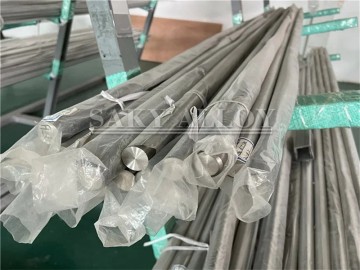
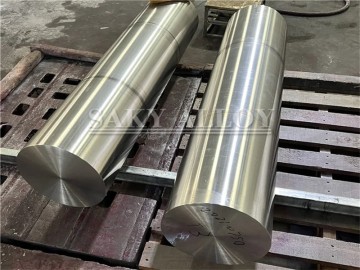
Titanium forgings refer to components or parts made from titanium alloys through the forging process. Forging is a manufacturing method that involves shaping metal using localized compressive forces, typically achieved by hammering, pressing, or rolling.Titanium forgings are known for their exceptional properties, making them widely used in various industries, including aerospace, automotive, medical, and marine applications.
Titanium Forgings Chemical Composition
| Grade | C | O | N | H | Fe |
| Gr.1 | 0.08 max | 0.18 max | 0.03 max | 0.015 max | 0.20 max |
Applications of titanium forgings include aircraft components (such as landing gear and structural elements), automotive parts, medical implants (such as orthopedic implants and dental fixtures), marine components, and various industrial equipment.
Due to their unique combination of properties, titanium forgings play a crucial role in advancing technology, contributing to lighter, more durable, and efficient solutions in various industries.
Why Forging Route Matters
Titanium forgings are used where directional strength, fatigue resistance and reliable internal quality are more important than simply obtaining a near-net shape. The forging process works the billet under controlled temperature and deformation, helping refine the structure and align material flow with the component geometry.
A complete forging requirement should define alloy grade, product or material specification, supplied condition, drawing and revision, machining allowance, heat treatment, surface condition and inspection. Depending on the application, purchasers may also require ultrasonic testing, liquid penetrant testing, dimensional reports, mechanical test results and full heat traceability.
“Lightweight and high strength” is not a universal acceptance criterion. The final component still depends on section size, grain-flow direction, heat treatment, discontinuities, machining transitions and service loads. Critical aerospace, rotating or pressure-related parts require engineering review and the inspection level stated by the governing specification.