
Titanium Bar Purchasing Matrix: Grade, Shape, Condition and Inspection
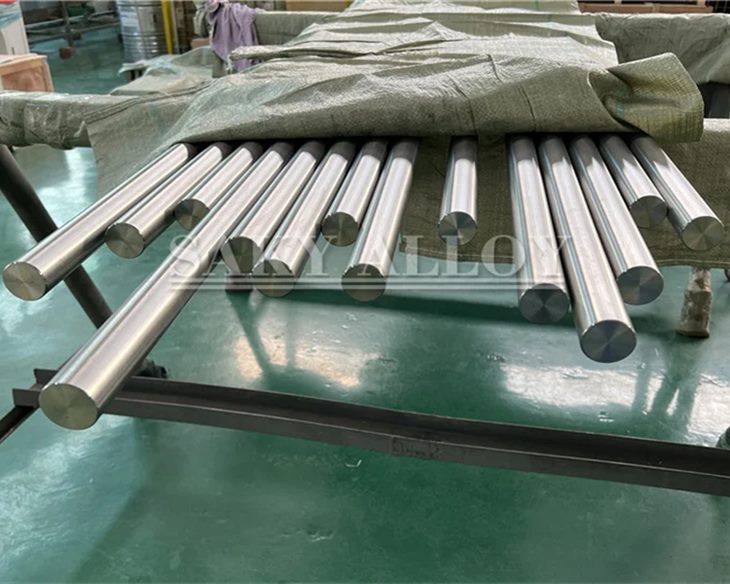
A titanium bar quotation should define grade, governing specification, cross-section, dimensions, condition, tolerance, surface, testing and traceability. Buyers should then match strength, corrosion environment and fabrication route to the finished component.
Selection Matrix
| Option | Purchasing consideration |
|---|---|
| Commercially pure grades | Grade 1 and Grade 2 emphasize ductility and corrosion resistance; Grade 7 and Grade 12 address selected corrosion environments after review. |
| Alloy grades | Grade 5 provides high strength; Grade 9 balances strength and formability; Grade 23 is extra-low-interstitial Ti-6Al-4V for specification-controlled applications. |
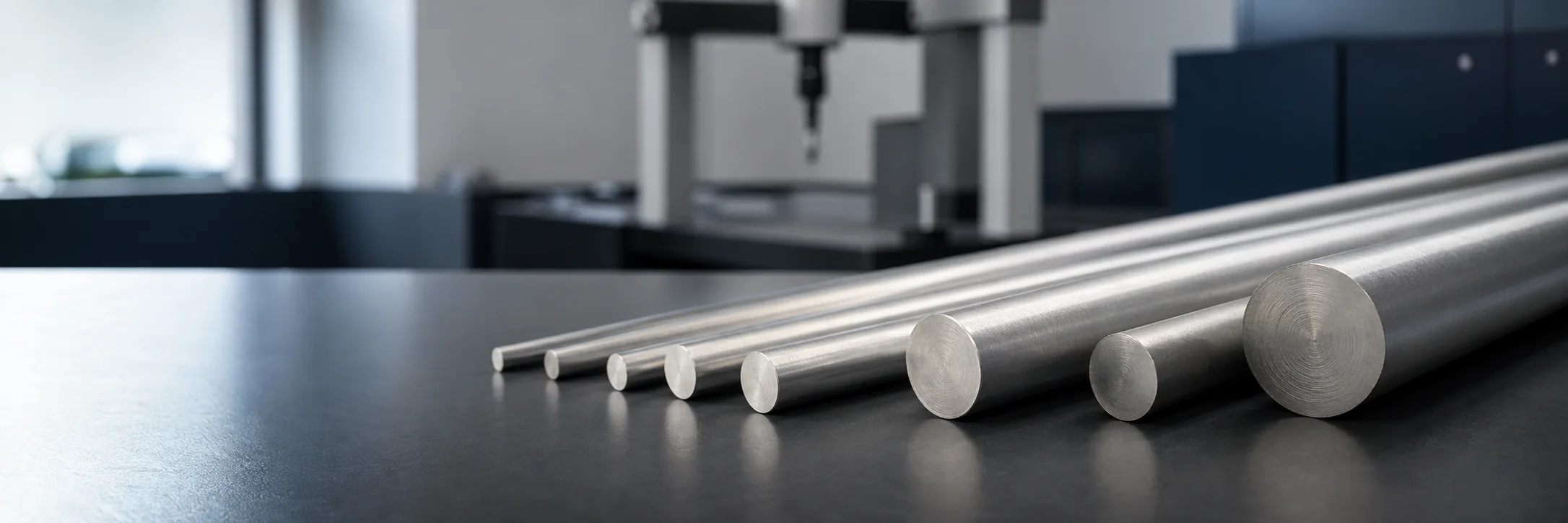
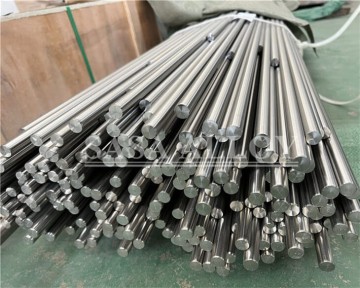
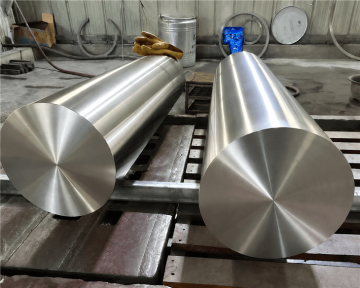
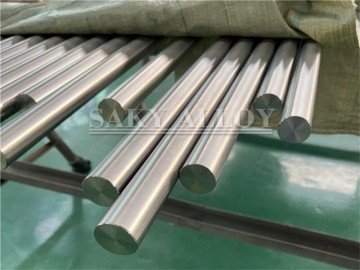
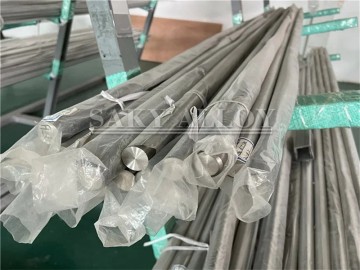
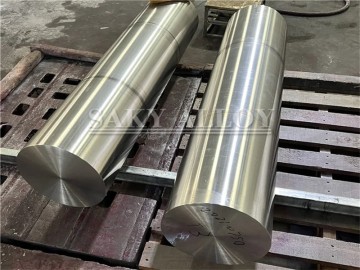
| Shape | Round, hex, square, flat and hollow forms should be selected from the finished machining envelope and available tolerance. |
Products Covered
- ASTM B348 Titanium Bar
- Grade 1 Titanium Rod
- Grade 2 Titanium Bar
- Grade 5 Titanium Round Bar
- Grade 7 Titanium Bar
- Grade 9 Titanium Rod
- Grade 12 Titanium Bar
- Grade 23 Titanium Bar
- Titanium Round Bar
- Titanium Hex Bar
- Grade 5 Titanium Machining Parts
RFQ and Inspection
Provide finished dimensions, machining allowance, grain direction if relevant, heat treatment, straightness, ultrasonic or surface examination, MTC and heat traceability.
Avoid These Purchasing Errors
- Do not use grade alone as the complete product specification.
- Do not copy dimensions from a different product form or standard without review.
- Do not assume a surface appearance proves manufacturing route or certification.
- Do not omit service, mating-component, fabrication or inspection requirements.
Request a Product Review
Send grade, product form, standard or drawing, dimensions, quantity, application, tests and destination. SAKY ALLOY can review the inquiry against the relevant product pages above.
FAQ
Can a quotation be prepared from grade and quantity only?
Only a rough discussion may be possible. A reliable quotation requires product form, dimensions, standard or drawing, condition, tests and documentation.
Should every optional test be requested?
No. Select tests that address the governing specification, service risk and project quality plan. Unnecessary testing can increase cost and lead time without improving suitability.