

What are the applications of Titanium Grade 5 Sheet Plate?
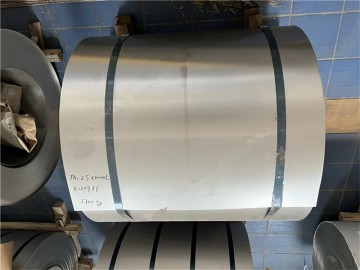
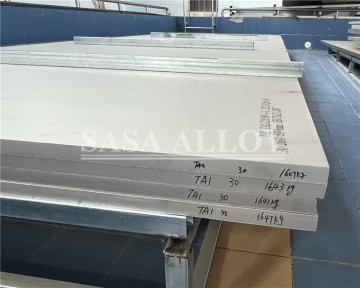
Grade 5 titanium sheet and plate (Ti-6Al-4V, UNS R56400) are used when higher strength than commercially pure titanium is required together with low density and useful corrosion resistance. Application suitability depends on thickness, supplied condition, fabrication route, fatigue demand, temperature and the governing industry specification.
Application and Requirement Matrix
| Decision | Selection control |
|---|---|
| Aerospace structures and components | Require the specified aerospace material standard, condition, traceability and inspection—not a generic commercial certificate |
| Machined industrial components | Control thickness, flatness, machining allowance, orientation and final drawing requirements |
| Chemical and marine equipment | Verify actual fluid, temperature, crevice and galvanic conditions; Grade 5 is not automatically the best corrosion grade |
| Medical devices | Use the required medical material specification and regulated manufacturing route; commercial Grade 5 is not automatically implant grade |
| Performance and sporting components | Evaluate fatigue, joining, surface finish and product liability requirements |
Grade 5 Sheet and Plate RFQ
- Ti-6Al-4V / UNS R56400 and exact specification
- Annealed or other required condition
- Thickness, width, length and tolerances
- Surface, flatness and edge condition
- Cut-to-size or machining allowance
- Ultrasonic or other supplementary inspection when required
- MTR, traceability, quantity and packaging
FAQ
Is Grade 5 always more corrosion resistant than Grade 2?
No. Higher strength does not automatically mean better corrosion performance. Select the grade using the actual medium, temperature and design conditions.
Is Grade 5 the same as Grade 23?
Both are Ti-6Al-4V families, but Grade 23 has extra-low interstitial limits and different specified requirements. They should not be substituted without confirming the governing standard and approval.
Condition Must Be Stated
Do not infer annealed, solution-treated or another condition from the Grade 5 name. The applicable specification, certified condition and required mechanical properties must appear on the purchase order and material test report.
Continue to Grade 5 Plate
Review Titanium Grade 5 Sheet & Plate, the Plate & Sheet category and the Grade 5 vs Grade 23 guide.