

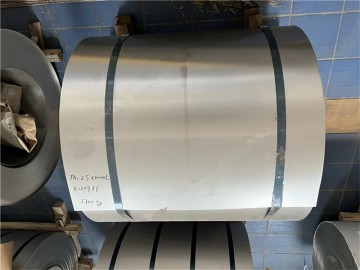
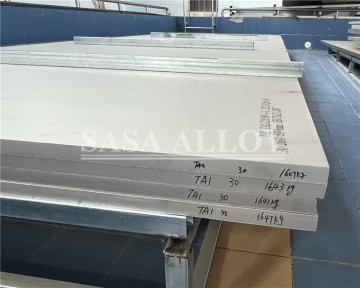
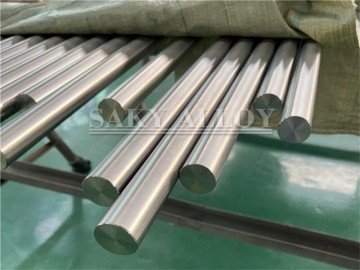
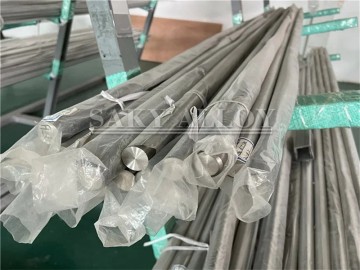
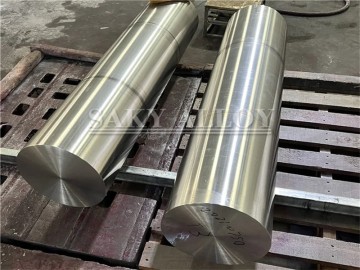
Grade 5 vs Grade 23 Titanium Sheet and Plate
Grade 5 and Grade 23 are both Ti-6Al-4V-family titanium alloys, but Grade 23 is the extra-low-interstitial form. A buyer should choose from the applicable specification, application and qualification route rather than assuming one is a universal upgrade.
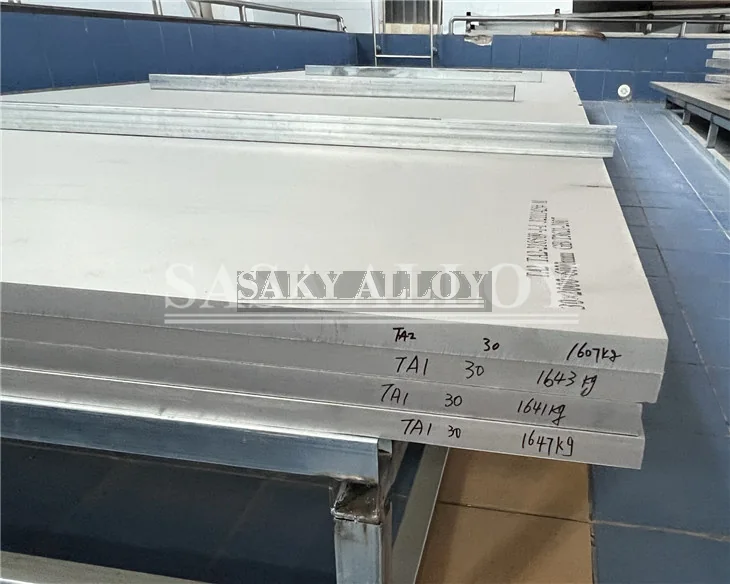
Key Purchasing Differences
| Factor | Grade 5 | Grade 23 |
|---|---|---|
| Alloy family | Ti-6Al-4V | Ti-6Al-4V ELI |
| Interstitial control | Standard Grade 5 limits | Tighter ELI limits under the invoked specification |
| Common standards | ASTM B265 or AMS4911 where applicable | ASTM B265 or ASTM F136 where applicable |
| Common intent | Aerospace, industrial and high-strength components | Implant, fracture-toughness-sensitive and qualified medical components |
Standard Compliance Is More Than Chemistry
ASTM F136 and AMS4911 can include requirements beyond nominal alloy chemistry. Confirm melt practice, condition, dimensions, mechanical testing, microstructure, surface, inspection and documentation from the actual purchase specification.
Match the Material to the Finished Component
State forming, machining, fatigue, fracture toughness, biocompatibility and regulatory requirements. Final device approval and process validation remain the responsibility of the device or component manufacturer.
Request the Correct Ti-6Al-4V Plate
Compare AMS 4911 Grade 5 titanium sheet and plate with ASTM F136 Grade 23 titanium sheet and plate. Include standard revision, dimensions, quantity, tests and documentation in the RFQ.
When Grade 5 and Grade 23 Must Not Be Interchanged
Do not substitute when the drawing, regulatory submission, customer approval, fracture-toughness basis, interstitial limits, melt route or qualified supplier list names one grade or standard. A certificate showing Ti-6Al-4V chemistry alone does not prove compliance with the alternate specification.
Certificate Review
Match the heat number and product form, then verify the invoked standard and revision, grade, condition, chemistry, tensile results, dimensions, melt practice and any microstructure or ultrasonic requirements.
RFQ Checklist
- Grade 5 or Grade 23 and exact specification
- Standard revision and approved-source requirements
- Dimensions, tolerance, condition and finish
- Melt route, microstructure and testing where required
- Quantity, cutting and documentation
Frequently Asked Questions
Is Grade 23 simply a stronger version of Grade 5 titanium?
No. Grade 23 is the extra-low-interstitial form of Ti-6Al-4V. Selection usually focuses on the applicable standard, chemistry limits, fracture-toughness or ductility expectations, quality controls and finished-component requirements rather than assuming a universal strength upgrade.
Can Grade 5 plate be substituted for Grade 23 plate?
Not without design, quality and purchasing approval. The required standard, chemistry limits, qualification route, material documentation and application-specific controls may prohibit substitution even when both materials are described as Ti-6Al-4V.
What should be included in a Grade 5 or Grade 23 plate RFQ?
Specify grade, governing standard and edition, thickness, width, length, tolerance, condition, surface, flatness, quantity, ultrasonic or other testing, material certificate and any medical or aerospace quality requirements.
Grade 5 and Grade 23 Product Specifications
After selecting between standard Ti-6Al-4V and ELI material, review the applicable sheet and plate supply pages before preparing the RFQ.