

Titanium Hex Bar vs Round Bar vs Flat Bar
Choose titanium bar shape from the finished machining envelope, stock availability, workholding and required dimensional control. The closest practical shape may reduce material removal, but a special shape is not economical when availability, tolerance or minimum quantity outweighs the machining saving.
Shape Comparison
| Stock form | Common finished geometry | Key purchasing control |
|---|---|---|
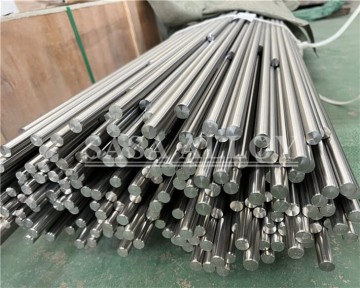
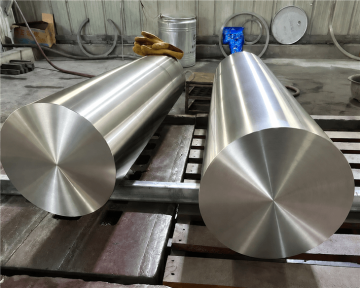
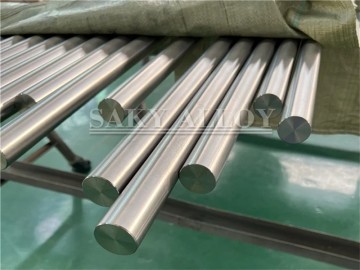
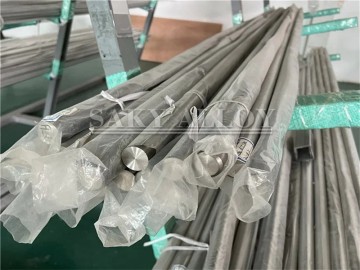
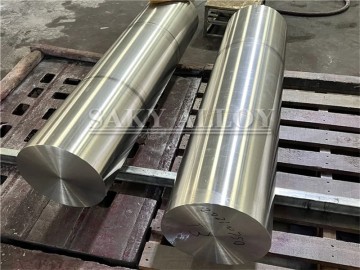
| Round bar | Shafts, pins, sleeves, rings and turned parts | Diameter, ovality, straightness and length |
| Hex bar | Nuts, fittings, valve and instrument bodies | Across flats, corner condition, twist and length |
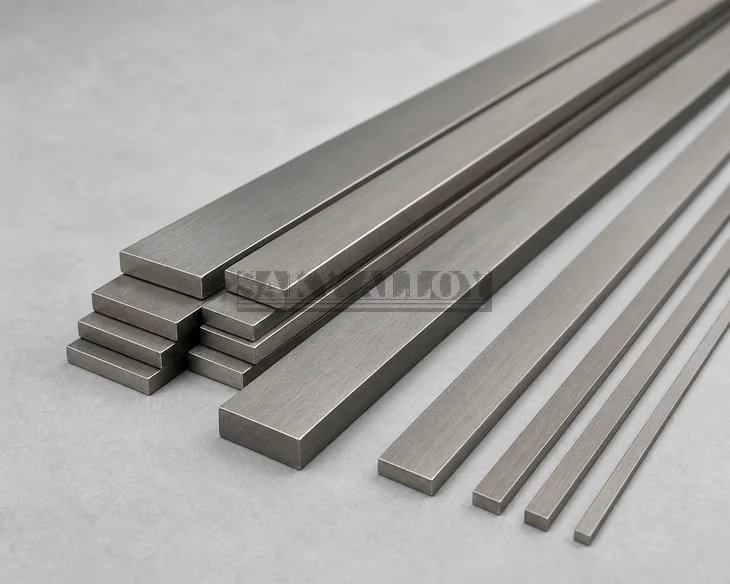
| Flat bar | Brackets, rectangular blocks and milled parts | Thickness, width, edge, flatness and camber |
Machining Yield and Workholding
Compare the purchased cross-sectional area with the finished envelope, including cleanup and cut allowance. Hex and flat stock can provide ready workholding faces; round stock is widely available and suits turning. Final selection should consider setup stability, grain-flow requirements where applicable and qualified machining practice.
Tolerance and Availability
Do not copy finished dimensions directly into a stock RFQ. Define tolerance, straightness, flatness, twist, edge or corner condition, length and machining allowance. Confirm grade, condition, size range and quantity before freezing the drawing around a less available stock form.
Browse Titanium Bar Options
Start with Titanium Round Bar, Titanium Hex Bar, grade-specific Grade 2 Flat Bar and the complete Titanium Bar & Rod category.
RFQ Checklist
- Finished-part envelope and preferred stock form
- Grade, standard, condition and dimensions
- Tolerances, length and machining allowance
- Surface, inspection, MTC and traceability
- Quantity, application and delivery destination
FAQ
Is the closest stock shape always the lowest-cost choice?
No. Compare material yield with availability, minimum quantity, tolerance, workholding and processing cost.
Can round bar be machined into a hex component?
Yes when sufficient stock and machining allowance are provided; the economic choice depends on size and quantity.
Related Reading
Titanium Bar Purchasing Matrix · Specify Hex and Flat Bar · Grade 2 vs Grade 5 Bar