
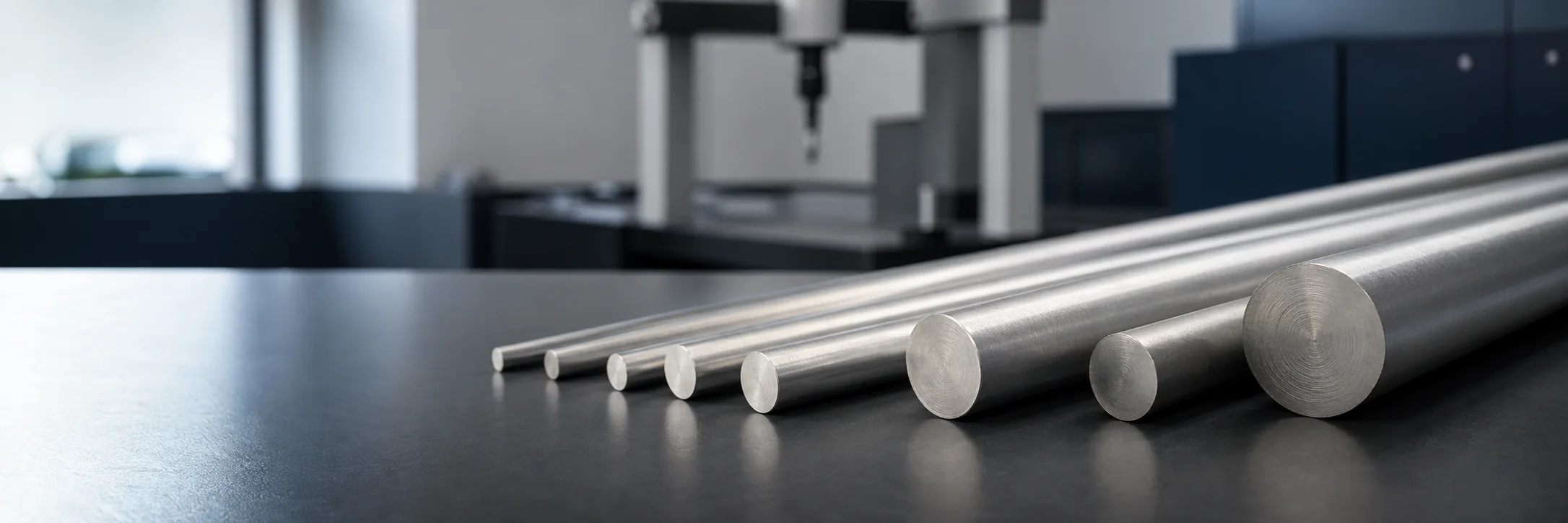
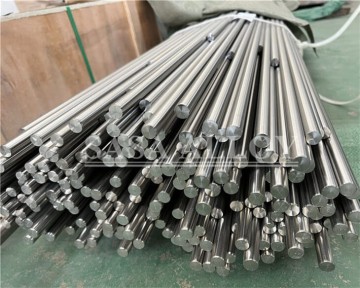
Grade 2 vs Grade 5 Titanium Bars for Machining
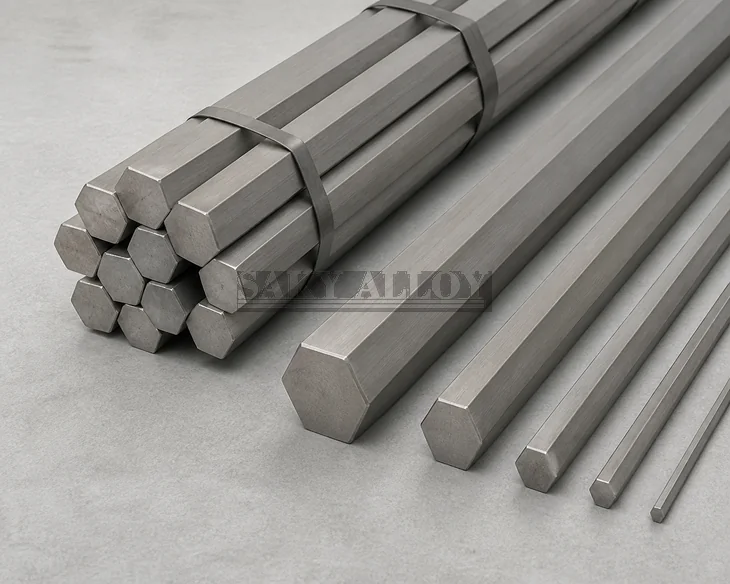
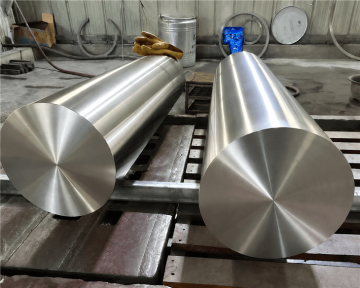
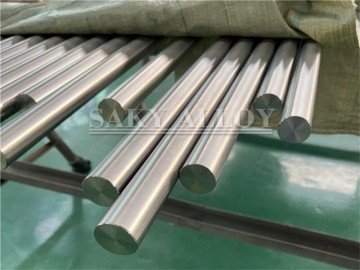
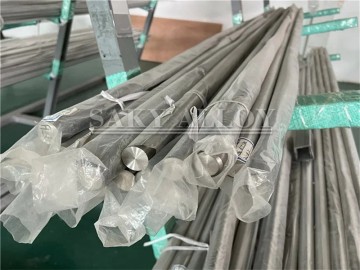
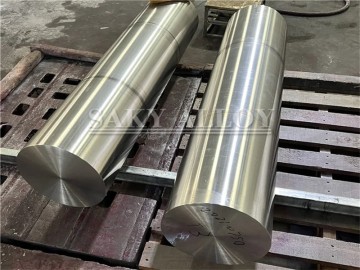
Grade 2 titanium bar is commercially pure titanium selected primarily for corrosion resistance and formability, while Grade 5 Ti-6Al-4V bar is selected when higher material strength is required. Neither grade should replace the other without reviewing service, design data, fabrication and qualification.
Grade 2 vs Grade 5
| Item | Grade 2 | Grade 5 |
|---|---|---|
| UNS / family | R50400, commercially pure | R56400, Ti-6Al-4V alpha-beta alloy |
| Selection emphasis | Corrosion resistance, ductility and general process service | Higher strength and performance-critical components |
| Machining review | Tooling, heat control, surface integrity, galling risk and dimensional stability | |
| Engineering review | Environment, allowable properties, fatigue, joining, inspection and governing specification | |
Strength Does Not Decide Corrosion
Grade 5 being stronger does not make it universally more corrosion resistant. Evaluate the actual chemical environment, temperature, crevices, galvanic coupling and fabrication condition. Select from approved corrosion and design data for the service.
Machining and Finished-Part Qualification
Define stock condition, surface and machining allowance. Critical parts may require controls for heat generation, contamination, tool condition, residual stress, surface finish and non-destructive examination. Bar certificates do not by themselves qualify the finished component.
Inspection and Traceability
State material standard, dimensions and tolerances, mechanical tests, MTC, heat traceability, PMI or third-party inspection where required. Finished dimensions and acceptance criteria belong on the controlled drawing.
Select Grade and Stock Shape
Compare Grade 2 Hex Bar, Grade 5 Hex Bar, Grade 2 Flat Bar, Grade 5 Flat Bar and ASTM B348 Titanium Bar.
RFQ Checklist
- Grade, standard/revision, condition and stock form
- Dimensions, tolerances, length and allowance
- Service environment and finished-part function
- Surface, testing, certificates and traceability
- Quantity, packaging and destination
FAQ
Can Grade 5 replace Grade 2 to reduce diameter?
Only after design, corrosion, fatigue, stiffness, joining and specification review.
Is Grade 2 always easier to machine?
Do not rely on a universal ranking; machinability depends on condition, geometry, tooling, parameters and acceptance requirements.
Related Reading
Titanium Bar Purchasing Matrix · Hex vs Round vs Flat Bar · Specify Hex and Flat Bar