

Why Grade 7 Titanium Is Used in Acid Processing Equipment
Grade 7 titanium is used in acid processing equipment because a small palladium addition improves the stability of titanium’s protective oxide film in reducing or weakly oxidizing acidic environments. It combines this enhanced corrosion resistance with the formability and weldability expected from commercially pure titanium.
What Is Grade 7 Titanium?
Grade 7 titanium is a corrosion-resistant alpha titanium grade identified as UNS R52400. Its base chemistry and mechanical behaviour are similar to Grade 2, but it contains a controlled palladium addition. The palladium promotes a more noble surface response and helps the passive titanium oxide film reform when the environment becomes difficult for unalloyed titanium.
| Property | Grade 7 titanium | Why it matters |
|---|---|---|
| UNS designation | R52400 | Supports clear international material identification |
| Palladium | 0.12–0.25% | Improves passivation in selected acid environments |
| General character | Commercially pure titanium with Pd | Retains useful ductility and fabrication characteristics |
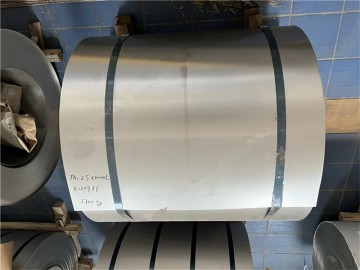
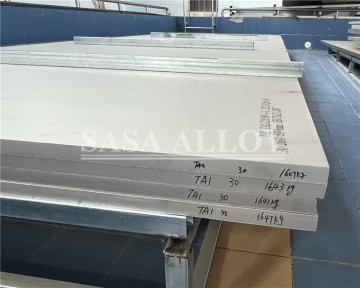
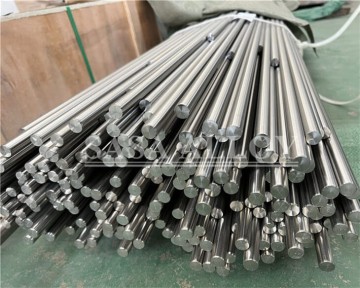
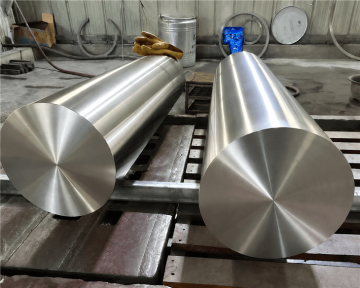
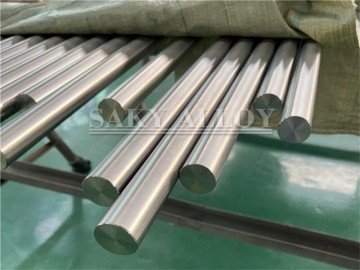
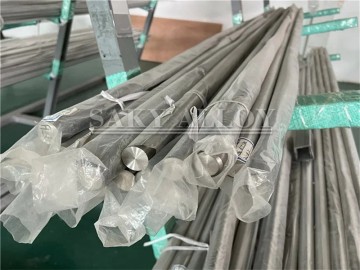
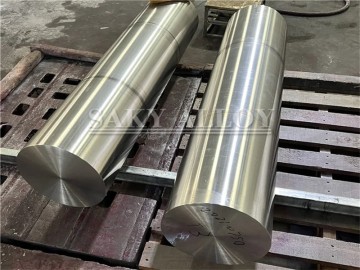
| Typical product forms | Plate, sheet, bar, tube, pipe, fittings and forgings | Enables complete process-equipment systems |
Why Does Palladium Improve Acid Resistance?
Titanium owes much of its corrosion resistance to a thin, adherent and self-healing oxide film. In strongly reducing conditions, the electrochemical potential of unalloyed titanium can fall into a region where that film is less stable. The palladium in Grade 7 shifts the surface behaviour in a more noble direction and facilitates cathodic reactions, helping the protective film remain active or re-form.
This does not mean Grade 7 is immune to every acid. Corrosion behaviour can change sharply with temperature, concentration, aeration, metal-ion contamination, crevices and process upsets. Published corrosion tables are useful for preliminary screening, but critical equipment should be confirmed through current supplier data, a qualified corrosion specialist or representative coupon testing.
Grade 7 vs Grade 2: When Is the Upgrade Justified?
Grade 2 is the usual commercial baseline for titanium process equipment. Grade 7 becomes attractive when the expected service approaches or exceeds the comfortable corrosion limits of Grade 2, especially where localized attack or loss of passivity would create unacceptable reliability risk.
| Selection factor | Grade 2 | Grade 7 |
|---|---|---|
| Alloy concept | Commercially pure titanium | Commercially pure titanium plus Pd |
| General oxidizing/chloride service | Often highly effective | Effective, but may be unnecessary |
| Selected reducing-acid conditions | More limited | Broader useful range |
| Relative material cost | Lower | Higher due to palladium |
| Best decision basis | Lifecycle cost, verified corrosion data and consequence of failure | |
Typical Acid Processing Applications
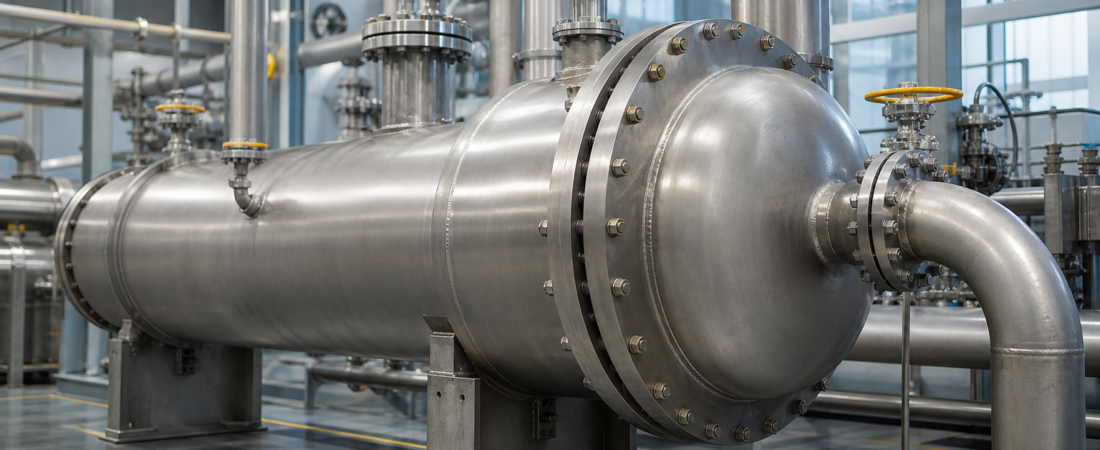
- Heat exchangers: tubes, tubesheets, shells and channel components handling corrosive process streams.
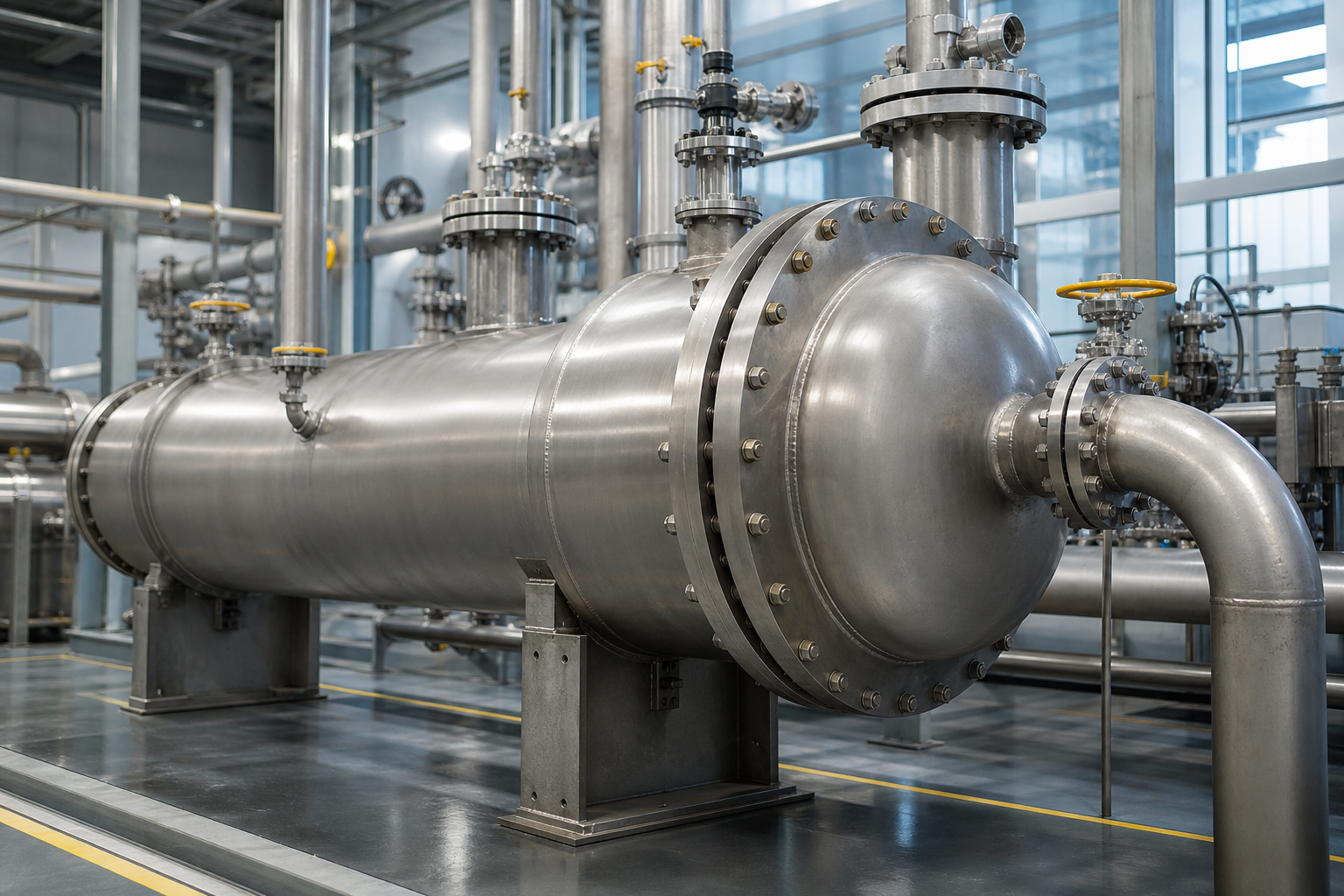
- Pressure vessels and reactors: solid-titanium or clad construction where contamination control and long service life are important.
- Piping systems: pipe, elbows, tees, reducers and flanges for acid transfer and recirculation.
- Columns and internals: trays, distributors, demisters and structural parts exposed to corrosive vapour or liquid.
- Pumps and valves: wetted components where alloy compatibility has been validated.
- Pickling, hydrometallurgy and chlor-alkali equipment: selected duties involving acidic and chloride-bearing process media.
Which Product Standards Apply?
The correct standard depends on the supplied form, not only the grade. Common specifications include ASTM B265 for sheet and plate, ASTM B348/B348M for bar and billet, ASTM B338 for condenser and heat-exchanger tube, ASTM B861 for seamless pipe, ASTM B862 for welded pipe, ASTM B363 for fittings and ASTM B381 for forgings.
Buyers should state the exact standard revision, Grade 7 designation, dimensions, tolerances, condition, surface finish, testing, inspection and documentation. For pressure equipment, the project design code and any additional purchaser requirements must also be identified.
Fabrication and Welding Considerations
Grade 7 can be formed and welded using established commercially pure titanium practices. Cleanliness is critical. Oil, moisture, fingerprints, iron contamination and shop debris should be controlled before welding. The molten weld and hot heat-affected zone require effective inert-gas shielding until the metal has cooled sufficiently.
Equipment designers should also address crevices, galvanic coupling, erosion, residual stress and access for inspection. Material choice cannot compensate for poor geometry or inadequate welding procedures. Welding procedure qualification, welder qualification and acceptance criteria should follow the applicable construction code.
What Buyers Should Include in an RFQ
- Product form and applicable ASTM, ASME or project specification.
- Grade 7 / UNS R52400 and the required material condition.
- Dimensions, tolerances, quantity and cutting allowance.
- Operating acid, concentration, temperature and known contaminants.
- Required corrosion allowance and design code, where applicable.
- Nondestructive testing, hydrostatic testing or supplementary requirements.
- Mill test certificate, heat traceability and third-party inspection needs.
- Surface condition, marking, packaging, delivery location and required date.
Frequently Asked Questions
Is Grade 7 titanium the same as Grade 2?
No. Their base characteristics are similar, but Grade 7 contains 0.12–0.25% palladium to improve corrosion resistance in selected environments.
Is Grade 7 suitable for sulfuric or hydrochloric acid?
It may be suitable for specific combinations of concentration, temperature and impurities, but no universal yes/no answer is safe. Confirm the precise process conditions with current corrosion data or testing.
Can Grade 7 be welded?
Yes. It is routinely welded when surfaces are clean and the weld and heat-affected zone receive adequate inert-gas shielding.
Why not use Grade 7 for every titanium system?
The palladium addition increases cost. Grade 2 is often fully adequate in many oxidizing, chloride and seawater services, so Grade 7 should be selected where its additional corrosion margin provides lifecycle value.
Need Grade 7 Titanium for an Acid Service?
Send SAKY ALLOY the product form, specification, size, quantity and process conditions. Our team can prepare a material quotation with available testing and documentation options.
Request a Grade 7 Titanium QuoteTechnical note: This article supports preliminary material selection and procurement planning. It does not replace engineering review, the applicable construction code or service-specific corrosion testing.