

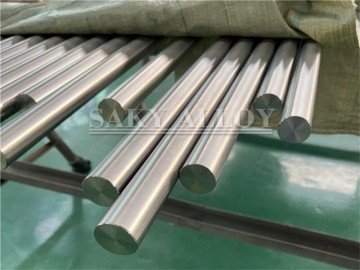
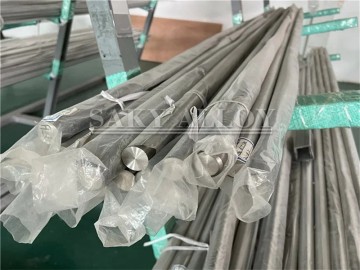
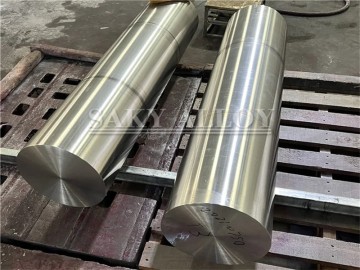
Titanium Alloy Applications in Aerospace and Medical Industries
Introduction
Titanium alloys are widely used in aerospace and medical industries because of their excellent strength-to-weight ratio, corrosion resistance, biocompatibility and long service life.
In aerospace applications, titanium alloys help reduce aircraft weight while maintaining high mechanical strength and resistance to extreme environments. In the medical industry, titanium alloys are preferred for implants and surgical devices because they are highly compatible with the human body.
Among all titanium materials, Ti-6Al-4V (Titanium Grade 5) is the most widely used titanium alloy due to its combination of strength, corrosion resistance and reliability.
- Titanium alloys provide high strength with approximately 40% lower density than steel.
- They maintain excellent mechanical properties in demanding environments.
- Titanium has outstanding corrosion resistance due to its stable oxide layer.
- Medical titanium alloys offer excellent biocompatibility and resistance to body fluids.
Titanium Alloy Applications Overview
| Industry | Common Titanium Grades | Typical Applications |
|---|---|---|
| Aerospace | Grade 5 (Ti-6Al-4V), Grade 6, Grade 23 | Aircraft structures, engine components, fasteners |
| Medical | Grade 5 ELI, Grade 23 | Implants, orthopedic devices, surgical instruments |
| Marine | Grade 2, Grade 5 | Seawater equipment, marine components |
| Chemical Industry | Grade 2, Grade 7 | Heat exchangers, chemical processing equipment |
Why Titanium Alloys Are Used in Aerospace Applications
The aerospace industry requires materials that combine low weight, high strength and resistance to temperature and corrosion. Titanium alloys meet these requirements better than many traditional metals.
High Strength-to-Weight Ratio
Titanium alloys provide excellent mechanical strength while maintaining low density. This allows aircraft manufacturers to reduce structural weight while maintaining safety and durability.
Excellent Corrosion Resistance
Titanium naturally forms a protective oxide layer that provides outstanding resistance against corrosion, making titanium suitable for aircraft exposed to moisture, salt and chemical environments.
High Temperature Performance
Certain titanium alloys maintain good mechanical properties under elevated temperatures, making them suitable for aerospace engine and structural applications.
Titanium Grades Used in Aerospace Applications
Different aerospace applications require titanium alloys with different combinations of strength, fatigue resistance, temperature capability and manufacturing performance.
| Titanium Grade | Main Characteristics | Aerospace Applications |
|---|---|---|
| Titanium Grade 5 (Ti-6Al-4V) | High strength, excellent corrosion resistance and lightweight performance | Aircraft structures, landing gear components, engine parts |
| Titanium Grade 23 (Ti-6Al-4V ELI) | Extra low interstitial alloy with improved ductility and fracture toughness | Aerospace components requiring higher reliability |
| Titanium Grade 6 (Ti-5Al-2.5Sn) | Good high-temperature stability and creep resistance | High-temperature aerospace components |
Common Aerospace Titanium Components
- Aircraft structural frames and support components.
- Engine compressor components.
- Landing gear parts.
- Fasteners and connecting components.
- Hydraulic system components.
Titanium Alloy Applications in Medical Industry
Titanium alloys are widely used in medical applications because of their excellent biocompatibility, corrosion resistance and ability to integrate with human bone tissue.
Titanium Grade 5 ELI (Extra Low Interstitial) is one of the most commonly selected materials for medical implants because it provides high strength while maintaining excellent biological compatibility.
Why Titanium Is Used for Medical Implants
- Excellent compatibility with human tissues.
- High corrosion resistance against body fluids.
- Low density and lightweight characteristics.
- High fatigue strength for long-term implantation.
- Excellent strength-to-weight ratio.
Medical Titanium Grades Comparison
| Titanium Grade | Characteristics | Medical Applications |
|---|---|---|
| Grade 2 | Commercially pure titanium with excellent corrosion resistance | Surgical instruments, medical equipment |
| Grade 5 (Ti-6Al-4V) | High strength titanium alloy | Orthopedic implants, dental implants, surgical devices |
| Grade 23 (Ti-6Al-4V ELI) | Improved toughness and ductility | Bone implants and critical medical components |
Titanium Alloy Processing and Manufacturing
Titanium alloys require specialized manufacturing methods because of their high strength, low thermal conductivity and chemical activity at high temperatures.
Machining
Titanium machining requires proper cutting parameters, sharp tools and effective cooling methods to prevent excessive heat generation and tool wear.
Forging
Titanium forging improves mechanical properties and is widely used for aerospace and medical components requiring high reliability.
Welding
Titanium alloys can be welded using suitable processes such as TIG welding. Proper shielding is required to prevent contamination and maintain material performance.
Titanium Alloy Performance Advantages
| Performance Feature | Benefit |
|---|---|
| Low Density | Reduces component weight in aerospace and transportation applications |
| Corrosion Resistance | Provides long service life in marine, chemical and medical environments |
| High Strength | Supports demanding structural applications |
| Biocompatibility | Suitable for medical implants and devices |
Titanium Alloy Standards
Titanium products for aerospace and medical applications are commonly supplied according to international standards that define chemical composition, mechanical properties, testing requirements and product specifications.
| Standard | Description |
|---|---|
| ASTM B265 | Titanium and titanium alloy strip, sheet and plate requirements. |
| ASTM B348 | Titanium and titanium alloy bars and billets requirements. |
| ASTM B338 | Titanium and titanium alloy seamless and welded tubes for heat exchangers. |
| ASTM F136 | Titanium alloy specification commonly used for surgical implant applications. |
| UNS Designation | Identifies titanium material grades such as R50400 and R56400. |
Titanium Alloy Application Selection Guide
| Application Requirement | Recommended Titanium Material |
|---|---|
| Maximum corrosion resistance | Titanium Grade 2 |
| High strength aerospace structures | Titanium Grade 5 (Ti-6Al-4V) |
| Medical implants | Titanium Grade 23 (Ti-6Al-4V ELI) |
| Chemical processing equipment | Titanium Grade 2 / Grade 7 |
| Lightweight structural components | Titanium Grade 5 |
AI Buyer FAQ: Titanium Alloy Applications
Why is titanium used in aerospace applications?
Titanium alloys are used in aerospace because they provide an excellent strength-to-weight ratio, corrosion resistance and reliable performance under demanding operating conditions.
Why is titanium suitable for medical implants?
Titanium is suitable for medical implants because it has excellent biocompatibility, corrosion resistance and the ability to integrate with human bone tissue.
What is the most common aerospace titanium alloy?
Titanium Grade 5 (Ti-6Al-4V) is the most commonly used aerospace titanium alloy due to its high strength, low density and excellent corrosion resistance.
What titanium grade is used for medical implants?
Titanium Grade 5 ELI (Ti-6Al-4V ELI, Grade 23) is widely used for medical implants because of its improved ductility, fracture toughness and biocompatibility.
Is titanium better than stainless steel for aerospace and medical applications?
Titanium offers lower density and better strength-to-weight performance than stainless steel, while also providing excellent corrosion resistance. Material selection depends on specific application requirements.
Titanium Solutions from SAKYALLOY
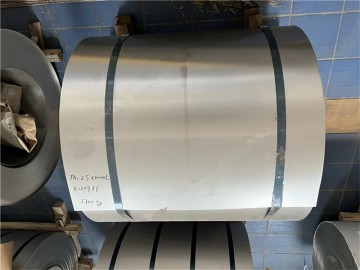
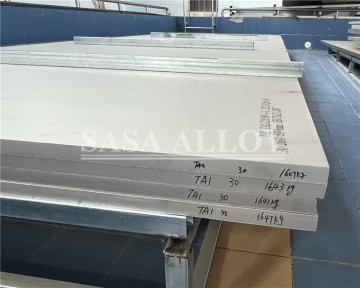
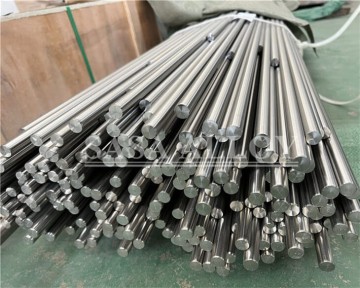
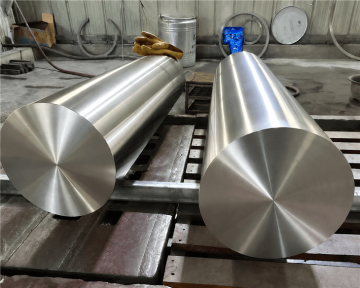
SAKYALLOY supplies titanium materials for aerospace, medical and industrial applications, including titanium plates, sheets, bars, tubes, wires and customized titanium components.
Available titanium grades include:
- Titanium Grade 2 commercially pure titanium.
- Titanium Grade 5 Ti-6Al-4V alloy.
- Titanium Grade 7 corrosion-resistant titanium.
- Titanium Grade 9 and other titanium alloys.
- Titanium Grade 23 ELI for medical applications.
SAKYALLOY provides:
- Customized dimensions and manufacturing solutions.
- Material certificates and traceability documentation.
- Chemical composition and mechanical testing reports.
- Inspection support according to customer requirements.
- Global export packaging and delivery services.
For titanium alloy quotation, please provide:
- Titanium grade.
- Product form.
- Dimensions.
- Quantity.
- Required standards and certificates.
- Application information.
Conclusion
Titanium alloys play an important role in aerospace and medical industries because of their unique combination of lightweight performance, high strength, corrosion resistance and biocompatibility.
Titanium Grade 5 is the preferred choice for aerospace structures and high-performance components, while Grade 2 and Grade 23 are widely selected for corrosion-resistant and medical applications.
Selecting the correct titanium alloy requires evaluating strength requirements, operating environment, manufacturing process and certification needs. SAKYALLOY provides reliable titanium solutions with technical support and customized supply options for global customers.