

Titanium Plate Cut to Size: Saw, Waterjet and Laser RFQ Guide
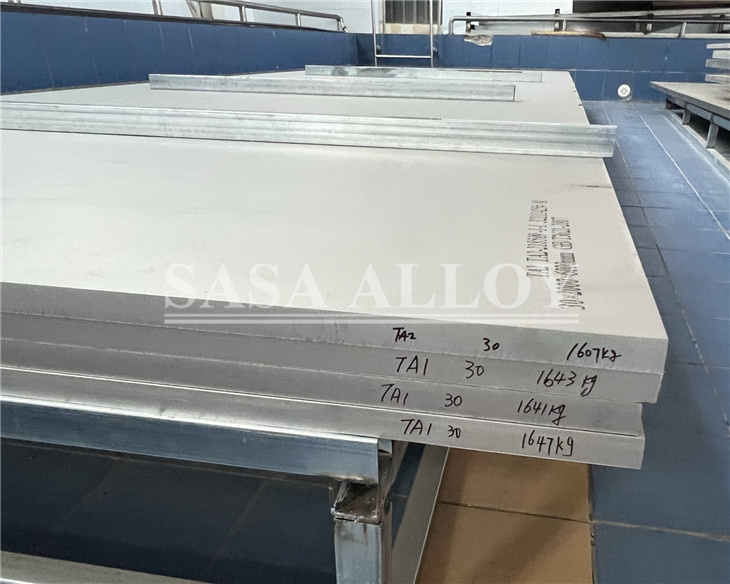
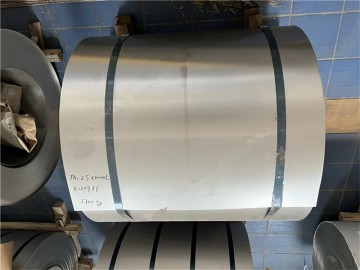
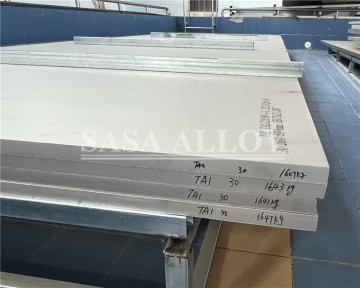
Cut-to-size titanium plate can reduce handling and rough-machining time, but the cutting route must match the final part, thickness, edge allowance and inspection plan. A useful RFQ defines the material first, then the blank geometry and the condition in which dimensions will be accepted.
Quick Selection: Which Cutting Method Fits the Order?
| Method | Typical purchasing advantage | Points to define |
|---|---|---|
| Band saw | Straight cuts, rectangles and oversize blanks; practical for thicker stock | Kerf, squareness, burr removal and machining allowance |
| Abrasive waterjet | Profiles and nested blanks without a thermal heat-affected zone | Taper, edge striation, pierce location and finish allowance |
| Laser | Fast, repeatable contours when the grade, thickness and equipment route are qualified | Edge oxidation, dross, thermal effects and whether the edge will be removed |
| Machining | Tighter finished features after a rough blank is produced | Datum, tolerances, corner radii, holes and inspection method |
Start With the Material Specification
State the grade, governing specification and required condition before discussing the cut shape. ASTM B265 covers titanium and titanium-alloy strip, sheet and plate, but the purchase order still needs the grade, dimensions, condition, surface and applicable supplementary requirements. Review the ASTM B265 titanium plate product page or the complete titanium plate and sheet range.
Heat-Affected Edge or Cold-Cut Edge?
Waterjet and saw cutting avoid the thermal edge condition associated with fusion cutting. Laser cutting can be suitable for qualified thicknesses and downstream routes, but buyers should not assume that every laser-cut edge is acceptable as a final functional surface. If the drawing requires a machined edge, critical fatigue performance, welding preparation or a controlled surface layer, state the removal allowance and final inspection requirement.
Dimensions, Tolerance and Flatness
Do not use one tolerance for stock plate, rough-cut blanks and finished machined parts. Define whether length and width are nominal stock dimensions, guaranteed blank dimensions or final dimensions after machining. Also specify how flatness will be measured, the support condition, the reference standard or drawing, and whether residual distortion after profile cutting is acceptable.
| RFQ item | What the buyer should state |
|---|---|
| Material | Grade, ASTM/ASME/AMS or project specification, edition and condition |
| Starting stock | Plate thickness and acceptable stock-size route |
| Blank | Length × width or drawing/profile file, quantity and nesting restrictions |
| Allowance | Per edge or per diameter; identify finished and rough dimensions |
| Edges | As-cut, deburred, ground or machined; define thermal-layer removal if required |
| Inspection | Dimensional report, flatness method, surface checks and traceability |
Cost Drivers for Bulk Plate Orders
Total weight, grade, thickness, stock utilization, number of different shapes, tolerance, edge finishing, inspection and packaging all affect price. For larger orders, provide a cut list and identify which blanks may share a heat or production lot. A lower-cost alternative should be evaluated against the design and service requirements rather than selected from price alone.
FAQ
Does waterjet cutting keep titanium plate perfectly flat?
No cutting method guarantees flatness by itself. Incoming plate condition, thickness, residual stress, profile geometry, support and the cutting sequence all affect the result. Define the required flatness and measurement method in the RFQ.
Is laser cutting always unsuitable for titanium?
No. Suitability depends on thickness, equipment, gas, process qualification and the final edge requirement. Critical edges may require removal or inspection after thermal cutting.
How much machining allowance should be added?
There is no universal value. The allowance should reflect thickness, cutting method, profile size, required tolerance, edge condition and the machining plan.
Request Bulk Cut-to-Size Titanium Plate
Send the grade, specification, thickness, blank drawing or cut list, total weight, edge condition, tolerances, inspection, packing and destination. We will review the practical supply and processing route before quotation.