
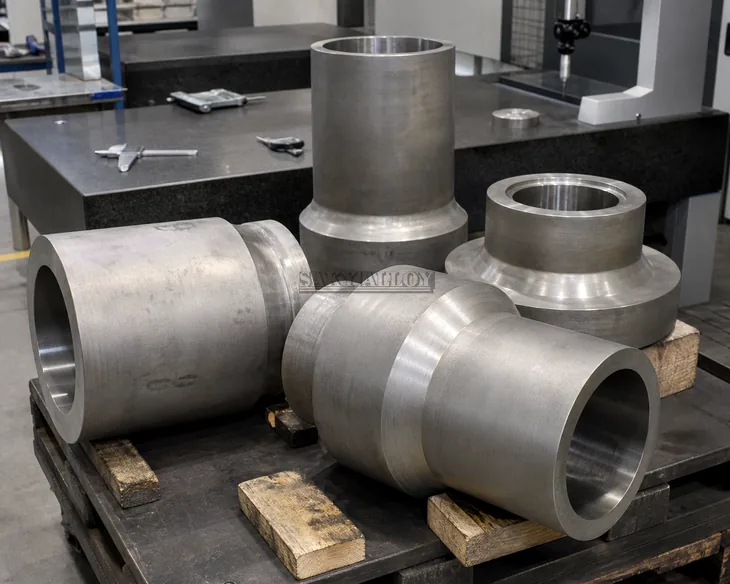
Titanium Forged Nozzles
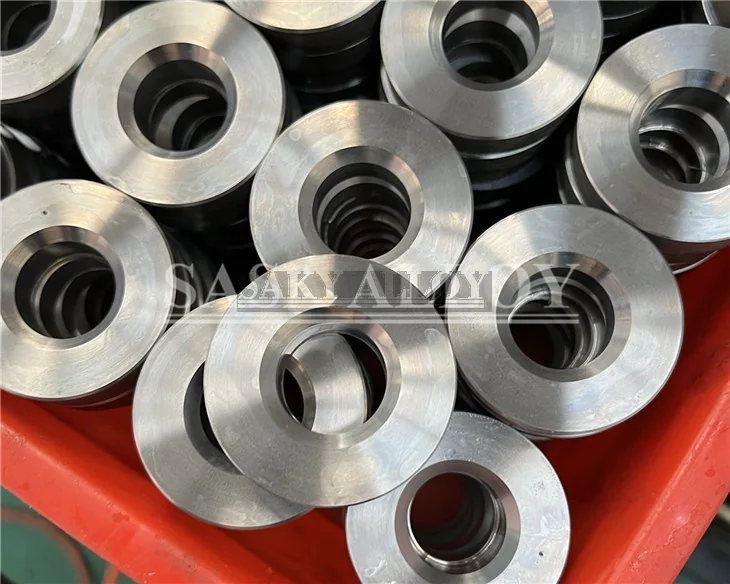
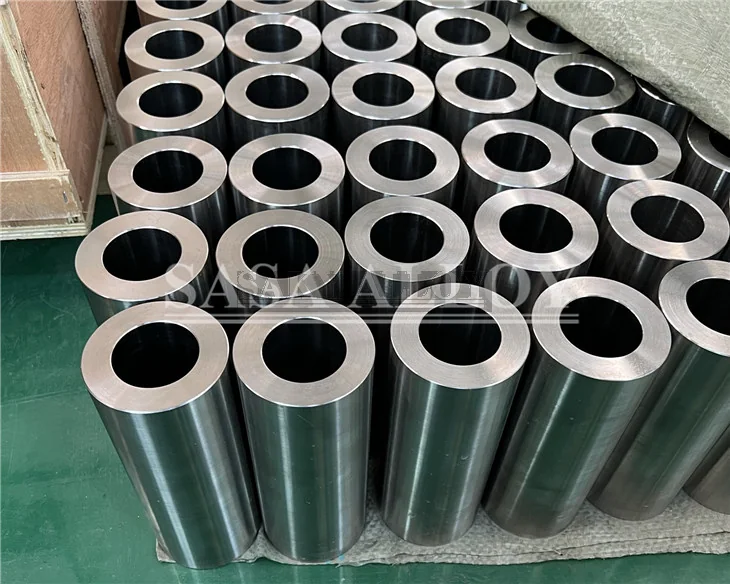
Titanium forged nozzle necks and integral hub forgings supplied by grade, bore, wall, weld transition, machining allowance, heat treatment, NDT and traceability requirements.
- Material
- Titanium Grades 2, 5, 7 or 12 by design
- Forms
- Nozzle neck, stepped hub or integral forged transition
- Condition
- As-forged, rough-machined or finish-machined
- Documents
- MTC, heat traceability, dimensions and agreed NDT
Product Detail
Product Introduction
Titanium forged nozzles form pressure-boundary branch connections for vessels and high-integrity process equipment. A forged neck or integral hub can provide controlled grain flow and machining stock around the bore, shell transition and weld end. The RFQ must define pressure design, titanium grade, bore, outside profile, wall, hub and transition radii, weld preparation, machining allowance, heat treatment, test coupon requirements and NDT.
Product Specifications
| Product | Titanium Forged Nozzles | Grade | Titanium Grade 2, 5, 7 or 12 by approved design |
|---|---|---|---|
| Standard | ASTM B381 / ASME SB381 may apply to titanium forgings when expressly invoked. The finished nozzle remains drawing- and pressure-code-controlled, including design loads, reinforcement, weld details, machining, NDE and documentation. Aerospace or proprietary specifications apply only when explicitly ordered. | Size & Form | Hollow nozzle neck or integral hub; bore, wall, OD/profile, transition radii, weld end and machining envelope by approved drawing |
| Tolerance | As-forged, rough-machined or finish-machined tolerances according to the drawing and inspection plan | Supply Condition | Forged and order-specific heat treatment; as-forged, bored, turned, contour-machined or weld-ready condition |
| Inspection | Available controls include MTC, heat and lot traceability, chemistry and tensile results, OD/ID and wall mapping, profile and machining allowance, surface inspection, UT and PT to agreed procedures, macrostructure or microstructure where required, dimensional report and third-party witness. | Documents | MTC, heat/lot traceability and agreed inspection reports |
Send the complete material RFQ
Include grade, specification revision, dimensions, tolerance, quantity, condition, tests and destination.
Chemical Composition
Weight percent; maximum unless a range is shown. Titanium is the balance. The ordered specification and grade control.
| Grade / UNS | Principal Alloying Elements | Fe max | O max | C max | N max | H max | Ti |
|---|---|---|---|---|---|---|---|
| Grade 2 / R50400 | — | 0.30 | 0.25 | 0.08 | 0.03 | 0.015 | Balance |
| Grade 5 / R56400 | Al 5.50–6.75; V 3.50–4.50 | 0.40 | 0.20 | 0.08 | 0.05 | 0.015 | Balance |
| Grade 7 / R52400 | Pd 0.12–0.25 | 0.30 | 0.25 | 0.08 | 0.03 | 0.015 | Balance |
| Grade 12 / R53400 | Mo 0.20–0.40; Ni 0.60–0.90 | 0.30 | 0.25 | 0.08 | 0.03 | 0.015 | Balance |
Mechanical Properties – Annealed Material Reference
| Grade | Ultimate Tensile Strength min | 0.2% Yield Strength min | Elongation min |
|---|---|---|---|
| Grade 2 | 345 MPa | 275 MPa | 20% |
| Grade 5 | 895 MPa | 828 MPa | 10% |
| Grade 7 | 345 MPa | 275 MPa | 20% |
| Grade 12 | 483 MPa | 345 MPa | 18% |
Representative minima only. Product form, section size, heat treatment and the invoked specification determine the certified acceptance values.
Typical Physical Properties
| Grade | Density | Elastic Modulus | Thermal Expansion |
|---|---|---|---|
| Grade 2 | 4.51 g/cm³ | Approx. 105 GPa | Approx. 8.6 µm/m·K |
| Grade 5 | 4.43 g/cm³ | Approx. 114 GPa | Approx. 8.6 µm/m·K |
| Grade 7 | Approx. 4.51 g/cm³ | Approx. 105 GPa | Approx. 8.6 µm/m·K |
| Grade 12 | Approx. 4.54 g/cm³ | Approx. 103 GPa | Approx. 8.6 µm/m·K |
Typical engineering references, not inspection acceptance limits.
Certificates & Inspection Records
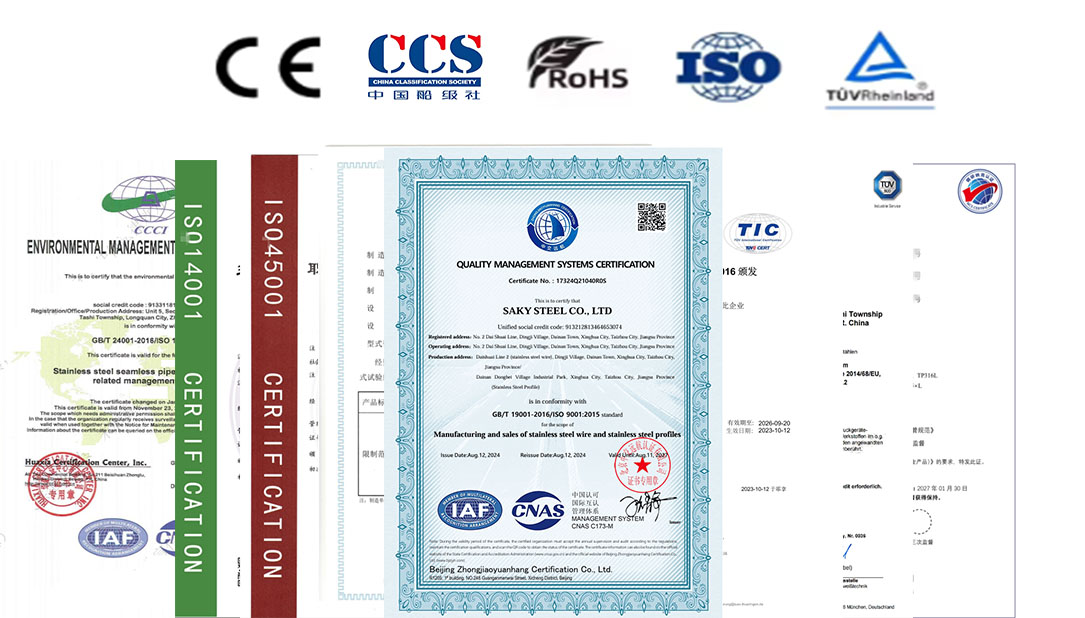
Services We Can Provide
Product Packaging
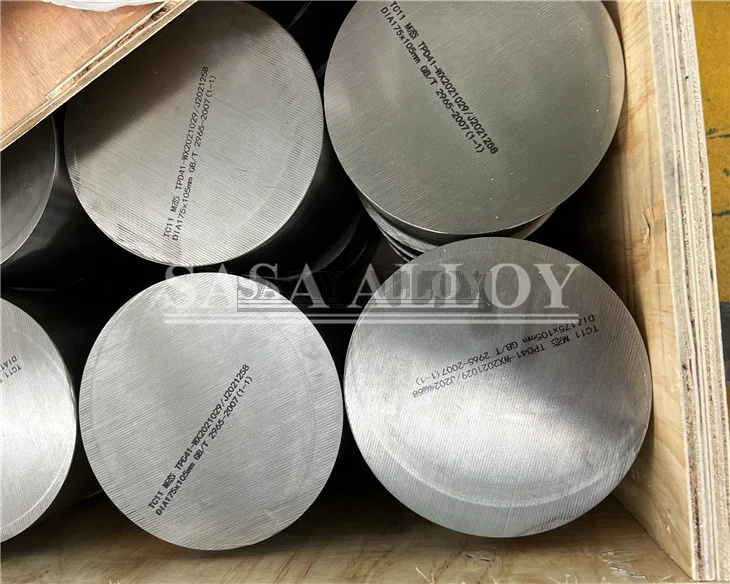
Blocks and forgings are protected at machined surfaces, secured on pallets or in export cases, and identified by grade, heat, dimensions and quantity.
Application Scenarios

Chemical-process pressure vessels and reactors
Material grade, dimensions, condition and inspection must be matched to the application requirements.
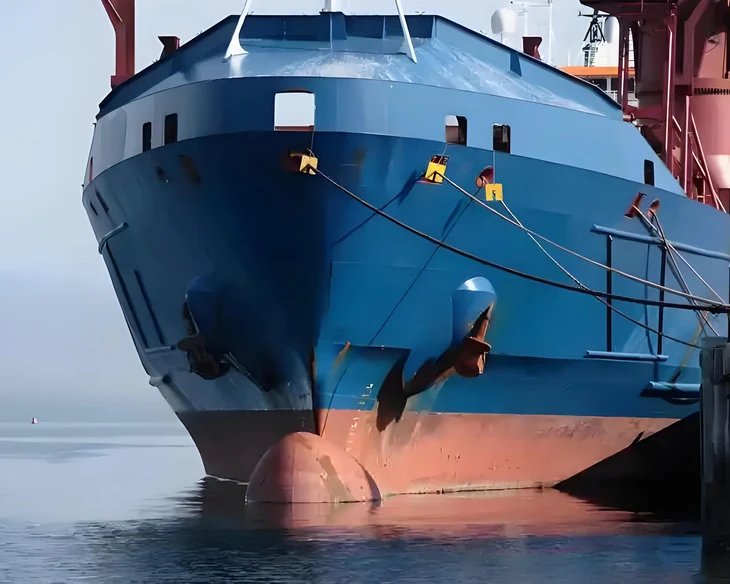
Desalination, seawater and offshore process equipment
Material grade, dimensions, condition and inspection must be matched to the application requirements.

Heat exchangers, columns and high-integrity branch connections
Material grade, dimensions, condition and inspection must be matched to the application requirements.
FAQ
How is a forged nozzle different from a pipe nipple?
A forged nozzle is a drawing-controlled pressure-boundary component with defined wall, transition, machining allowance, weld end and inspection; it is not ordinary pipe cut to length.
When should UT be specified?
UT is commonly considered for thick or critical forgings, but procedure, coverage, calibration and acceptance criteria must be stated in the order.
What dimensions are required for quotation?
Provide bore, outside contour, wall, overall length, hub or transition, weld preparation, machining allowance and all finished datums.
Leave Your Message
Related Technical Guides
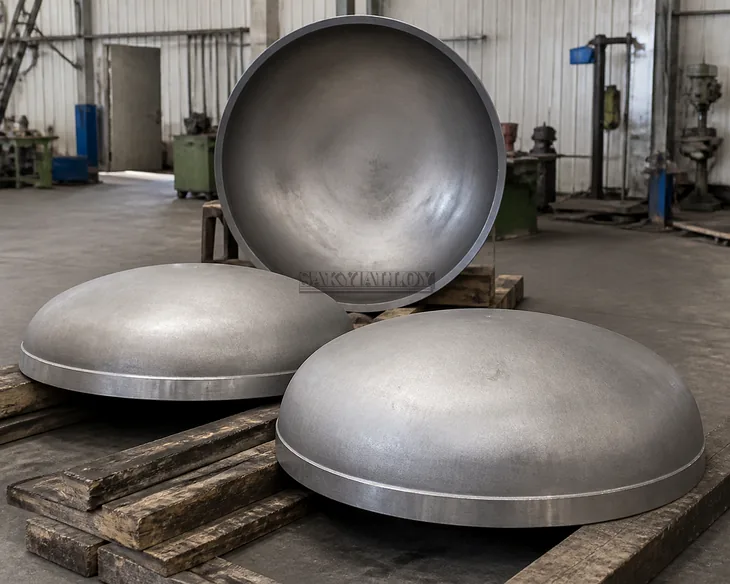
Titanium Pressure Vessel Head Types and Selection
Compare ellipsoidal, torispherical and hemispherical forms, geometry and purchasing data.
Read technical guideHow to Specify Titanium Forged Nozzles
Define grade, pressure design, bore, weld end, machining allowance, heat treatment and NDT.
Read technical guideTitanium Vessel Heads and Forged Nozzles Guide
Review corrosion service, pressure boundary, fabrication route and quality documentation.
Read technical guide