

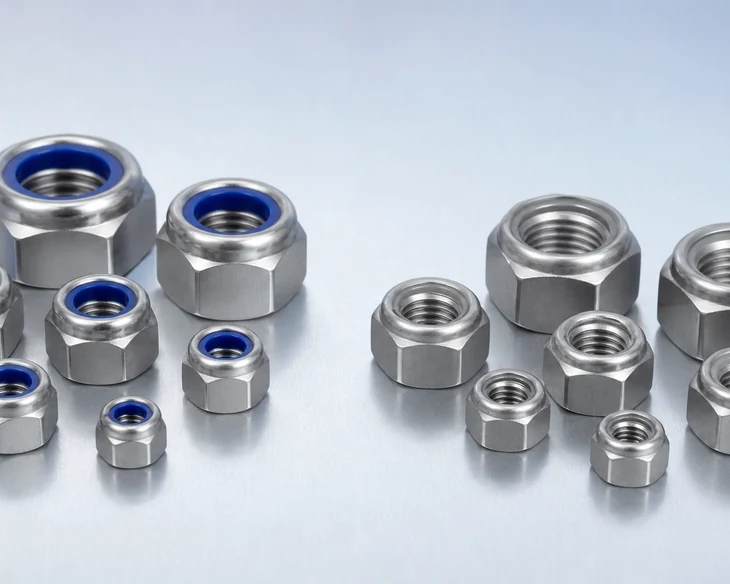
Grade 2 Titanium Lock Nuts
Commercially pure Grade 2 titanium prevailing-torque lock nuts for corrosion-resistant marine, chemical and industrial assemblies. Nylon-insert and all-metal configurations are supplied to the specified thread, dimensions and locking-performance requirements.
- Material
- Titanium Grade 2 / UNS R50400
- Locking Type
- Nylon insert or all-metal
- Threads
- Metric, UNC, UNF or drawing
- Documents
- MTC, traceability and inspection report
Product Detail
Product Introduction
Grade 2 lock nuts are selected when corrosion resistance and low mass are more important than the higher strength of Ti-6Al-4V. The locking feature must be matched to the operating temperature, chemical exposure, mating fastener and permitted installation cycles. Grade 2 (UNS R50400) is commercially pure titanium selected for corrosion resistance and useful ductility. The buyer should define the mating bolt, thread tolerance, locking style, service temperature, chemical exposure, lubricant and permitted reuse cycles.
Product Specifications
| Product | Grade 2 Titanium Lock Nuts | Material | Commercially pure titanium Grade 2 / UNS R50400 |
|---|---|---|---|
| Types | Nylon-insert or all-metal prevailing-torque hex lock nuts | Threads | Metric coarse/fine, UNC, UNF or drawing-specific |
| Dimensions | Approved drawing or expressly invoked dimensional reference | Size Range | Confirmed against thread, locking type, quantity and drawing at RFQ stage |
| Surface | Machined and cleaned; project-specific lubricant or coating by agreement | Inspection | Thread gauging, dimensions, locking feature and agreed prevailing-torque test |
| Documents | MTC, heat/lot traceability and dimensional inspection report | Third Party | Inspection can be arranged by agreement |
Have a drawing or specification?
Send the locking type, thread, quantity, service conditions and inspection requirements for review.
Chemical Composition — Titanium Grade 2 / UNS R50400
Maximum weight percent unless shown otherwise; titanium is the balance.
| N | C | H | Fe | O | Residual, each | Residual, total | Ti |
|---|---|---|---|---|---|---|---|
| 0.03 | 0.08 | 0.015 | 0.30 | 0.25 | 0.10 | 0.40 | Balance |
Mechanical Properties — Annealed Grade 2 Material Reference
| Property | Guaranteed Minimum | Typical Value |
|---|---|---|
| Ultimate tensile strength | 345 MPa (50 ksi) | 485 MPa (70 ksi) |
| 0.2% yield strength | 275 MPa (40 ksi) | 345 MPa (50 ksi) |
| Elongation | Per invoked material/product specification | 28% |
| Reduction of area | Per invoked material/product specification | 57% |
Reference values for annealed Grade 2 material. Finished lock-nut proof load, prevailing torque and reuse performance depend on manufacturing route, locking feature, mating fastener and the acceptance specification agreed for the order.
Typical Physical Properties
| Property | Typical Value | Use |
|---|---|---|
| Density | 4.51 g/cm³ | Mass estimation |
| Elastic modulus | Approximately 105 GPa | Joint stiffness reference |
| Thermal conductivity | Approximately 16.4 W/m·K | Thermal engineering reference |
| Thermal expansion | Approximately 8.6 µm/m·K | Near room temperature |
Typical engineering references, not finished-lock-nut inspection acceptance limits.
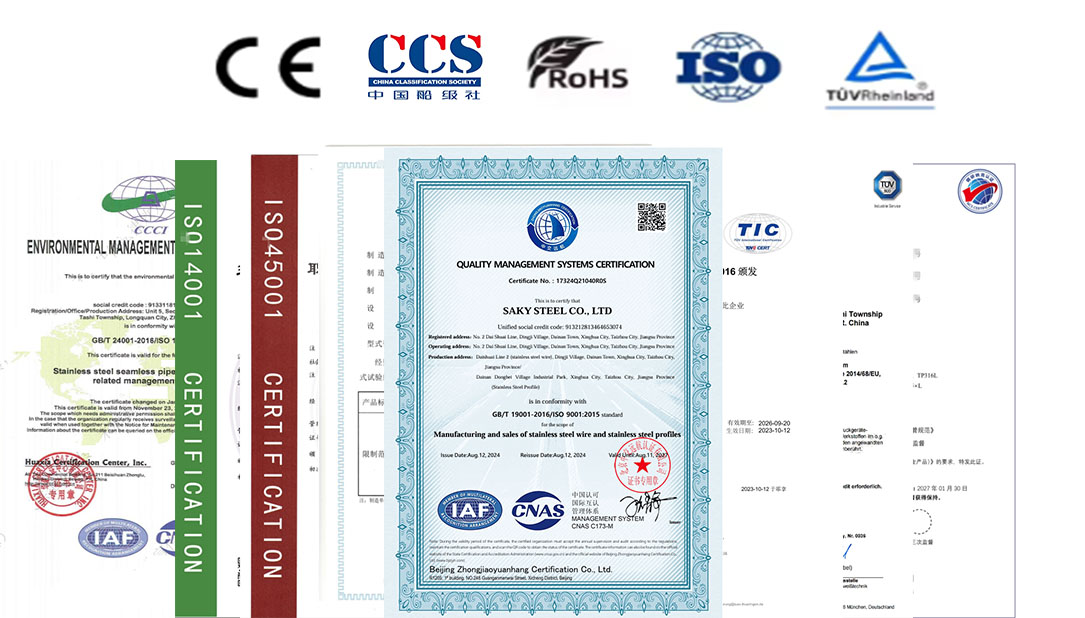
Certificates & Inspection Records
Services We Can Provide
Product Packaging
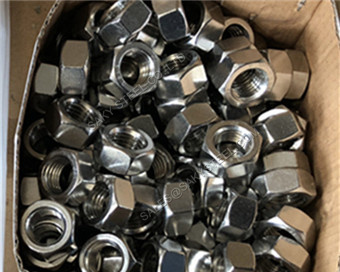
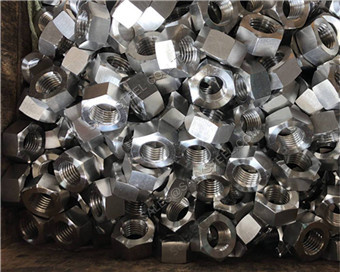
Lock nuts are separated and protected to reduce thread and surface damage, then labeled by material, thread, quantity and traceability reference. Inner bags, cartons and export cases are selected according to size, quantity and shipping method.
Application Scenarios

Chemical Processing
Corrosion-resistant equipment, piping supports and assemblies where joint materials must suit the process environment.

Power & Energy Equipment
Auxiliary equipment and corrosion-exposed assemblies where the complete joint specification supports the service conditions.

Marine & Shipbuilding
Lightweight corrosion-resistant joints for marine equipment, enclosures and shipboard service components.
FAQ
Should I choose nylon-insert or all-metal Grade 2 titanium lock nuts?
Choose the locking form from the complete service conditions. Nylon-insert nuts can suit moderate temperatures when the insert is compatible with chemicals, moisture and maintenance life. All-metal lock nuts avoid a polymer temperature limit, but prevailing torque, relaxation and galling risk still require validation.
Can Grade 2 titanium lock nuts be reused?
Reuse should not be assumed. It is acceptable only when the governing specification or approved maintenance procedure permits additional installation cycles and the nut continues to meet the required subsequent-cycle prevailing-torque limits with the specified mating fastener.
What information is required to quote titanium lock nuts?
Provide Grade 2 or UNS R50400, locking type, thread and tolerance, dimensional standard or drawing, mating bolt, quantity, service temperature, chemical exposure, lubricant or coating, prevailing-torque test sequence and required certificates.
Leave Your Message

Related Technical Guides
Nylon Insert vs All-Metal Titanium Lock Nuts
Compare locking mechanisms, temperature limits and ordering considerations.
Read technical guideHow to Specify Titanium Nuts
Define material, thread, locking performance and inspection for marine or chemical service.
Read technical guideHow to Prevent Galling
Review mating materials, lubrication, surface condition and installation control.
Read technical guide