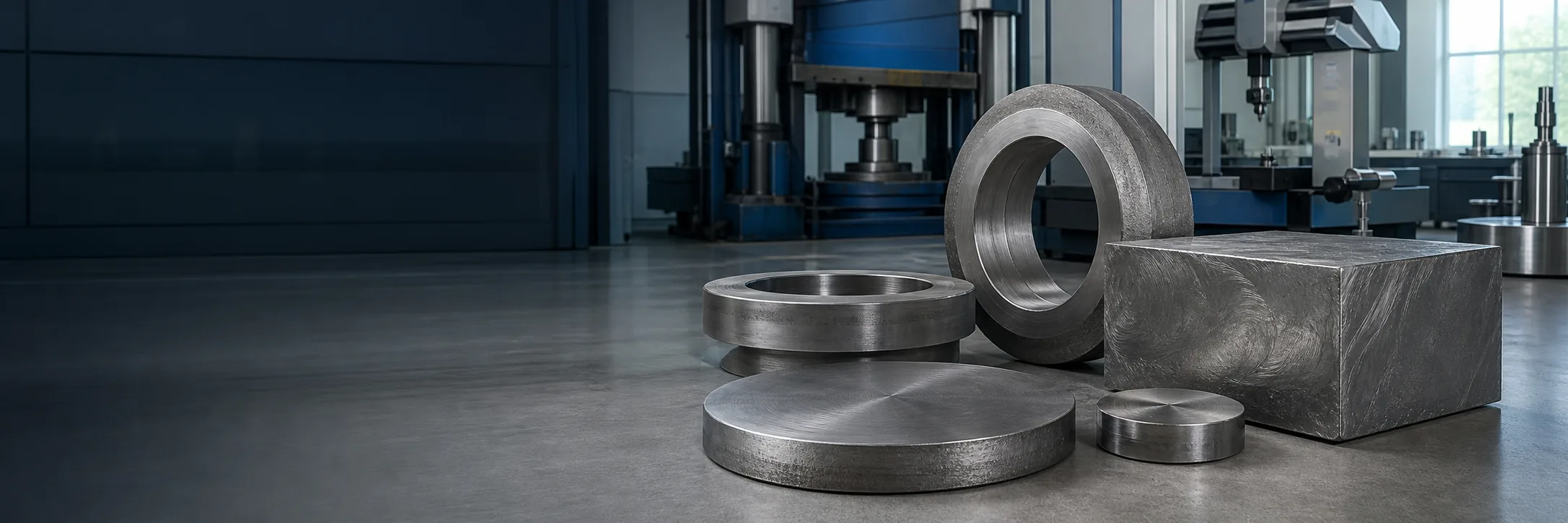
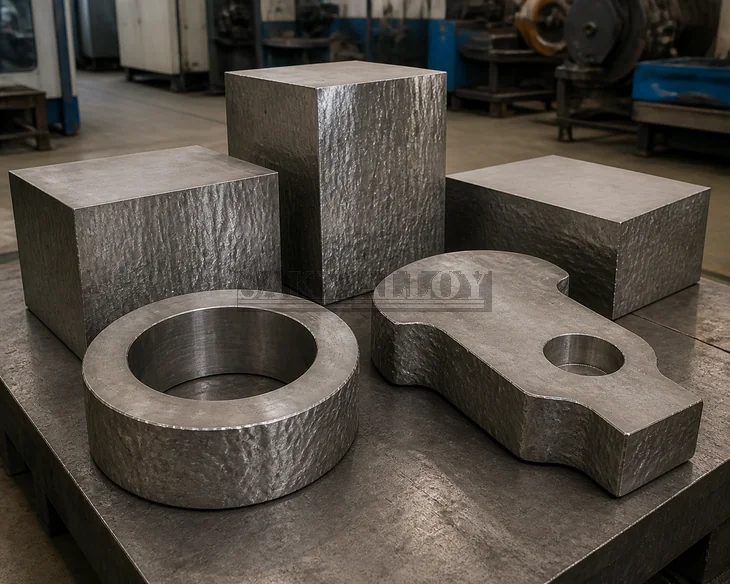
Titanium Forged Block
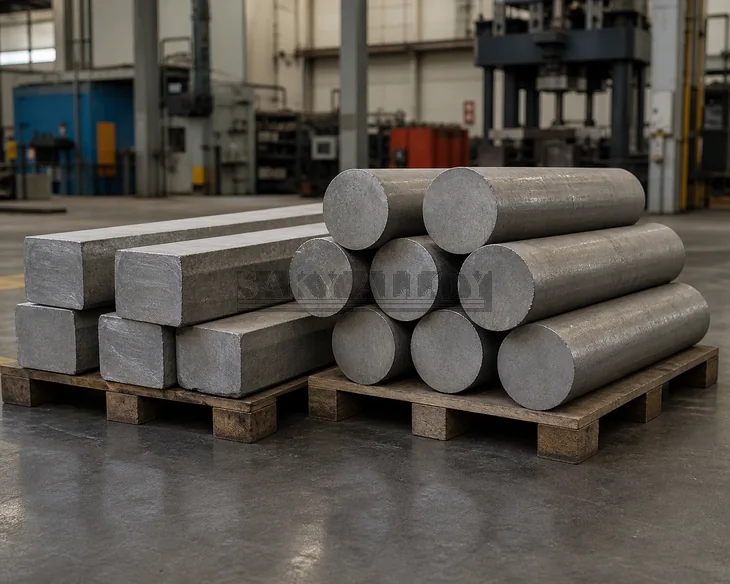
Titanium Forged Block supplied by titanium grade, governing specification, dimensions or drawing, melt/forging route, condition, inspection and traceability requirements.
- Grades
- Commercially pure and alloy titanium as specified
- Standard
- ASTM B381 / ASME SB381 or approved project specification
- Form
- Rectangular forged block
- Documents
- MTC, heat/lot traceability and agreed inspection reports
Product Detail
Product Introduction
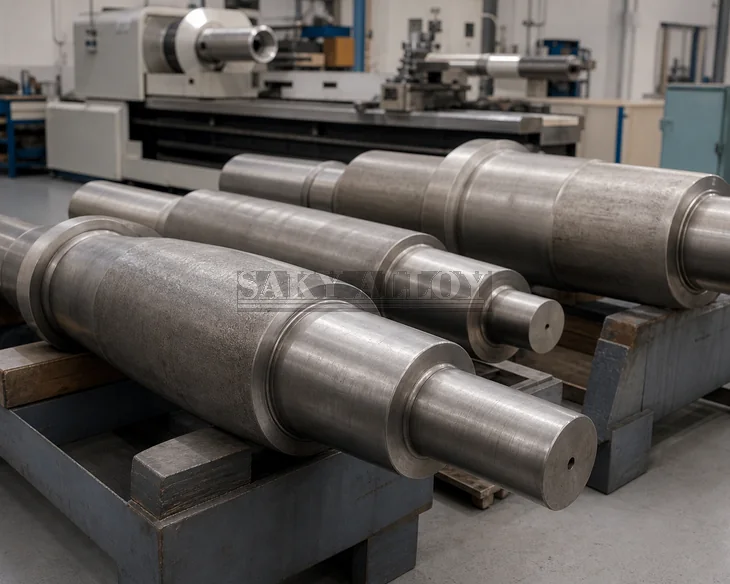
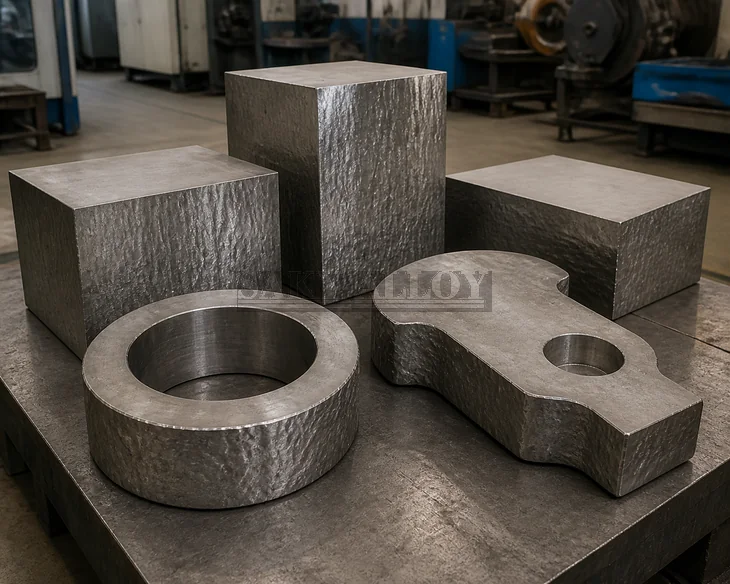
Titanium Forged Block is rectangular forged block supplied for further processing or finish machining. Grade, specification, melt or forging route, section size, heat treatment, machining allowance and inspection must be defined before production review.
How should a titanium forged block be purchased?
Selection answer: A forged block is rectangular or square starting stock produced to support machining of thick or highly loaded components. Define grade, length, width, thickness, grain-flow preference, condition and stock allowance.
Selection boundary: Do not treat a forged block as interchangeable with plate or cut bar. Section reduction, forging route, heat treatment, test location, ultrasonic path and dimensional allowance affect qualification and machining yield.
RFQ data to confirm: Provide grade and specification, block dimensions, finished component envelope, machining allowance, quantity or total weight, condition, test orientation, UT and surface NDE, flatness, MTC and traceability.
Selection Priorities
Technical definition
State length, width, thickness, machining allowance, reduction and ultrasonic class.
Grade and route
Define grade, melt practice, forging/breakdown route, heat treatment and any minimum reduction or grain-flow requirement.
Inspection plan
Specify chemistry, mechanical tests, macro/microstructure, ultrasonic testing, surface examination, dimensions and traceability as applicable.
Product Specifications
| Product | Titanium Forged Block | Grade | Commercially pure or alloy titanium as specified |
|---|---|---|---|
| Standard | ASTM B381 / ASME SB381 or approved project specification may govern the product where applicable. Aerospace and critical-service orders may invoke an AMS or customer specification with additional melt, forging, heat-treatment, sampling and inspection requirements. | Size & Form | Rectangular forged block by drawing, diameter/section, length, weight and machining allowance |
| Tolerance | Applicable specification and order-defined dimensions, weight, crop, straightness, allowance and surface requirements | Supply Condition | As-cast, rough turned, forged, annealed, heat treated, descaled, rough machined or finish machined as agreed |
| Inspection | Melt and heat traceability, certificate and chemistry review, dimensions and weight, surface/crop condition, heat treatment, mechanical testing, macrostructure or microstructure and ultrasonic testing when specified. | Documents | MTC, heat/lot traceability and agreed inspection reports |
Additional Supply & Ordering Details
Useful, technically consistent information consolidated from earlier product pages.
| Product-form boundary | A titanium forged block is consolidated wrought stock with a generally rectangular or square envelope. It is not an as-cast ingot, generic billet or fully machined component. |
|---|---|
| Block geometry to specify | Provide width, thickness, length, corner radii, forging and machining allowances, datum faces, flatness, parallelism, squareness and any restricted grain-flow orientation. |
| Forging-quality controls | State forging ratio or approved reduction route, heat treatment, macrostructure or microstructure requirements, ultrasonic class and scanning coverage, surface examination and mechanical-test location. |
| Machining interface | Supply the finished-part envelope and critical surfaces. Rough machining, proof machining or six-face machining should leave documented stock allowance and preserve traceability. |
Send the complete material RFQ
Include grade, specification revision, dimensions, tolerance, quantity, condition, tests and destination.
Chemical Composition
Weight percent; maximum unless a range is shown. Titanium is the balance. The ordered specification and grade control.
| Grade / UNS | Principal Alloying Elements | Fe max | O max | C max | N max | H max | Ti |
|---|---|---|---|---|---|---|---|
| Grade 1 / R50250 | — | 0.20 | 0.18 | 0.08 | 0.03 | 0.015 | Balance |
| Grade 2 / R50400 | — | 0.30 | 0.25 | 0.08 | 0.03 | 0.015 | Balance |
| Grade 3 / R50550 | — | 0.30 | 0.35 | 0.08 | 0.05 | 0.015 | Balance |
| Grade 4 / R50700 | — | 0.50 | 0.40 | 0.08 | 0.05 | 0.015 | Balance |
| Grade 5 / R56400 | Al 5.50–6.75; V 3.50–4.50 | 0.40 | 0.20 | 0.08 | 0.05 | 0.015 | Balance |
| Grade 6 / R54520 | Al 4.00–6.00; Sn 2.00–3.00 | 0.50 | 0.20 | 0.08 | 0.05 | 0.015 | Balance |
| Grade 7 / R52400 | Pd 0.12–0.25 | 0.30 | 0.25 | 0.08 | 0.03 | 0.015 | Balance |
| Grade 9 / R56320 | Al 2.50–3.50; V 2.00–3.00 | 0.25 | 0.15 | 0.08 | 0.03 | 0.015 | Balance |
| Grade 12 / R53400 | Mo 0.20–0.40; Ni 0.60–0.90 | 0.30 | 0.25 | 0.08 | 0.03 | 0.015 | Balance |
| Grade 11 / R52250 | Pd 0.12–0.25 | 0.20 | 0.18 | 0.08 | 0.03 | 0.0125 | Balance |
| Grade 16 / R52402 | Pd 0.04–0.08 | 0.30 | 0.25 | 0.08 | 0.03 | 0.015 | Balance |
| Grade 17 / R52252 | Pd 0.04–0.08 | 0.20 | 0.18 | 0.08 | 0.03 | 0.0125 | Balance |
| Grade 19 / R58640 | Al 3.00–4.00; V 7.50–8.50; Cr 5.50–6.50; Mo 3.50–4.50; Zr 3.50–4.50 | 0.30 | 0.12 | 0.05 | 0.03 | 0.015 | Balance |
| Grade 23 / R56407 | Al 5.50–6.50; V 3.50–4.50 | 0.25 | 0.13 | 0.08 | 0.05 | 0.0125 | Balance |
Mechanical Properties – Annealed Material Reference
| Grade | Ultimate Tensile Strength min | 0.2% Yield Strength min | Elongation min |
|---|---|---|---|
| Grade 1 | 240 MPa | 170 MPa | 24% |
| Grade 2 | 345 MPa | 275 MPa | 20% |
| Grade 3 | 450 MPa | 380 MPa | 18% |
| Grade 4 | 550 MPa | 483 MPa | 15% |
| Grade 5 | 895 MPa | 828 MPa | 10% |
| Grade 6 | 828 MPa | 793 MPa | 10% |
| Grade 7 | 345 MPa | 275 MPa | 20% |
| Grade 9 | 620 MPa | 485 MPa | 15% |
| Grade 12 | 483 MPa | 345 MPa | 18% |
| Grade 11 | 240 MPa | 170 MPa | 24% |
| Grade 16 | 345 MPa | 275 MPa | 20% |
| Grade 17 | 240 MPa | 170 MPa | 24% |
| Grade 19 / Beta-C | Acceptance depends on solution treatment, aging condition, product form and section size; use the certified values required by the invoked product or aerospace specification. | ||
| Grade 23 | 860 MPa | 795 MPa | 10% |
Representative minima only. Product form, section size, heat treatment and the invoked specification determine the certified acceptance values.
Typical Physical Properties
| Grade | Density | Elastic Modulus | Thermal Expansion |
|---|---|---|---|
| Grade 1 | 4.51 g/cm³ | Approx. 103 GPa | Approx. 8.6 µm/m·K |
| Grade 2 | 4.51 g/cm³ | Approx. 105 GPa | Approx. 8.6 µm/m·K |
| Grade 3 | 4.51 g/cm³ | Approx. 105 GPa | Approx. 8.6 µm/m·K |
| Grade 4 | 4.51 g/cm³ | Approx. 105 GPa | Approx. 8.6 µm/m·K |
| Grade 5 | 4.43 g/cm³ | Approx. 114 GPa | Approx. 8.6 µm/m·K |
| Grade 6 | Approx. 4.48 g/cm³ | Approx. 110 GPa | Approx. 8.8 µm/m·K |
| Grade 7 | Approx. 4.51 g/cm³ | Approx. 105 GPa | Approx. 8.6 µm/m·K |
| Grade 9 | Approx. 4.48 g/cm³ | Approx. 105 GPa | Approx. 9.0 µm/m·K |
| Grade 12 | Approx. 4.54 g/cm³ | Approx. 103 GPa | Approx. 8.6 µm/m·K |
| Grade 11 | Approx. 4.51 g/cm³ | Approx. 103 GPa | Approx. 8.6 µm/m·K |
| Grade 16 | Approx. 4.51 g/cm³ | Approx. 105 GPa | Approx. 8.6 µm/m·K |
| Grade 17 | Approx. 4.51 g/cm³ | Approx. 103 GPa | Approx. 8.6 µm/m·K |
| Grade 19 / Beta-C | Approx. 4.82 g/cm³ | Condition-dependent; use certified engineering data | Condition-dependent; verify for design |
| Grade 23 | 4.43 g/cm³ | Approx. 114 GPa | Approx. 8.6 µm/m·K |
Typical engineering references, not inspection acceptance limits.
Certificates & Inspection Records
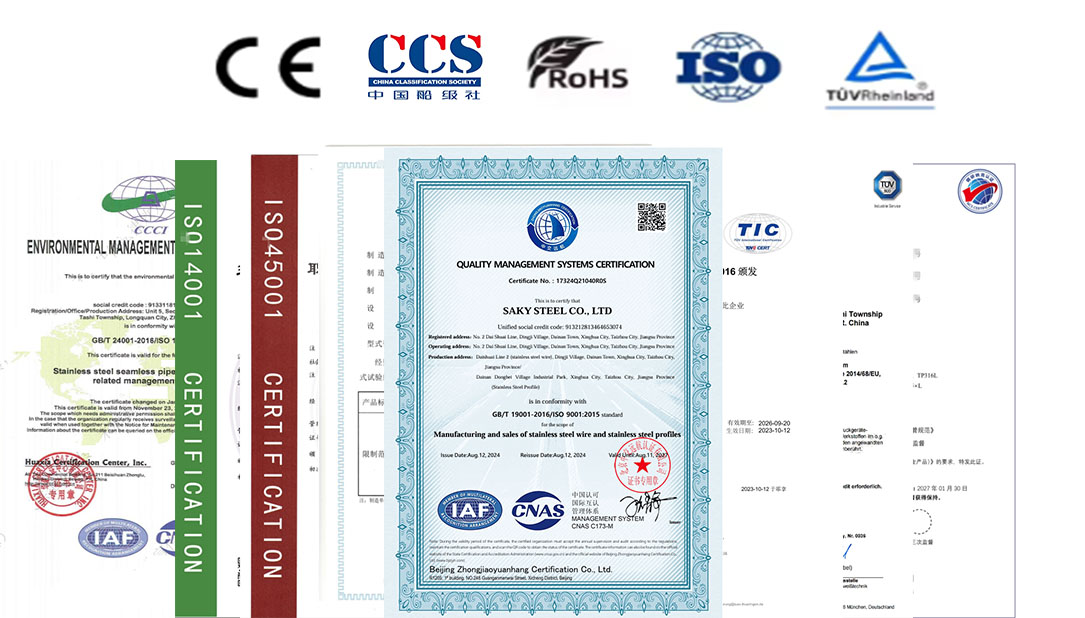
Services We Can Provide
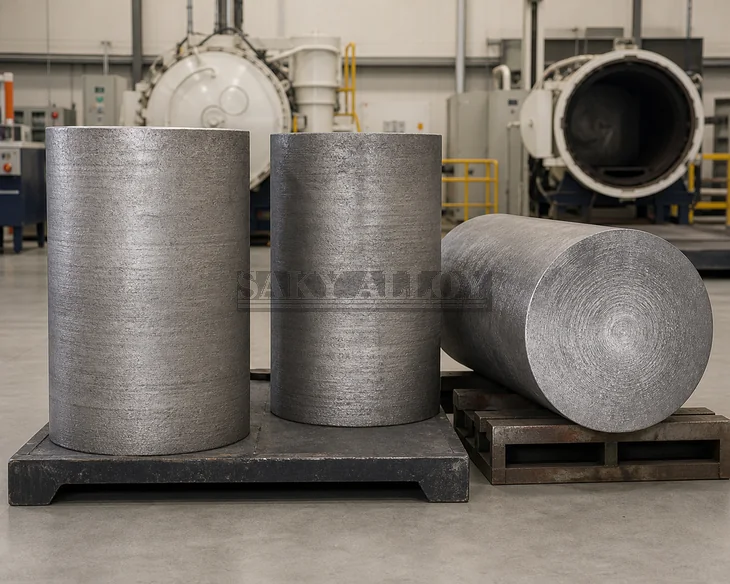
Product Packaging
Blocks and forgings are protected at machined surfaces, secured on pallets or in export cases, and identified by grade, heat, dimensions and quantity.
Application Scenarios

Large machined equipment parts, dies, structural and pressure-containing components
Material grade, dimensions, condition and inspection must be matched to the application requirements.

Aerospace, marine and chemical equipment
Material grade, dimensions, condition and inspection must be matched to the application requirements.

Heavy-duty machined titanium components
Material grade, dimensions, condition and inspection must be matched to the application requirements.
FAQ
Which product specification should be stated?
Use the specification that covers the exact ingot, billet or forging form, grade and service; critical orders may require additional AMS or customer controls.
Why must machining allowance be defined?
Forging and primary stock need sufficient cleanup allowance for the finished part without unnecessary titanium weight and machining cost.
What information is required for quotation?
Provide grade, specification, drawing or dimensions, quantity/weight, route, condition, allowance, testing and certificates.
Leave Your Message
Related Technical Guides
Forged Bar, Shaft and Block Selection
Choose forging form, stock allowance, NDT and certification.
Read technical guideTitanium Ingot, Billet and Forging Guide
Understand material route and inspection.
Read technical guideForgings vs Machined-from-Bar
Compare stock route and performance.
Read technical guideTitanium RFQ Checklist
Prepare grade, dimensions and documentation.
Read technical guide