Grade 17 Titanium Plate
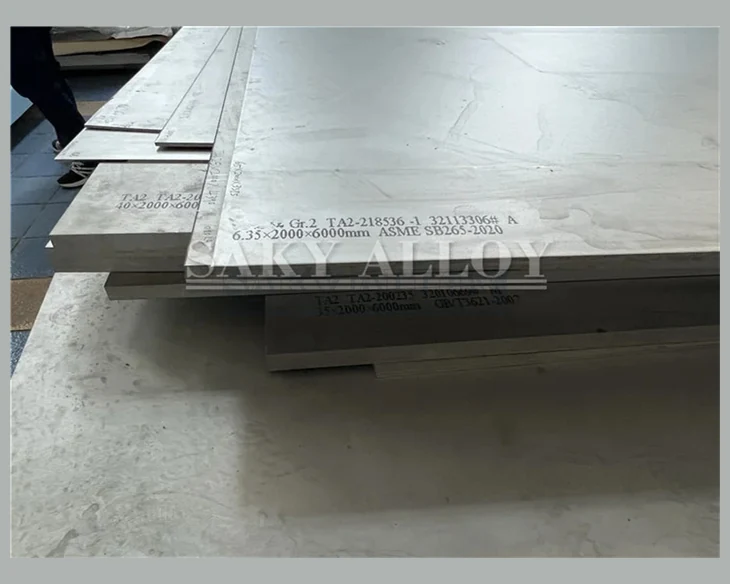
Grade 17 Titanium Plate supplied to the specified dimensions, condition, tolerance, inspection and material-traceability requirements for industrial procurement.
- Material
- Titanium Grade 17 / UNS R52252
- Standard
- ASTM B265 / ASME SB265
- Product Form
- Sheet, plate and cut blanks; thickness, width, length, flatness and edge condition are confirmed by RFQ
- Documents
- MTC, inspection and heat/lot traceability
Product Detail
Product Introduction
Grade 17 Titanium Plate is supplied for corrosion-resistant fabrication and precision manufacturing. The final purchase definition must identify the exact material designation, governing specification and revision, dimensions, condition, tolerances, tests and documentation; trade-name or cross-standard equivalence is not assumed.
When should Grade 17 titanium plate be considered?
Selection answer: Grade 17 is considered where a palladium-bearing, highly ductile commercially pure titanium flat product is supported by corrosion data and forming requirements.
Selection boundary: Do not treat Grade 17 as interchangeable with Grade 1, Grade 16 or Grade 7. Strength, ductility, palladium range, availability, fabrication and the actual corrosion environment must be reviewed together.
RFQ data to confirm: Send the exact standard and revision, grade and UNS, product form, dimensions, forming severity, process chemistry and temperature, weld plan, tests, certificates, quantity and destination.
Selection Priorities
Product definition
Sheet, plate and cut blanks; thickness, width, length, flatness and edge condition are confirmed by RFQ
Standard
ASTM B265 / ASME SB265
Condition
Hot or cold rolled, annealed, pickled, blasted, brushed or polished as applicable
Product Specifications
| Product | Grade 17 Titanium Plate | Grade | Titanium Grade 17 / UNS R52252 |
|---|---|---|---|
| Standard | ASTM B265/B265M covers annealed titanium strip, sheet and plate and identifies Grade 17 as UNS R52252, an unalloyed titanium grade containing 0.04% to 0.08% palladium. Order the exact revision, Grade 17, sheet or plate form, thickness, width, length, condition, surface, flatness and dimensional tolerances. Product specifications for tube, pipe, bar or forgings do not replace the B265 flat-product requirements. | Size & Form | Sheet, plate and cut blanks; thickness, width, length, flatness and edge condition are confirmed by RFQ |
| Tolerance | Governing material standard or approved customer drawing | Supply Condition | Hot or cold rolled, annealed, pickled, blasted, brushed or polished as applicable |
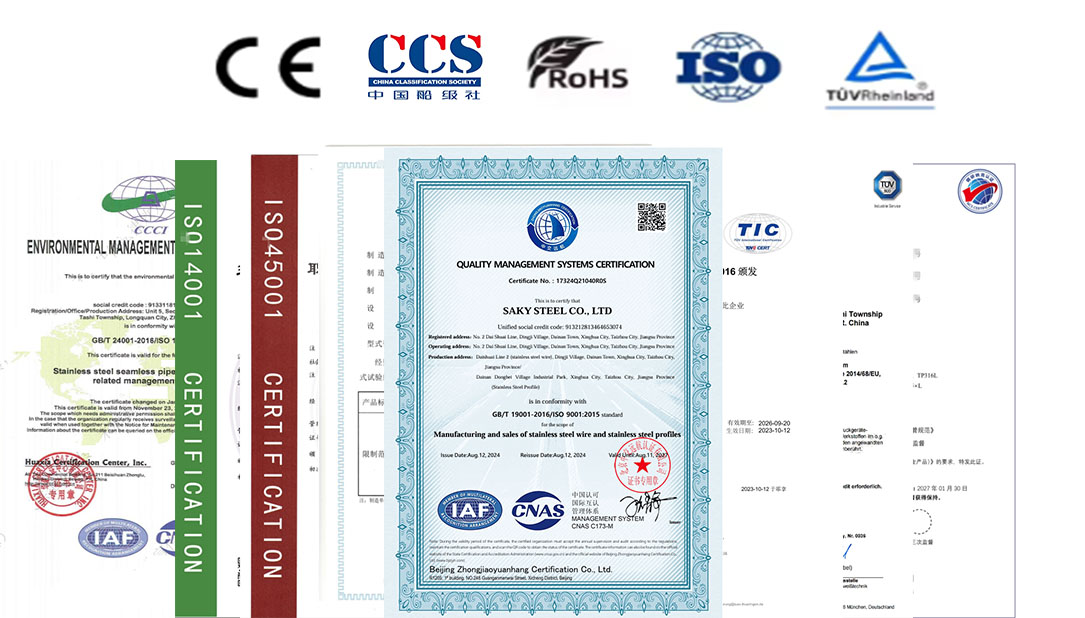
| Inspection | Verify heat identity, Grade 17 chemistry including palladium, tensile properties and test orientation where applicable, dimensions, flatness, surface, marking, MTC and heat/lot traceability. State any corrosion test, ultrasonic examination, penetrant testing or customer witness with method, coverage and acceptance criteria. | Documents | MTC, heat/lot traceability and agreed inspection reports |
Additional Supply & Ordering Details
Useful, technically consistent information consolidated from earlier product pages.
| Alloy identity | Grade 17 / UNS R52252 is a lower-palladium Grade 1-based titanium grade. It is distinct from Grade 11 and its corrosion suitability must be checked for the actual environment. |
|---|---|
| Specification | State ASTM B265 Grade 17, plate dimensions, condition, surface, flatness, edge, quantity and any supplementary corrosion or inspection requirement. |
| Service review | Provide complete process chemistry, temperature, contaminants, aeration, crevices, stress and fabrication route; do not select only by palladium content or price. |
| Inspection | Request chemistry including the Grade 17 palladium range, mechanical tests, dimensions, surface, heat/lot traceability and specified NDE or corrosion testing. |
Send the complete material RFQ
Include grade, specification revision, dimensions, tolerance, quantity, condition, tests and destination.
Chemical Composition
Weight percent; maximum unless a range is shown. Titanium is the balance. The ordered specification and grade control.
| Grade / UNS | Principal Alloying Elements | Fe max | O max | C max | N max | H max | Ti |
|---|---|---|---|---|---|---|---|
| Grade 17 / R52252 | Pd 0.04–0.08 | 0.20 | 0.18 | 0.08 | 0.03 | 0.0125 | Balance |
Mechanical Properties – Annealed Material Reference
| Grade | Ultimate Tensile Strength min | 0.2% Yield Strength min | Elongation min |
|---|---|---|---|
| Grade 17 | 240 MPa | 170 MPa | 24% |
Representative minima only. Product form, section size, heat treatment and the invoked specification determine the certified acceptance values.
Typical Physical Properties
| Grade | Density | Elastic Modulus | Thermal Expansion |
|---|---|---|---|
| Grade 17 | Approx. 4.51 g/cm³ | Approx. 103 GPa | Approx. 8.6 µm/m·K |
Typical engineering references, not inspection acceptance limits.
Certificates & Inspection Records
Services We Can Provide
Product Packaging
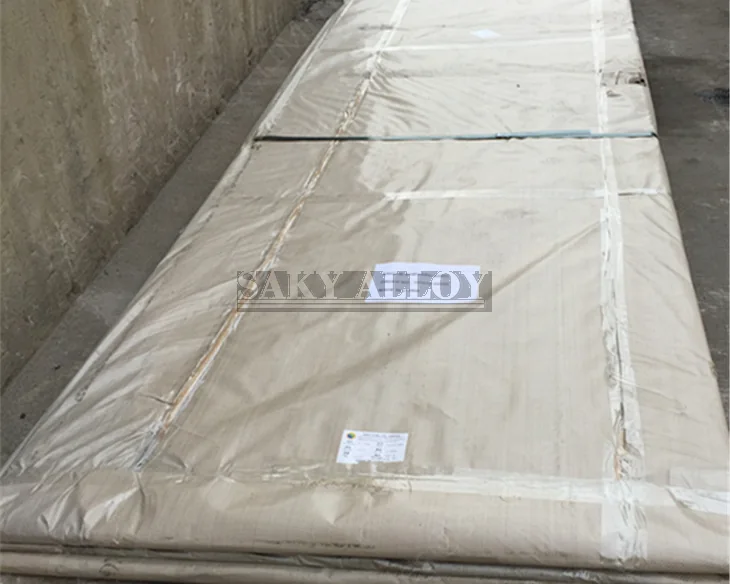
Sheet and plate surfaces are interleaved or wrapped as required, protected at edges and secured on pallets or in export cases with grade, heat and dimensional identification. Typical export packaging for the same physical product form is shown below; final packing is confirmed for each order.
Application Scenarios
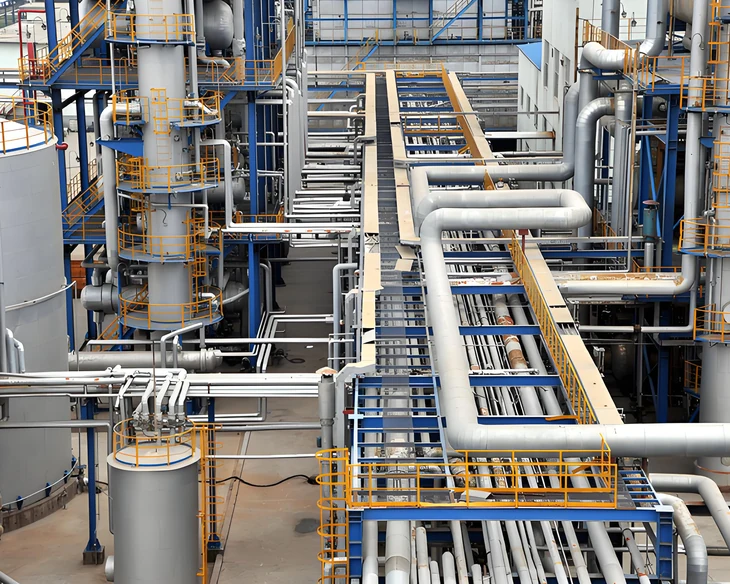
Chemical processing equipment
Material grade, dimensions, condition and inspection must be matched to the application requirements.

Marine and desalination systems
Material grade, dimensions, condition and inspection must be matched to the application requirements.
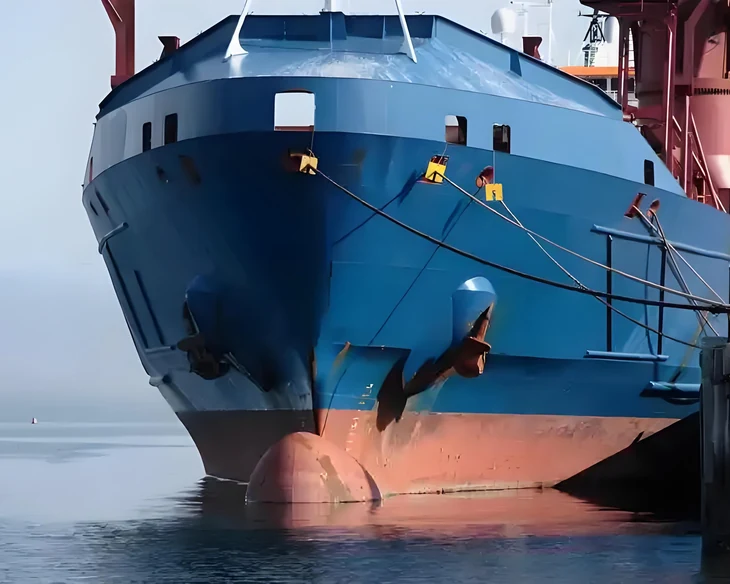
Industrial fabrication and precision components
Material grade, dimensions, condition and inspection must be matched to the application requirements.
FAQ
How does Grade 17 titanium plate differ from Grade 1?
Grade 17 is a low-strength commercially pure titanium family with a specified 0.04% to 0.08% palladium addition. Grade 1 does not carry that palladium requirement, so chemistry and certificates are not interchangeable.
What is the difference between Grade 16 and Grade 17 plate?
Both specify 0.04% to 0.08% palladium, but they have different UNS designations and mechanical-property bases. Grade 17 is the lower-strength, higher-ductility option; the design and purchase specification must name the required grade.
What information is needed for a Grade 17 plate quotation?
Provide ASTM B265/B265M revision, Grade 17 / UNS R52252, sheet or plate form, dimensions and tolerances, condition, surface, flatness, process medium and temperature, forming and welding, tests, MTC, quantity and destination.
Leave Your Message
Related Technical Guides
How to Choose a Titanium Grade
Compare grade, strength, corrosion environment and fabrication needs.
Read technical guideTitanium RFQ Checklist
Prepare dimensions, standards, tests and documentation.
Read technical guideComplete Titanium Product Guide
Compare titanium product forms and sourcing considerations.
Read technical guide