
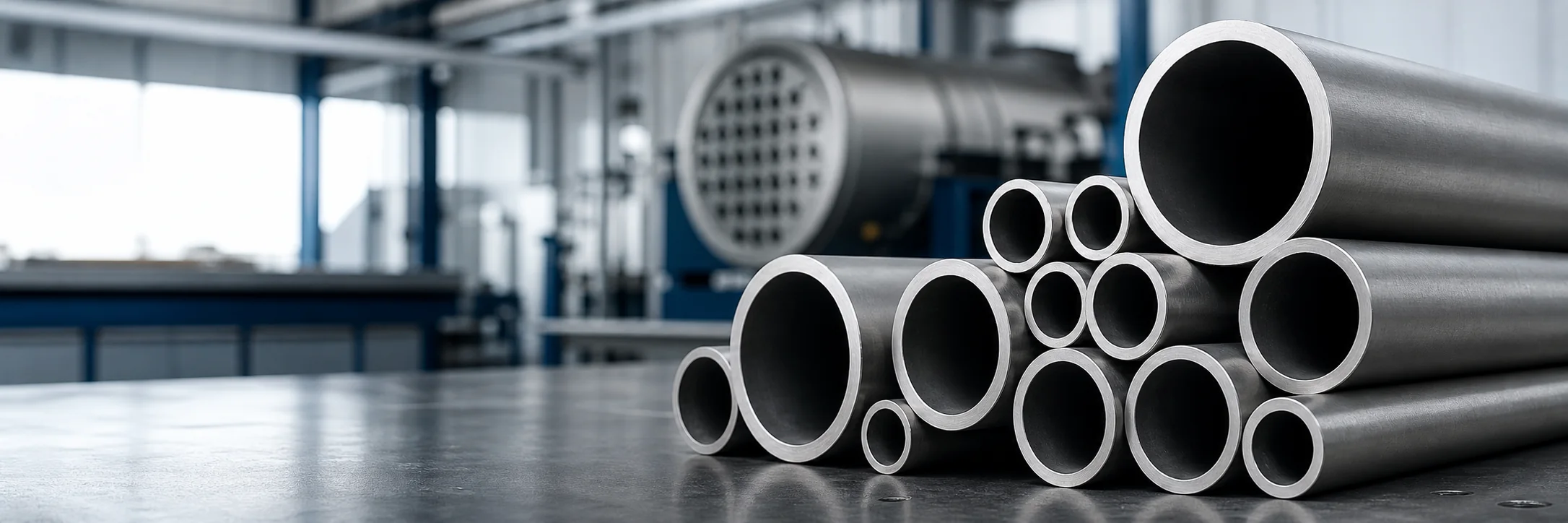
Pressure Testing Titanium Pipe Systems
Titanium pipe systems are used in some of the world’s most demanding industries, including aerospace, marine engineering, chemical processing, and power generation. Known for their outstanding strength-to-weight ratio, corrosion resistance, and longevity, titanium pipes are often specified for critical applications where failure is not an option. To ensure these systems perform as intended, pressure testing titanium pipe systems is an essential part of the manufacturing, installation, and maintenance process.
In this article, we will explore the importance of pressure testing, the different methods used, and best practices for testing titanium pipes. We’ll also explain how sourcing materials from trusted suppliers like sasaaluminum supports the integrity and safety of titanium piping systems in high-pressure environments.
Why Pressure Testing Titanium Pipe Systems Is Essential
Pressure testing verifies that a piping system can safely contain and convey fluids under its design pressure without leakage, deformation, or catastrophic failure. It helps to:
-
Confirm structural integrity before commissioning.
-
Identify manufacturing or installation defects, such as incomplete welds or cracks.
-
Ensure compliance with international standards (e.g., ASME B31.3, ASTM B861).
-
Protect personnel, equipment, and the environment from hazards associated with leaks or bursts.
Given the critical nature of titanium pipe systems, especially in industries like aerospace and chemical processing, pressure testing is not optional — it’s mandatory for safety and reliability.
Types of Pressure Testing for Titanium Pipe Systems
1. Hydrostatic Testing
The most common method for titanium pipes:
-
The system is filled with clean water, sometimes with corrosion inhibitors added.
-
Pressure is gradually increased to the test value (usually 1.5 times the design pressure).
-
The pressure is held for a specified period (typically 30 minutes) while inspecting for leaks or deformations.
Advantages:
-
Simple and effective.
-
Provides visible evidence of leakage.
-
Water is incompressible, so it’s safer in terms of energy stored at pressure.
Considerations:
-
Water must be completely drained and pipes dried afterward to prevent moisture-related issues, especially if the system will handle oxygen or other reactive gases.
2. Pneumatic Testing
Used where hydrostatic testing is impractical (e.g., systems that must stay dry):
-
Compressed air or inert gas (such as nitrogen or helium) is introduced.
-
The system is pressurized to the test value.
-
Sensitive instruments detect any pressure loss or leaks.
Advantages:
-
Suitable for systems that can’t tolerate water exposure.
-
Allows precise leak detection using gas detectors or soap bubble tests.
Considerations:
-
Gas is compressible, so the stored energy at pressure is higher — meaning greater hazard potential if failure occurs.
-
Requires strict safety protocols.
3. Combined Leak and Pressure Testing
For ultra-critical systems (e.g., aerospace, nuclear):
-
A combination of pressure testing and helium mass spectrometer leak detection is used.
-
This allows detection of very small leaks (down to 1×10⁻⁹ atm·cc/sec).
Best Practices for Pressure Testing Titanium Pipe Systems
1. Follow Applicable Standards
Ensure testing procedures comply with:
-
ASME Boiler and Pressure Vessel Code
-
ASME B31.3 Process Piping Code
-
ASTM B861 / B862 / B338 material specifications
-
Customer or project-specific requirements
2. Use Certified, High-Quality Pipe
The foundation of safe pressure testing is using titanium pipe that meets all specifications. Sourcing from reputable suppliers like sasaaluminum ensures:
-
Full traceability of material origin.
-
Certified compliance with mechanical and chemical properties.
-
Proper documentation (MTCs, inspection records).
3. Conduct Pre-Test Inspections
Before applying pressure:
-
Verify that all joints, welds, and fittings are complete and meet inspection criteria.
-
Ensure isolation of components not designed for test pressures (e.g., instruments, valves).
-
Check that vents, drains, and test connections are correctly installed.
4. Gradually Apply Pressure
-
Increase pressure in steps (e.g., 25%, 50%, 75%, 100% of test pressure).
-
Hold at each step for inspection.
-
Use calibrated gauges to monitor pressure accurately.
5. Maintain Safety Protocols
-
For pneumatic testing, establish an exclusion zone around the system.
-
Use pressure relief devices to limit over-pressurization.
-
Ensure only qualified personnel perform and witness the test.
6. Record and Document Results
-
Document pressure levels, duration, and any leakage or deformation observed.
-
Provide customers or regulators with comprehensive test reports.
7. Post-Test Care
-
For hydrostatic tests: drain and dry the system completely.
-
Inspect for residual water or corrosion inhibitors, especially in gas service pipes.
-
Reinspect welds or joints as necessary after pressure testing.
Common Challenges in Pressure Testing Titanium Pipes
-
Weld defects: Pressure testing often reveals hidden welding flaws that require rework.
-
Joint leaks: Misaligned or improperly sealed connections can fail under test conditions.
-
Test medium contamination: Ensure that water or gas used does not introduce contaminants that could damage the titanium or affect downstream processes.
The Role of a Trusted Supplier
The reliability of your pressure testing process begins with material quality. A supplier like sasaaluminum helps ensure success by providing:
-
Titanium pipes with certified material properties.
-
Proper documentation for regulatory and quality assurance needs.
-
Technical guidance on material compatibility and testing best practices.
Conclusion
Pressure testing titanium pipe systems is a vital step in ensuring that these high-performance systems operate safely and reliably under their designed conditions. With proper planning, adherence to standards, and meticulous execution, pressure testing verifies the integrity of the system before it enters service.
By sourcing titanium pipe and components from trusted suppliers like sasaaluminum, you lay the foundation for successful testing and long-term operational excellence. Whether for chemical plants, marine applications, or aerospace systems, titanium pipes that pass rigorous pressure testing provide the confidence needed for critical operations.