
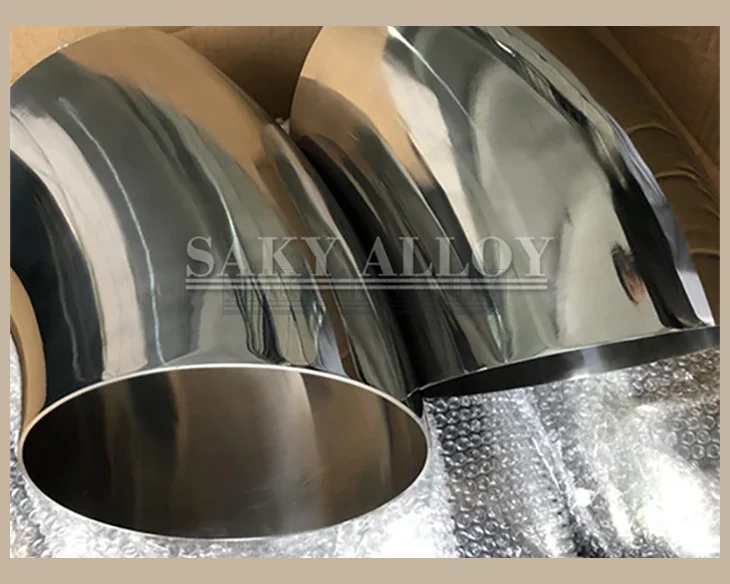
Titanium Pipe Bend
Titanium Pipe Bend supplied by titanium grade, outside diameter or NPS, wall thickness, end preparation, dimensional standard and inspection requirements for corrosion-resistant piping systems.
- Material
- Titanium Grade 2, Grade 7 or Grade 12 as specified
- Product Standard
- ASTM B363 / ASME SB363 where applicable
- Dimensions
- ASME B16.9, B16.11 or approved drawing
- Documents
- MTC, dimensions and heat/lot traceability
Product Detail
Product Introduction
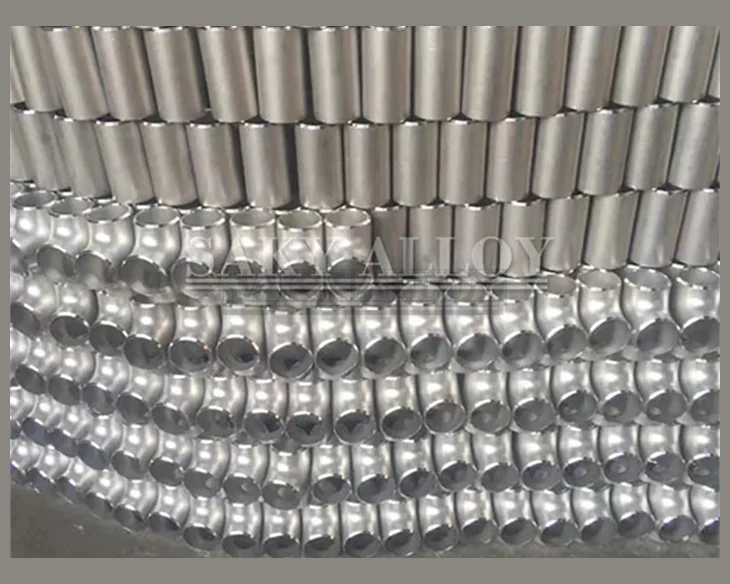
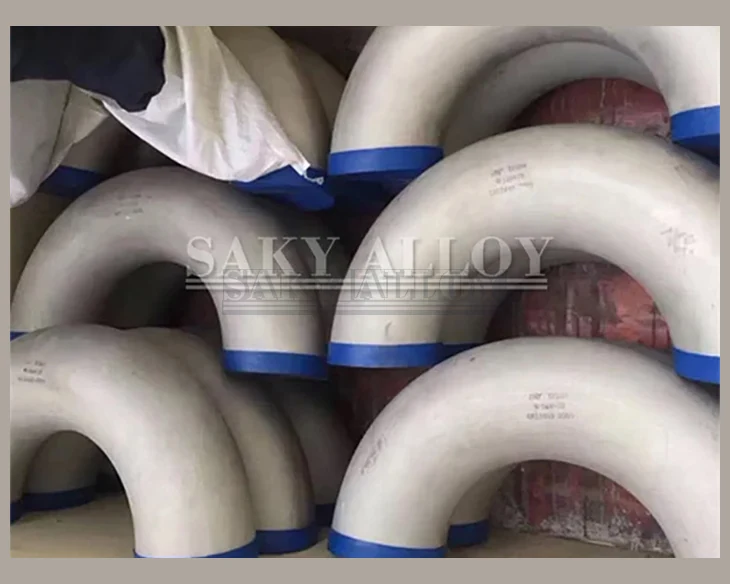
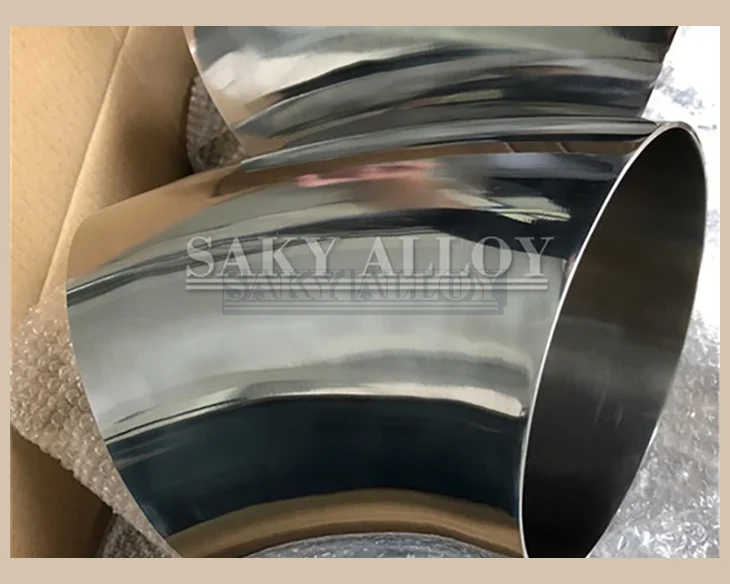
A titanium pipe bend is a curved pipe section produced to a specified centerline radius, angle and tangent geometry. It differs from a standard elbow because the bend can use a larger or drawing-specific radius and integral straight tangents. Define size, wall, radius, angle, tangents, end relationship, forming route and inspection.
Product Specifications
| Product | Titanium Pipe Bend | Material Options | Titanium Grade 2, Grade 7 or Grade 12 as specified |
|---|---|---|---|
| Forms | Induction, hot-formed or cold-formed pipe bend subject to route review | Typical Inquiry Range | Outside diameter, wall, bend angle, centerline radius and tangent lengths by drawing |
| Product Standard | ASTM B363 / ASME SB363 where applicable | Dimensional Basis | ASME B16.9, ASME B16.11 or approved drawing as applicable |
| Wall | Schedule or nominal wall thickness matched to the connected pipe and design | Ends | Plain, beveled or project-defined ends |
| Manufacturing | Seamless, welded, formed, forged, machined or fabricated as specified | Surface | Pickled, cleaned, machined or project-specific finish |
| Inspection | Visual, dimensions, wall, ends and specified NDT | Documents | MTC, heat/lot traceability and inspection report |
Typical ranges are quotation guidance, not a stock guarantee. Final availability and tolerances are confirmed against the complete RFQ and design code.
Selection and Configuration
- Drawing-controlled route: State bend angle, centerline radius, tangent lengths, plane and rotation, end-to-end or center-to-end dimensions.
- Forming limits: Define minimum wall after bending, ovality, flattening, wrinkles, surface, heat treatment and whether a mandrel is required.
- System interface: Coordinate connected-pipe dimensions, weld ends, supports, springback, field fit-up and cleaning for the complete piping layout.
Send the piping specification or drawing
Include grade, NPS or OD, wall/schedule, geometry, ends, quantity, tests and documents.
Chemical Composition
Weight percent; maximum unless a range is shown. Titanium is the balance. The ordered grade controls.
| Grade / UNS | Pd | Mo / Ni | Fe | O | C | N | H | Ti |
|---|---|---|---|---|---|---|---|---|
| Grade 2 / R50400 | — | — | 0.30 | 0.25 | 0.08 | 0.03 | 0.015 | Balance |
| Grade 7 / R52400 | 0.12–0.25 Pd | — | 0.30 | 0.25 | 0.08 | 0.03 | 0.015 | Balance |
| Grade 12 / R53400 | — | 0.20–0.40 Mo; 0.60–0.90 Ni | 0.30 | 0.25 | 0.08 | 0.03 | 0.015 | Balance |
Mechanical Properties – Annealed Source Material Reference
| Grade | Ultimate Tensile Strength min | 0.2% Yield Strength min | Elongation min |
|---|---|---|---|
| Grade 2 | 345 MPa (50 ksi) | 275 MPa (40 ksi) | 20% |
| Grade 7 | 345 MPa (50 ksi) | 275 MPa (40 ksi) | 20% |
| Grade 12 | 483 MPa (70 ksi) | 345 MPa (50 ksi) | 18% |
Representative wrought-source material minima. Fitting acceptance, heat treatment and test specimens must follow the ordered material/product specification and size.
Typical Physical Properties
| Grade | Density | Elastic Modulus | Thermal Conductivity | Thermal Expansion |
|---|---|---|---|---|
| Grade 2 | 4.51 g/cm³ | Approx. 105 GPa | Approx. 16.4 W/m·K | Approx. 8.6 µm/m·K |
| Grade 7 | Approx. 4.51 g/cm³ | Approx. 105 GPa | Approx. 16 W/m·K | Approx. 8.6 µm/m·K |
| Grade 12 | Approx. 4.54 g/cm³ | Approx. 103 GPa | Approx. 16 W/m·K | Approx. 8.6 µm/m·K |
Typical engineering references, not inspection acceptance limits.
Certificates & Inspection Records
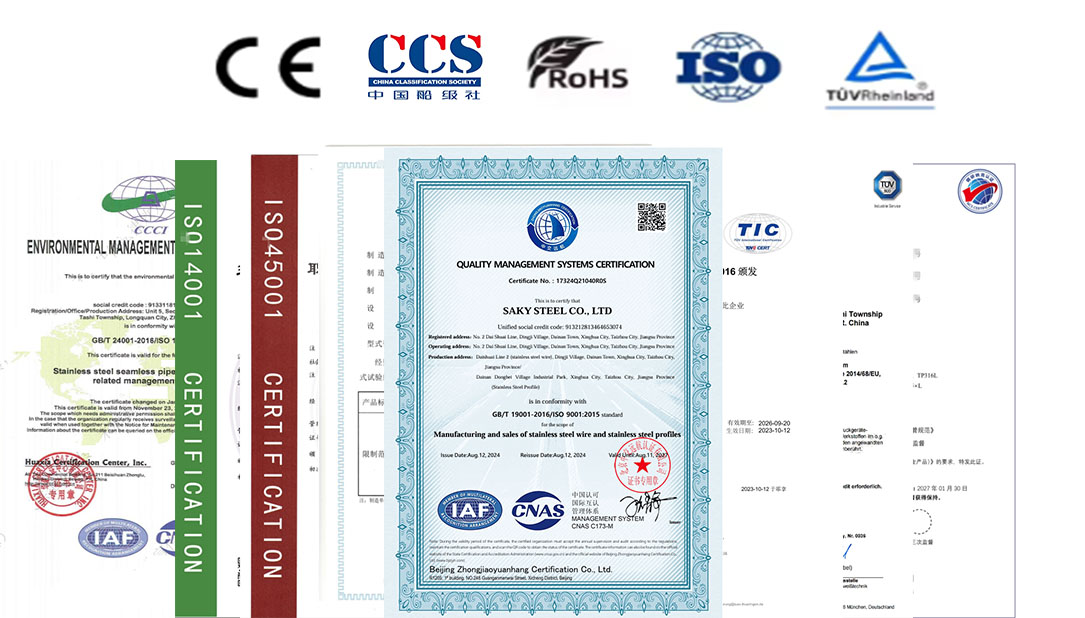
Services We Can Provide
Product Packaging
Fittings are capped or wrapped to protect clean ends, bevels, threads and machined faces. Items are separated by grade, size and heat/lot, then packed in reinforced cartons or export cases according to geometry and quantity.
Application Scenarios
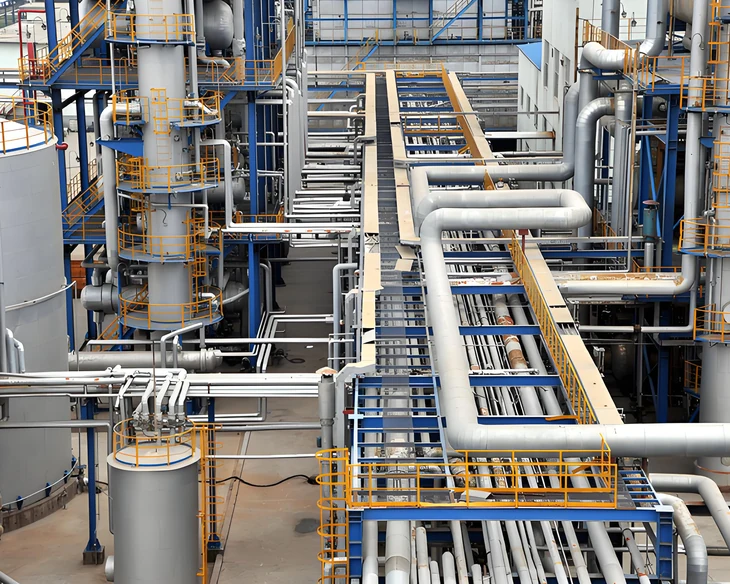
Chemical Processing
Corrosion-resistant piping for acids, chlorides and process media after grade compatibility review.

Power & Energy
Cooling-water, condenser and auxiliary piping requiring traceable titanium components.
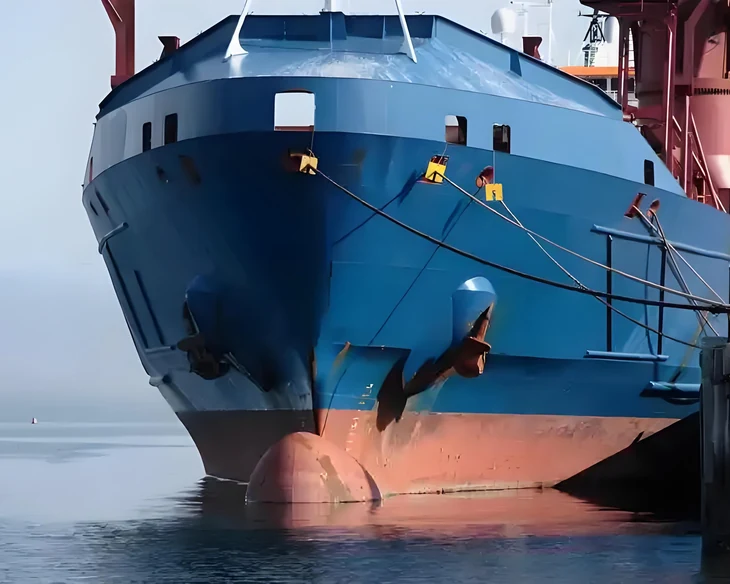
Marine & Desalination
Seawater and chloride-bearing piping systems designed for the selected titanium grade.
FAQ
How is a pipe bend different from an elbow?
A pipe bend often uses a larger or drawing-specific radius and includes controlled tangent lengths; an elbow commonly follows standard fitting dimensions.
What data is needed beyond bend angle?
Provide radius, OD or NPS, wall, tangents, end orientation, dimensional tolerances, forming limits and inspection.
Which post-bend checks matter?
Inspect wall thinning, ovality, wrinkles, angle, radius, tangents, end alignment, surface and required NDE.
Leave Your Message
Related Technical Guides
Titanium Butt Weld Fittings Purchasing Matrix
Compare geometry, size, wall, ends, route and inspection.
Read technical guideTitanium Fittings for Seawater Piping
Coordinate material, piping design, fabrication and inspection.
Read technical guideTitanium RFQ Checklist
Prepare complete purchasing data and documents.
Read technical guide