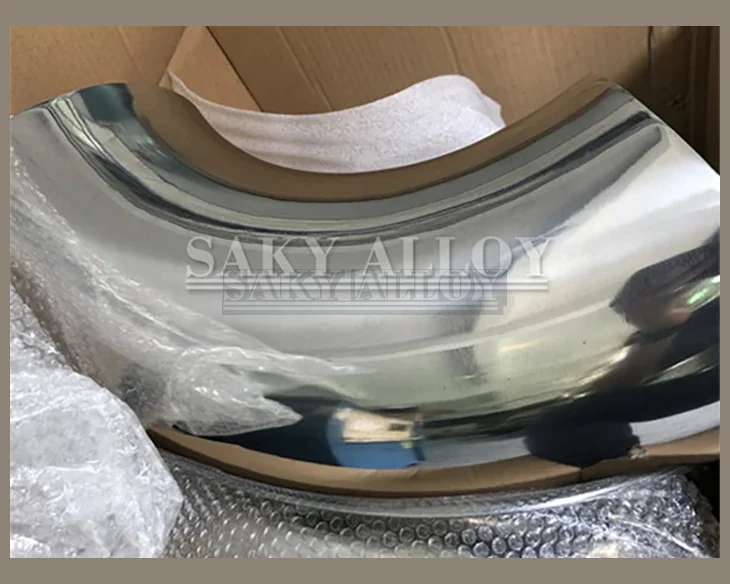
Titanium Reducing Tee
Titanium Reducing Tee supplied by titanium grade, outside diameter or NPS, wall thickness, end preparation, dimensional standard and inspection requirements for corrosion-resistant piping systems.
- Material
- Titanium Grade 2, Grade 7 or Grade 12 as specified
- Product Standard
- ASTM B363 / ASME SB363 where applicable
- Dimensions
- ASME B16.9, B16.11 or approved drawing
- Documents
- MTC, dimensions and heat/lot traceability
Product Detail
Product Introduction
A titanium reducing tee creates a smaller 90-degree branch from a larger straight run. The size sequence is essential because the run and branch are not interchangeable. Define grade, run NPS or OD, branch NPS or OD, wall or schedule at each end, center-to-end dimensions, transition geometry, weld ends, fabrication route and inspection.
Product Specifications
| Product | Titanium Reducing Tee | Material Options | Titanium Grade 2, Grade 7 or Grade 12 as specified |
|---|---|---|---|
| Forms | Equal tee or reducing tee | Typical Inquiry Range | NPS 1/2 to 24 typical standard inquiry range; branch and run sizes must be stated |
| Product Standard | ASTM B363 / ASME SB363 where applicable | Dimensional Basis | ASME B16.9, ASME B16.11 or approved drawing as applicable |
| Wall | Schedule or nominal wall thickness matched to the connected pipe and design | Ends | Butt-weld bevel or drawing-defined ends |
| Manufacturing | Seamless, welded, formed, forged, machined or fabricated as specified | Surface | Pickled, cleaned, machined or project-specific finish |
| Inspection | Visual, dimensions, wall, ends and specified NDT | Documents | MTC, heat/lot traceability and inspection report |
Typical ranges are quotation guidance, not a stock guarantee. Final availability and tolerances are confirmed against the complete RFQ and design code.
Selection and Configuration
- Run-by-branch size: Quote the fitting as run size by branch size and state wall or schedule independently for each connection.
- Branch transition: Confirm bore transition, crotch geometry and minimum wall in the formed or fabricated branch zone.
- Flow direction: Identify dividing or combining service, velocity, erosion risk and any orientation or drainage requirement.
Send the piping specification or drawing
Include grade, NPS or OD, wall/schedule, geometry, ends, quantity, tests and documents.
Chemical Composition
Weight percent; maximum unless a range is shown. Titanium is the balance. The ordered grade controls.
| Grade / UNS | Pd | Mo / Ni | Fe | O | C | N | H | Ti |
|---|---|---|---|---|---|---|---|---|
| Grade 2 / R50400 | — | — | 0.30 | 0.25 | 0.08 | 0.03 | 0.015 | Balance |
| Grade 7 / R52400 | 0.12–0.25 Pd | — | 0.30 | 0.25 | 0.08 | 0.03 | 0.015 | Balance |
| Grade 12 / R53400 | — | 0.20–0.40 Mo; 0.60–0.90 Ni | 0.30 | 0.25 | 0.08 | 0.03 | 0.015 | Balance |
Mechanical Properties – Annealed Source Material Reference
| Grade | Ultimate Tensile Strength min | 0.2% Yield Strength min | Elongation min |
|---|---|---|---|
| Grade 2 | 345 MPa (50 ksi) | 275 MPa (40 ksi) | 20% |
| Grade 7 | 345 MPa (50 ksi) | 275 MPa (40 ksi) | 20% |
| Grade 12 | 483 MPa (70 ksi) | 345 MPa (50 ksi) | 18% |
Representative wrought-source material minima. Fitting acceptance, heat treatment and test specimens must follow the ordered material/product specification and size.
Typical Physical Properties
| Grade | Density | Elastic Modulus | Thermal Conductivity | Thermal Expansion |
|---|---|---|---|---|
| Grade 2 | 4.51 g/cm³ | Approx. 105 GPa | Approx. 16.4 W/m·K | Approx. 8.6 µm/m·K |
| Grade 7 | Approx. 4.51 g/cm³ | Approx. 105 GPa | Approx. 16 W/m·K | Approx. 8.6 µm/m·K |
| Grade 12 | Approx. 4.54 g/cm³ | Approx. 103 GPa | Approx. 16 W/m·K | Approx. 8.6 µm/m·K |
Typical engineering references, not inspection acceptance limits.
Certificates & Inspection Records
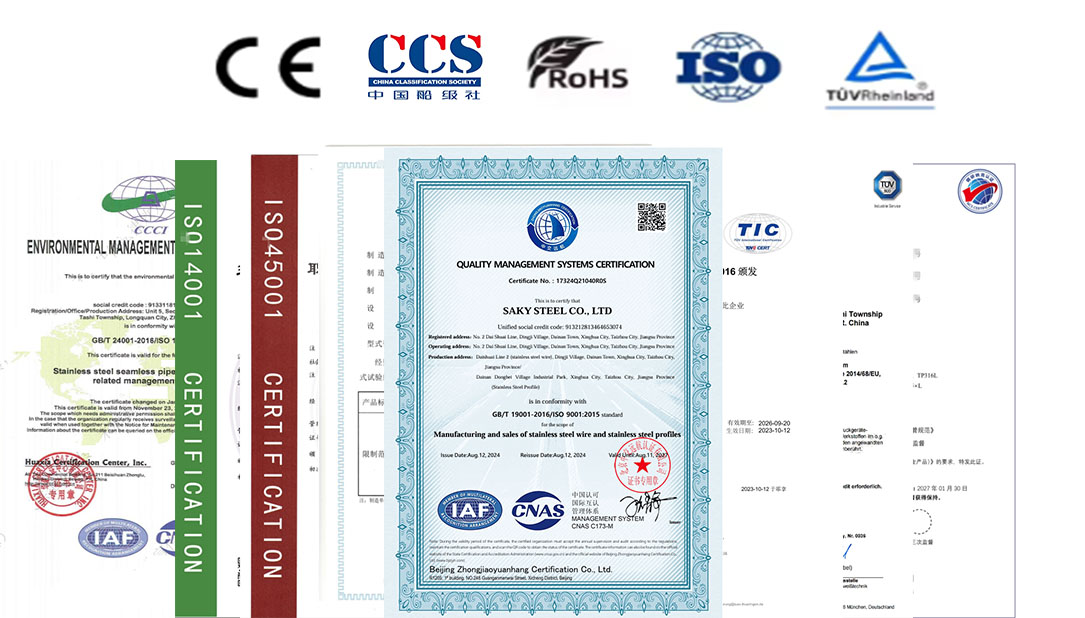
Services We Can Provide
Product Packaging
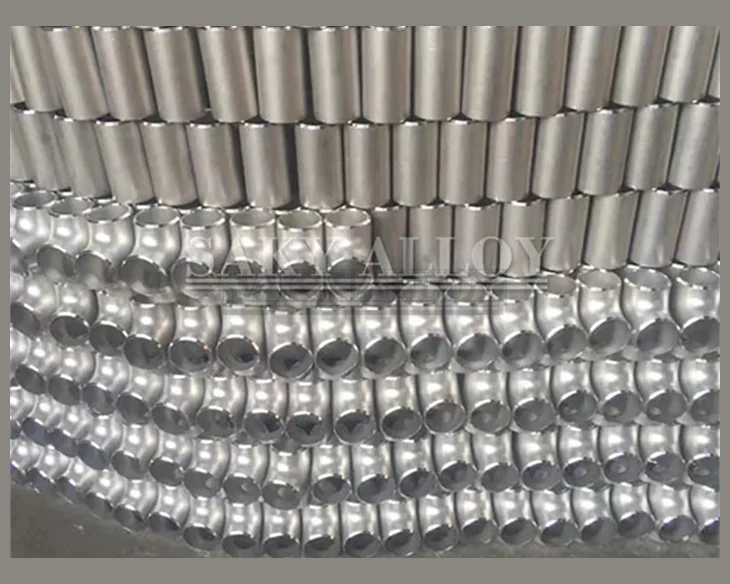
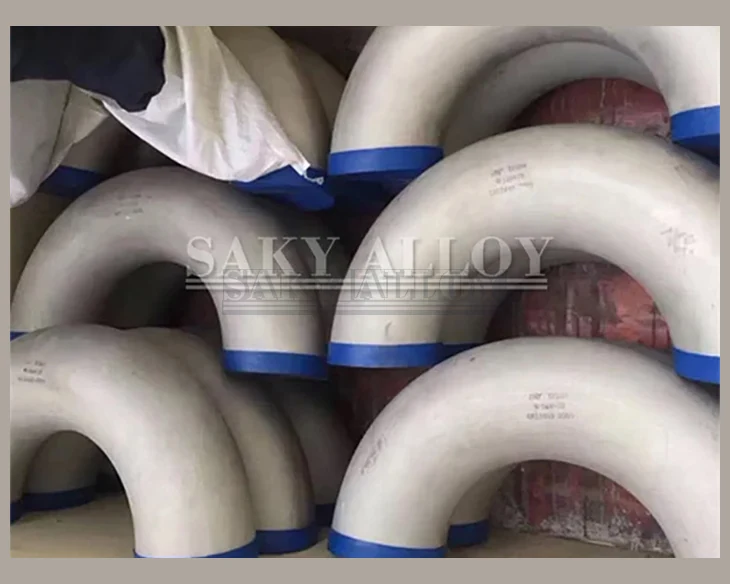
Fittings are capped or wrapped to protect clean ends, bevels, threads and machined faces. Items are separated by grade, size and heat/lot, then packed in reinforced cartons or export cases according to geometry and quantity.
Application Scenarios
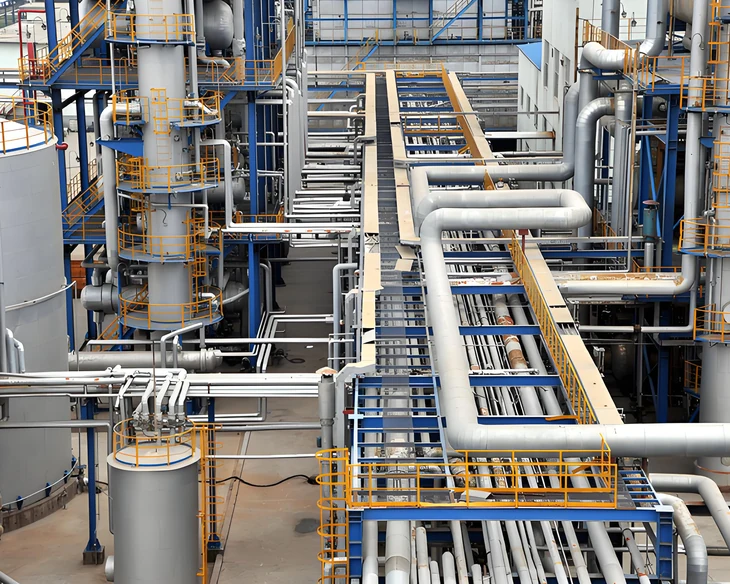
Chemical Processing
Corrosion-resistant piping for acids, chlorides and process media after grade compatibility review.

Power & Energy
Cooling-water, condenser and auxiliary piping requiring traceable titanium components.
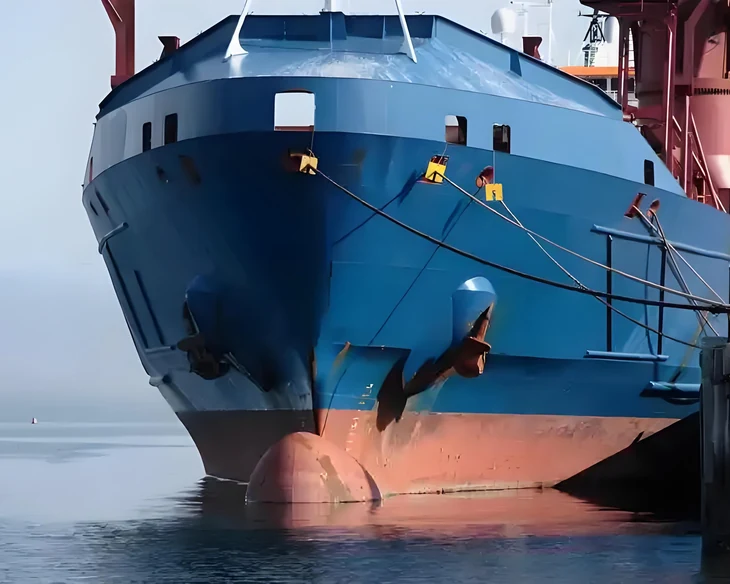
Marine & Desalination
Seawater and chloride-bearing piping systems designed for the selected titanium grade.
FAQ
How is a reducing tee sized?
State the straight run size first and the smaller branch size separately, together with wall or schedule at all ends.
Can a reducing tee be made by welding a branch to pipe?
A fabricated branch may be reviewed when the design code, reinforcement, welding, NDE and approved drawing permit it; it is not automatically equivalent to a standard formed tee.
What should be inspected around the branch?
Verify branch location, crotch profile, wall distribution, welds when present, center-to-end dimensions and specified surface or volumetric NDE.
Leave Your Message
Related Technical Guides
Titanium Butt Weld Fittings Purchasing Matrix
Compare geometry, size, wall, ends, route and inspection.
Read technical guideTitanium Fittings for Seawater Piping
Coordinate material, piping design, fabrication and inspection.
Read technical guideTitanium RFQ Checklist
Prepare complete purchasing data and documents.
Read technical guide