
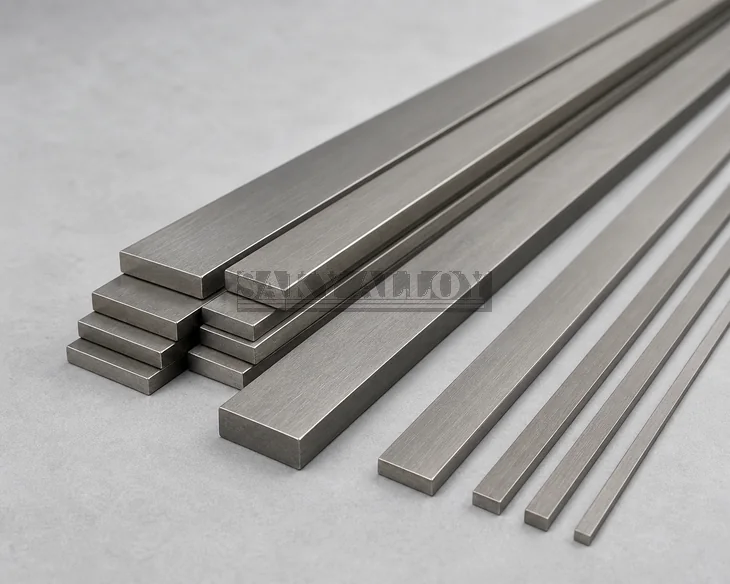
Grade 2 Titanium Flat Bar
Grade 2 Titanium Flat Bar supplied by shape, dimensions, length, condition, surface, tolerances, inspection and heat/lot traceability for machining and fabrication requirements.
- Material
- Titanium Grade 2 / UNS R50400
- Product Form
- Rectangular flat bar for corrosion-resistant fabricated and machined parts
- Standard
- ASTM B348/B348M when expressly ordered
- Documents
- MTC, heat/lot traceability and agreed inspection reports
Product Detail
Product Introduction
Grade 2 Titanium Flat Bar is purchased as near-shape machining stock. Define the alloy grade, governing specification and revision, shape and dimensions, condition, surface, length, tolerances, quantity, end use, inspection and documentation. The finished component design determines whether hexagonal, flat or round stock offers the best material yield and machining route.
Selection Priorities
Material grade
Grade 2 prioritizes commercially pure titanium corrosion performance and formability; Grade 5 Ti-6Al-4V is selected where higher strength is required.
Stock geometry
Thickness, width, edge condition, length, flatness and straightness by RFQ.
Quality plan
State chemistry and tensile certification, dimensional inspection, straightness or flatness, surface acceptance, ultrasonic examination when required and full heat/lot traceability.
Grade 2 fabrication boundary
Commercially pure Grade 2 emphasizes corrosion resistance, ductility and weldability. Final selection still depends on process chemistry, temperature, stress and fabrication procedure.
Product Specifications
| Product | Grade 2 Titanium Flat Bar | Grade | Titanium Grade 2 / UNS R50400 |
|---|---|---|---|
| Standard | ASTM B348/B348M covers titanium and titanium-alloy bars and billets, including Grade 2 and Grade 5. State the required revision and confirm that the ordered shape and dimensions fall within the supplier and specification scope; drawing tolerances and supplementary inspection must be listed separately. | Size & Form | Thickness, width, edge condition, length, flatness and straightness by RFQ |
| Tolerance | ASTM B348/B348M, approved drawing or order-defined dimensional, straightness, flatness, corner and edge tolerances | Supply Condition | Annealed or order-specific condition; descaled, pickled, ground, machined or protected surface as applicable |
| Inspection | MTC and heat/lot identity, chemistry and tensile results, across-flats or thickness and width, length, straightness or flatness, corner or edge condition, surface examination and any agreed ultrasonic or supplementary tests. | Documents | MTC, heat/lot traceability and agreed inspection reports |
Additional Supply & Ordering Details
Useful, technically consistent information consolidated from earlier product pages.
| How flat bar is dimensioned | Specify thickness and width separately, together with permissible variation, edge condition, corner radius, flatness, camber or straightness and cut length. Flat bar is not defined by an equivalent round diameter. |
|---|---|
| Why buyers select flat stock | Rectangular stock can reduce material removal for brackets, straps, wear plates, frames and rectangular machined parts while retaining traceable wrought titanium feedstock. |
| Manufacturing route to confirm | Rolled flat, sheared or saw-cut plate strip, forged stock and machined bar can have different edge condition, grain direction, thickness capability and inspection scope. State the acceptable route. |
| Inspection focus | Measure thickness and width, inspect longitudinal edge condition, flatness and camber, review surface damage, and maintain heat/lot traceability through cutting and packaging. |
| Grade 2 material behavior | Grade 2 / UNS R50400 is commercially pure titanium selected for corrosion resistance, ductility and weldability rather than the substantially higher strength of Ti-6Al-4V Grade 5. |
| Grade 2 service review | Provide process medium, concentration, temperature, contaminants, aeration, crevices and galvanic interfaces. Grade name alone does not establish corrosion suitability. |
| Grade 2 application fit | Common review areas include chemical-process, marine, desalination and corrosion-resistant valve or instrument parts where the design strength requirement fits Grade 2. |
Send the complete material RFQ
Include grade, specification revision, dimensions, tolerance, quantity, condition, tests and destination.
Chemical Composition
Weight percent; maximum unless a range is shown. Titanium is the balance. The ordered specification and grade control.
| Grade / UNS | Principal Alloying Elements | Fe max | O max | C max | N max | H max | Ti |
|---|---|---|---|---|---|---|---|
| Grade 2 / R50400 | — | 0.30 | 0.25 | 0.08 | 0.03 | 0.015 | Balance |
Mechanical Properties – Annealed Material Reference
| Grade | Ultimate Tensile Strength min | 0.2% Yield Strength min | Elongation min |
|---|---|---|---|
| Grade 2 | 345 MPa | 275 MPa | 20% |
Representative minima only. Product form, section size, heat treatment and the invoked specification determine the certified acceptance values.
Typical Physical Properties
| Grade | Density | Elastic Modulus | Thermal Expansion |
|---|---|---|---|
| Grade 2 | 4.51 g/cm³ | Approx. 105 GPa | Approx. 8.6 µm/m·K |
Typical engineering references, not inspection acceptance limits.
Certificates & Inspection Records
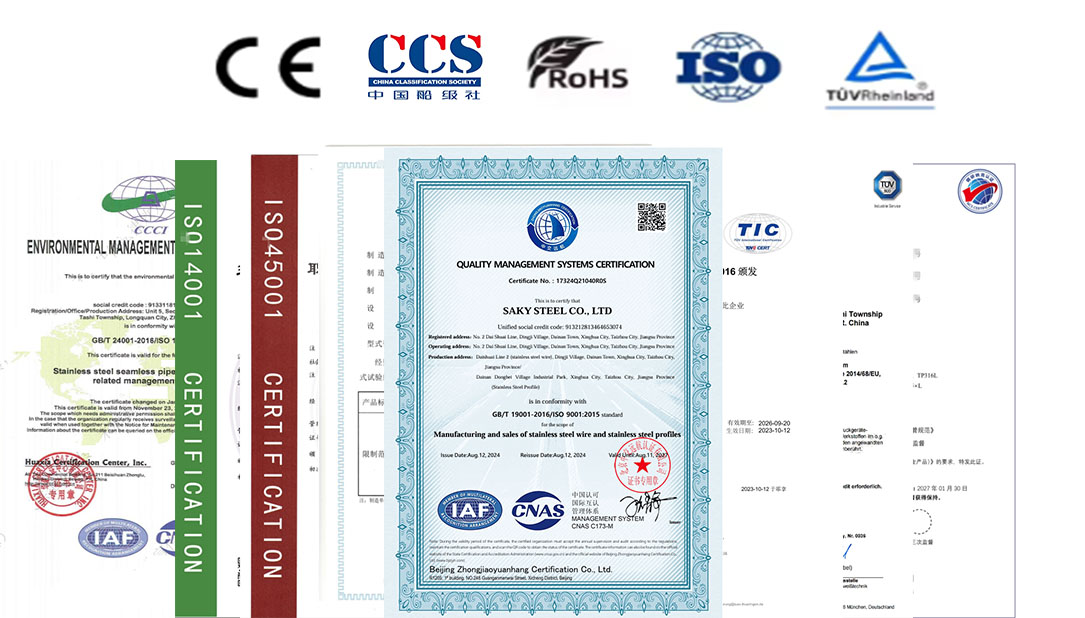
Services We Can Provide
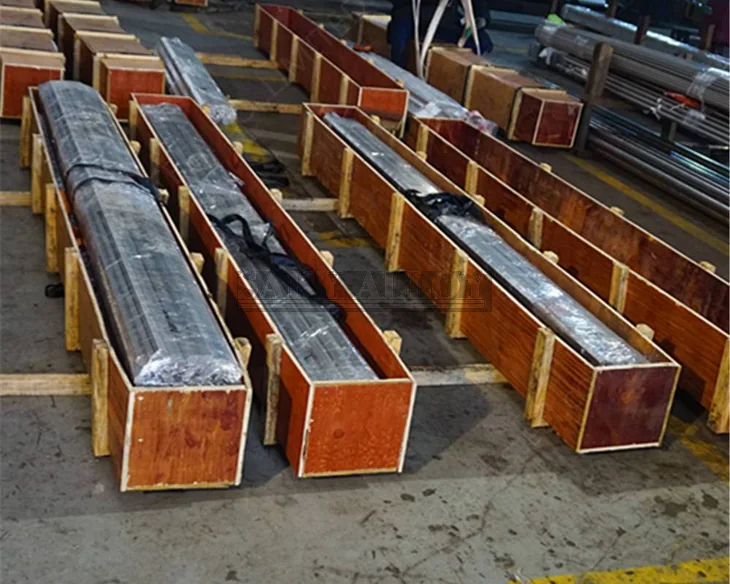
Product Packaging
Bars and rods are separated by grade and heat, protected against surface damage and secured in bundles or export cases with identification and traceability labels. Typical export packaging for the same physical product form is shown below; final packing is confirmed for each order.
Application Scenarios

Chemical-process brackets, straps and equipment supports
Material grade, dimensions, condition and inspection must be matched to the application requirements.

Marine frames, mounting plates and corrosion-resistant fabrications
Material grade, dimensions, condition and inspection must be matched to the application requirements.

Aerospace and high-performance rectangular machined components
Material grade, dimensions, condition and inspection must be matched to the application requirements.
FAQ
Is titanium flat bar the same as cut plate strip?
Not automatically. Rolled flat bar and strip cut from plate can differ in edge condition, grain direction, dimensional capability and certification route. State which manufacturing route is acceptable.
Which dimensions control a flat-bar quotation?
Provide thickness, width, length, edge condition, corner radius, flatness, camber or straightness, surface and all tolerances.
When is flat bar preferable to round or hex stock?
Flat stock is useful when the finished part is rectangular or strap-like and reducing machining removal is important. Select the starting shape from the finished drawing and required grain direction.
Leave Your Message
Related Technical Guides
Grade 2 vs Grade 5 Titanium Bars
Compare corrosion, strength and machining selection.
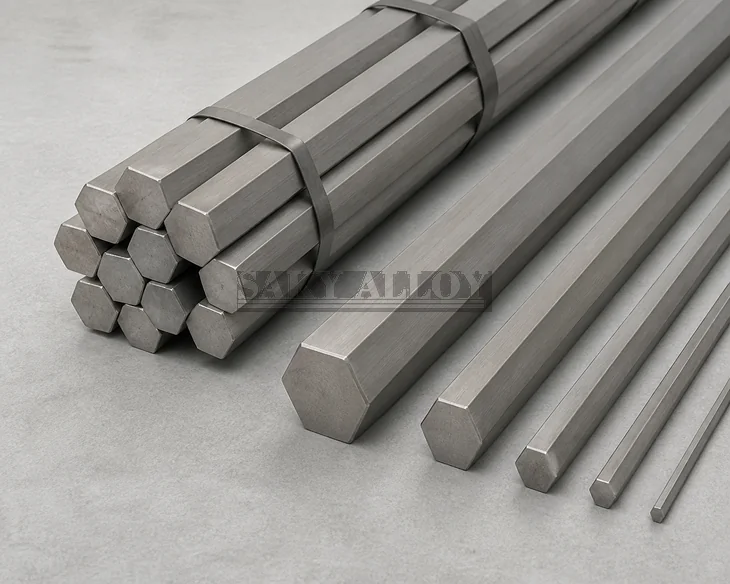
Read technical guideTitanium Hex Bar vs Round Bar vs Flat Bar
Select stock shape by finished geometry and machining allowance.
Read technical guideHow to Specify Titanium Hex and Flat Bar
Prepare dimensions, tolerances, condition and inspection for an RFQ.
Read technical guide