
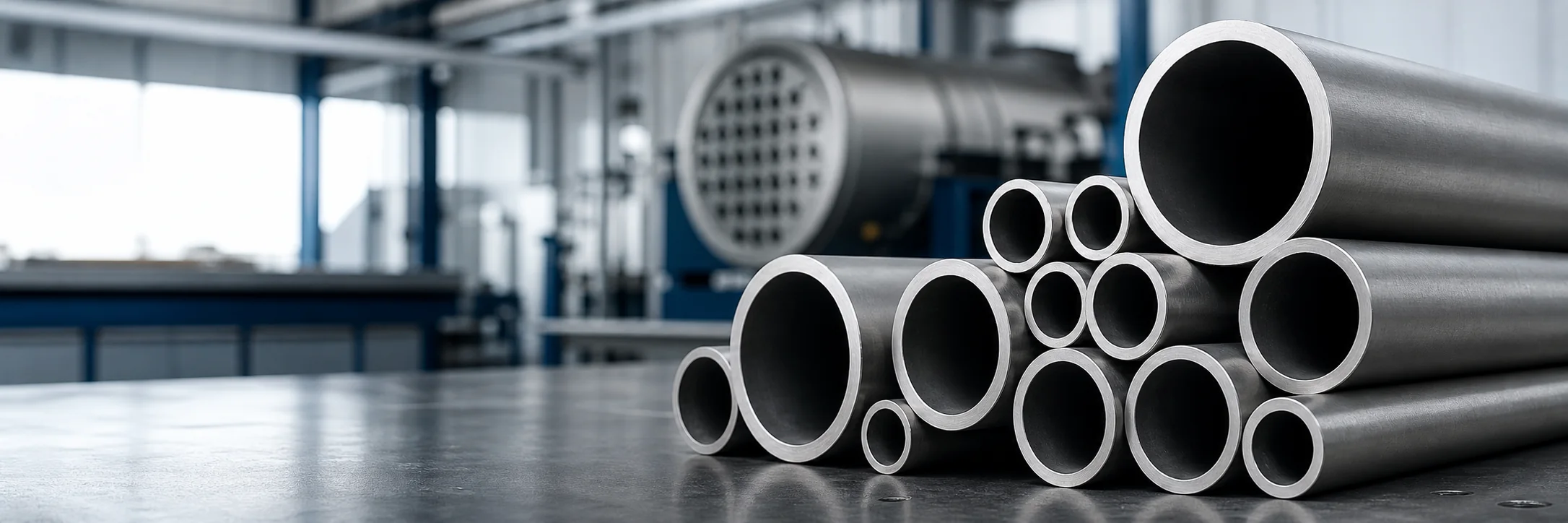
Repairing and Replacing Damaged Titanium Pipe
Titanium pipe systems are renowned for their exceptional strength, corrosion resistance, and longevity. These properties make them a preferred choice in industries such as aerospace, chemical processing, marine engineering, and power generation. However, even the most durable materials can suffer damage due to operational stress, environmental factors, or accidental impacts. When this happens, repairing and replacing damaged titanium pipe becomes essential to maintain system integrity and safety.
In this article, we’ll explore the causes of titanium pipe damage, how to assess damage, best practices for repair and replacement, and the role of reliable suppliers like sasaaluminum in ensuring long-term system performance.
Why Titanium Pipes May Need Repair or Replacement
Although titanium is highly resilient, several factors can contribute to pipe damage:
1. Mechanical Damage
-
Impacts during transportation, installation, or maintenance.
-
Vibration fatigue in high-dynamic environments.
-
Overloading or improper support causing deformation.
2. Corrosion or Erosion
-
Localized corrosion in aggressive chemical environments, especially if the protective oxide layer is compromised.
-
Erosion from high-velocity fluids carrying abrasive particles.
3. Welding or Joint Failures
-
Cracking at weld seams due to improper welding techniques or thermal cycling.
-
Galvanic corrosion at joints with dissimilar metals if isolation measures fail.
4. Stress and Fatigue Cracking
-
Long-term cyclic loading can lead to fatigue cracks, particularly in thin-walled pipes or in systems subject to pressure fluctuations.
Assessing Damage in Titanium Pipe Systems
Before determining whether to repair or replace, a thorough assessment is essential:
-
Visual inspection: Identify dents, cracks, deformation, and corrosion signs.
-
Non-destructive testing (NDT): Techniques such as dye penetrant inspection, ultrasonic testing, or radiography help detect hidden flaws.
-
Pressure testing: May be used to confirm system integrity after visible or suspected damage.
Accurate assessment ensures that repairs are targeted and effective, or that replacement is chosen when repair is not viable.
Best Practices for Repairing Titanium Pipe
1. Surface Preparation
-
Clean the damaged area thoroughly to remove oxides, contaminants, or corrosion products.
-
Use non-metallic brushes or dedicated titanium tools to avoid introducing foreign particles.
2. Welding Repairs
Titanium pipes can often be repaired by TIG (GTAW) welding, provided:
-
The environment is controlled (clean room or enclosed chamber for shielding gas protection).
-
High-purity argon is used for shielding, with trailing shields and internal purge gas as required.
-
Welders are qualified for titanium welding to avoid introducing defects.
Weld repairs should be inspected using NDT methods before returning the system to service.
3. Cladding or Sleeving
For minor damage where cutting out and rewelding are impractical:
-
Titanium sleeves or clamps can be installed over the damaged section.
-
These solutions are typically temporary and require engineering approval.
4. Composite Patches
In some low-pressure applications, composite patches may be applied, but this is rare for titanium pipes due to the material’s high value and critical applications.
When Replacement Is the Best Option
In some cases, replacing the damaged section or entire pipe is the safest and most cost-effective choice:
-
Severe cracking or deformation beyond acceptable limits.
-
Extensive corrosion or erosion that compromises wall thickness.
-
Fatigue damage that could lead to catastrophic failure.
-
Non-repairable weld defects that fail inspection after attempted repair.
Replacement ensures full restoration of system integrity and compliance with relevant codes.
Steps for Replacing Damaged Titanium Pipe
1. Plan the Replacement
-
Identify the damaged section and determine the length and type of replacement pipe required.
-
Source pipe that matches the original material grade, size, and specifications.
2. Source Certified Material
Partner with reliable suppliers like sasaaluminum to obtain:
-
Titanium pipe with certified chemical composition and mechanical properties.
-
Traceable documentation for regulatory compliance.
-
Compatible fittings and welding consumables.
3. Remove the Damaged Section
-
Cut the damaged pipe cleanly, ensuring square edges for welding.
-
Protect the system from contamination during the process.
4. Install the Replacement Pipe
-
Align the replacement pipe accurately to avoid stress concentrations.
-
Weld using controlled procedures with proper gas shielding and purge techniques.
-
Inspect all welds via NDT to confirm integrity.
5. Pressure Test and Commission
-
Perform hydrostatic or pneumatic testing as appropriate to verify leak-tightness and strength.
-
Document all test results for quality records.
Challenges in Repairing and Replacing Titanium Pipes
-
Welding requirements: Titanium’s reactivity demands clean environments and skilled welders.
-
Material cost: Titanium is expensive, so accurate damage assessment is vital to avoid unnecessary replacement.
-
Lead times: Titanium pipes are specialized products — advance planning and sourcing from trusted suppliers like sasaaluminum helps minimize delays.
The Role of a Trusted Supplier
Successful repair and replacement of titanium pipes depend on material quality and support:
-
sasaaluminum provides certified titanium pipe that meets international standards (ASTM B861, B862, etc.).
-
They offer technical guidance on material selection, welding procedures, and installation best practices.
-
Full traceability ensures that repairs and replacements comply with regulatory and customer requirements.
Preventing Future Damage
Once repairs or replacements are complete, implement measures to reduce the risk of recurrence:
-
Ensure proper support and alignment of piping systems to minimize stress.
-
Use isolation techniques to prevent galvanic corrosion at joints.
-
Implement regular inspection and maintenance schedules.
-
Train personnel in proper handling and maintenance of titanium systems.
Conclusion
Repairing and replacing damaged titanium pipe is a critical process that ensures the continued safety, reliability, and efficiency of high-performance piping systems. Whether the damage is due to mechanical impact, corrosion, or fatigue, the right approach — combining skilled assessment, proper techniques, and high-quality materials — restores system integrity.
By sourcing from experienced suppliers like sasaaluminum, operators can be confident in the materials and support they receive, helping them maintain titanium pipe systems that perform flawlessly even in the most challenging environments.