
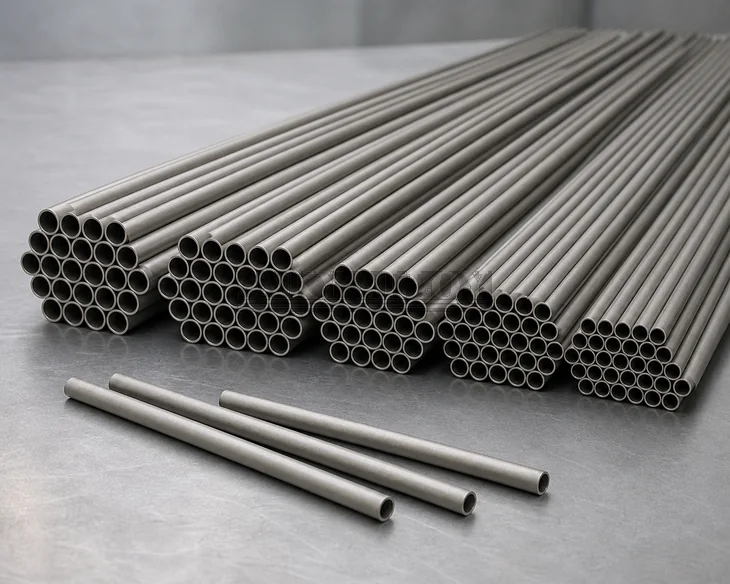
Titanium Heat Exchanger Tube
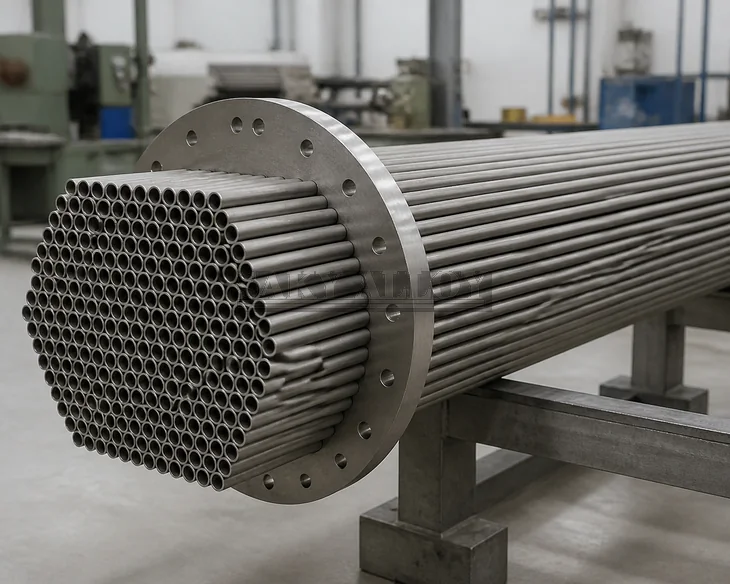
Titanium heat exchanger tube supplied by grade, ASTM B338 or project specification, OD, wall, length, tube-end condition, testing and traceability requirements.
- Grades
- Grade 2, Grade 7, Grade 12 or specified grade
- Standard
- ASTM B338 / ASME SB338 as applicable
- Form
- Seamless or welded round tube
- Inspection
- MTC, dimensions and specified NDT or pressure test
Product Detail
Product Introduction
Titanium heat exchanger tube is selected for corrosive process fluids and cooling media where tube material, wall thickness, cleanliness, fabrication route and inspection must match the exchanger design. Supply is reviewed against the project datasheet rather than assumed from alloy grade alone.
Product Specifications
| Product | Titanium Heat Exchanger Tube | Grade | Titanium Grade 2, Grade 7 or Grade 12 |
|---|---|---|---|
| Standard | ASTM B338 / ASME SB338 commonly covers seamless and welded titanium-alloy tubes intended for condensers and heat exchangers. Project, code and equipment datasheet requirements control grade, dimensions, fabrication and supplementary tests. | Size & Form | Round seamless or welded exchanger tube; OD, wall thickness, length and tube-end preparation by RFQ |
| Tolerance | ASTM B338 / ASME SB338 or project-defined OD, wall, length, straightness and end tolerances | Supply Condition | Straight lengths, clean and capped, with end protection and bundle or export-case packing |
| Inspection | MTC review, OD and wall measurement, length and straightness, surface and bore cleanliness, tube-end inspection, heat treatment records where applicable, specified NDT or pressure testing and heat/lot traceability. | Documents | MTC, heat/lot traceability and agreed inspection reports |
Send the complete material RFQ
Include grade, specification revision, dimensions, tolerance, quantity, condition, tests and destination.
Chemical Composition
Weight percent; maximum unless a range is shown. Titanium is the balance. The ordered specification and grade control.
| Grade / UNS | Principal Alloying Elements | Fe max | O max | C max | N max | H max | Ti |
|---|---|---|---|---|---|---|---|
| Grade 2 / R50400 | — | 0.30 | 0.25 | 0.08 | 0.03 | 0.015 | Balance |
| Grade 7 / R52400 | Pd 0.12–0.25 | 0.30 | 0.25 | 0.08 | 0.03 | 0.015 | Balance |
| Grade 12 / R53400 | Mo 0.20–0.40; Ni 0.60–0.90 | 0.30 | 0.25 | 0.08 | 0.03 | 0.015 | Balance |
Mechanical Properties – Annealed Material Reference
| Grade | Ultimate Tensile Strength min | 0.2% Yield Strength min | Elongation min |
|---|---|---|---|
| Grade 2 | 345 MPa | 275 MPa | 20% |
| Grade 7 | 345 MPa | 275 MPa | 20% |
| Grade 12 | 483 MPa | 345 MPa | 18% |
Representative minima only. Product form, section size, heat treatment and the invoked specification determine the certified acceptance values.
Typical Physical Properties
| Grade | Density | Elastic Modulus | Thermal Expansion |
|---|---|---|---|
| Grade 2 | 4.51 g/cm³ | Approx. 105 GPa | Approx. 8.6 µm/m·K |
| Grade 7 | Approx. 4.51 g/cm³ | Approx. 105 GPa | Approx. 8.6 µm/m·K |
| Grade 12 | Approx. 4.54 g/cm³ | Approx. 103 GPa | Approx. 8.6 µm/m·K |
Typical engineering references, not inspection acceptance limits.
Certificates & Inspection Records
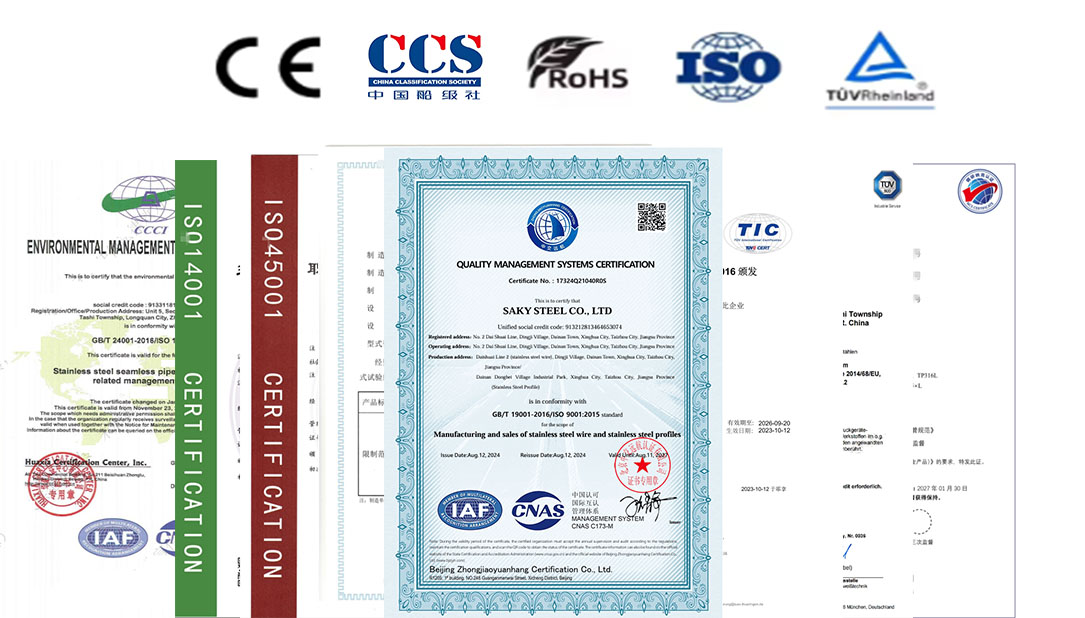
Services We Can Provide
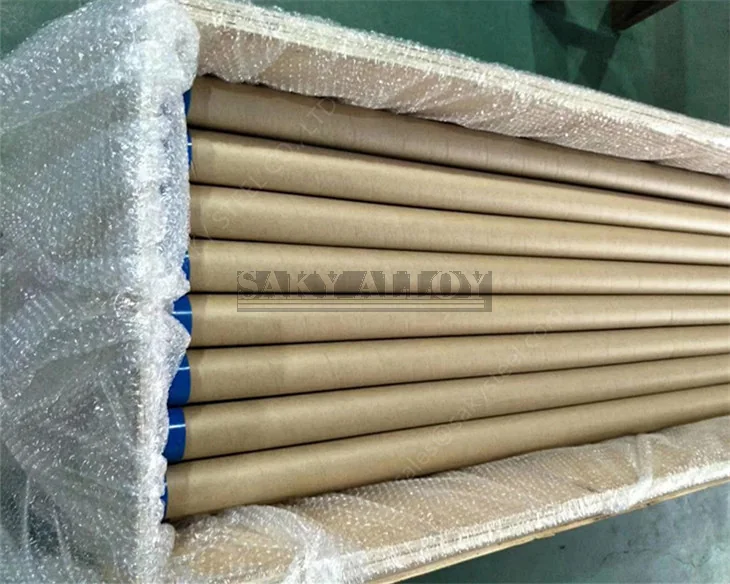
Product Packaging
Pipe and tube ends are capped, surfaces are wrapped where required, and bundles or export cases are identified by grade, size, heat and quantity. Typical export packaging for the same physical product form is shown below; final packing is confirmed for each order.
Application Scenarios
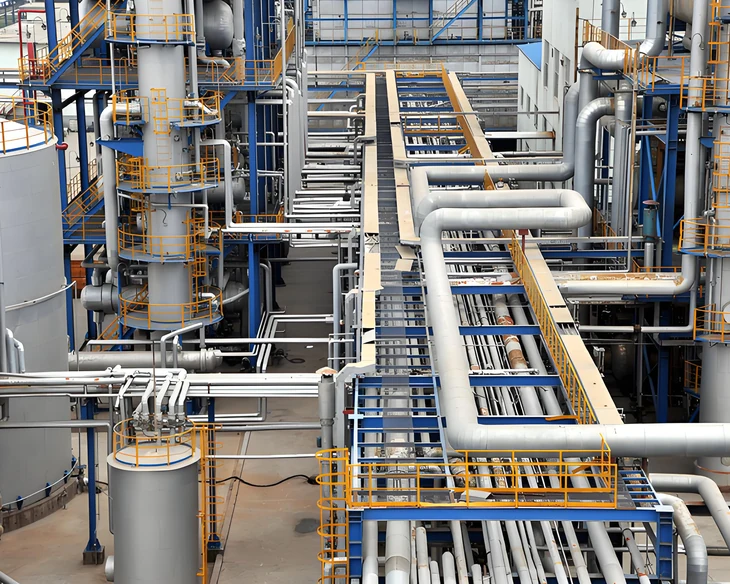
Shell-and-tube heat exchangers
Material grade, dimensions, condition and inspection must be matched to the application requirements.

Chemical and desalination process equipment
Material grade, dimensions, condition and inspection must be matched to the application requirements.
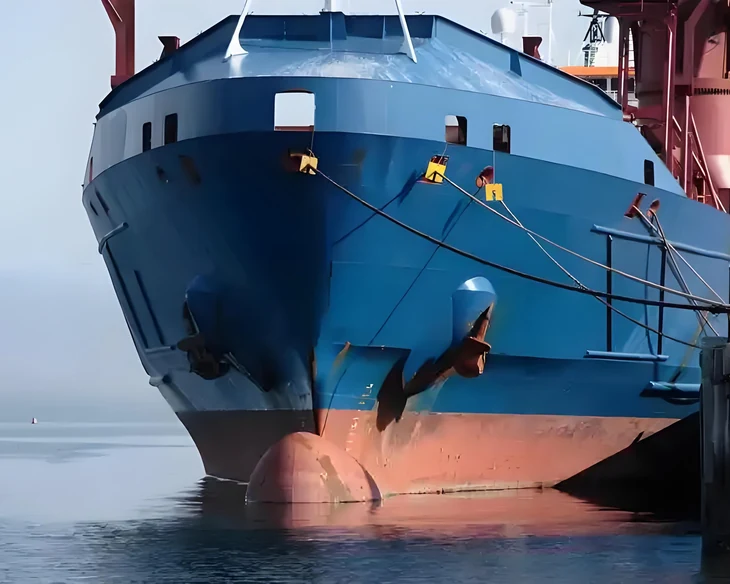
Marine and industrial cooling systems
Material grade, dimensions, condition and inspection must be matched to the application requirements.
FAQ
Which titanium grade is used for heat exchanger tubes?
Grade selection depends on medium, temperature, pressure and corrosion conditions. Grade 2 is common, while Grade 7 or Grade 12 may be considered for more demanding qualified service.
Are seamless and welded tubes both available?
Both may be supplied when permitted by the applicable specification and project datasheet. The order must state the accepted manufacturing route.
What testing should an RFQ define?
State required dimensional inspection, eddy-current or ultrasonic testing, hydrostatic or pneumatic testing and any flattening, flaring or cleanliness acceptance.
Leave Your Message
Related Technical Guides
ASTM B338 Tube RFQ Checklist
Prepare a traceable heat-exchanger tube inquiry.
Read technical guideTitanium Heat Exchanger Tube vs Condenser Tube
Compare service data, dimensions and inspection requirements.
Read technical guideTitanium RFQ Checklist
Prepare grade, dimensions, tests and documents.
Read technical guideTitanium Pipe vs Tube
Understand dimensional and application differences.
Read technical guide